
Why Structure in Recovery Is Essential for Lasting Sobriety
So what actually keeps recovery going once motivation runs out?
At the end of the day, routine is what keeps you grounded. Slip-ups rarely happen out of the blue; they creep in quietly when your days lose structure, boredom sets in, sleep gets disrupted, or healthy routines fall apart. Little slips like these tend to pile up over time, and honestly, it’s kind of scary how easily they can pull you back toward old, destructive habits before you even notice it happening.
When everything feels upside down, a solid daily recovery routine gives you a real anchor. It helps you build better habits, keeps your head clear, takes the pressure off, and makes staying sober a whole lot easier to manage day after day.
At Rhode Island Addiction Treatment Center, we realize structure in recovery goes way deeper than just putting down the drink or drug. We’ve seen real results when people use proven treatments, practical tools to stay sober, and ongoing support, because that’s what really builds lasting recovery habits.
In this post, we’re walking you through why a structure in recovery matters when you’re staying sober, how it protects you from relapse, and how to design a schedule that actually works for your life.
Why Does Structure Help Mental Health During Recovery?
Does a daily structure really help mental health?
It really does. In recovery, your brain is actively learning how to function without substances while learning healthier ways to handle daily stress and heavy emotions. Maintaining a schedule reduces everyday decision-making, reduces stress, and frees up more mental energy for actual healing.
Structure Reduces Uncertainty
Your brain performs better when it’s got solid structure. Stress and anxiety pile up fast when your days feel all over the place or just unpredictable. But a routine cuts the stress because you know what’s coming next.
Healthy Routines Build Emotional Stability
Eating well, getting enough sleep, exercising, and attending therapy actually change how you feel. When you make these part of your recovery structure, getting through difficult days becomes easier over time, and staying okay just feels normal after a while.
Daily Accomplishments Build Confidence
Even small stuff really matters when you actually do it. Make breakfast, show up for counseling, or take a walk – these may not seem like much at first, but those small wins build real confidence over time. Bit by bit, routine rewalks replace the mess addiction made, and you end up with something better: knowing you can trust yourself, feeling stable, and dealing with things better.
How Can You Build Structure in Recovery Without Feeling Overwhelmed?
People often think they need a hyper-complicated, perfectly color-coded daily planner to actually succeed. You really don’t. The most effective structure in recovery starts simple: just a handful of basic habits that you can stick to every day
Start With Mornings
Your morning pretty much decides how the rest of your day is going to go. A basic structure in recovery might look like this:
- Waking up at the same time
- Drinking a glass of water
- Eating breakfast
- Taking your medications
- Five minutes of journaling or just breathing
These habits get you feeling stable before stress even hits.
Focus On One Habit At A Time
Trying to overhaul your entire life overnight is a fast track to burnout. You’re much better off introducing just one new healthy habit every week or two. Small, steady shifts are far easier to hang onto for the long haul.
Schedule Recovery Before Everything Else
Counseling, therapy, support groups, and self-care aren’t just nice-to-haves; they’re the real must-dos here. Treat them like non-negotiables, and you’ll stay on track much better, protecting all the hard work and the real progress you’ve already earned.
Leave Room For Flexibility
Life gets unpredictable, and some days just won’t go according to plan. Skip a workout or sleep in once in a while; it doesn’t wipe out the work you’ve already done. Structure in recovery isn’t about being perfect. It’s about building a routine that keeps you steady, even when life gets messy and pushes you around.
How Does Structure in Recovery Improve Mental Health?
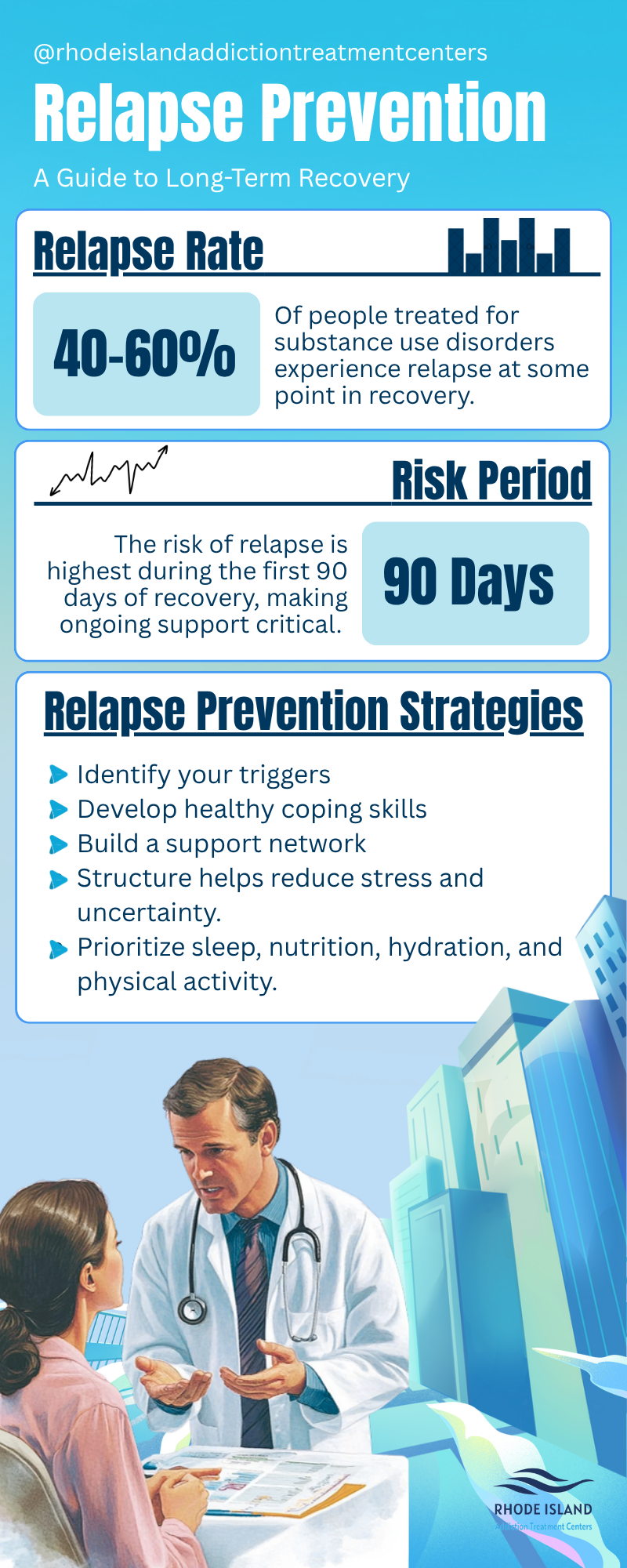
Addiction and mental health often influence one another. Most people starting recovery deal with anxiety, depression, past trauma, or stress that just won’t quit. That’s why a solid structure in recovery matters so much. A routine naturally takes the edge off anxiety. Over time, sticking to a schedule helps you feel steadier and more ready for what comes next.
Healthy Habits Support Emotional Stability
Eating breakfast, moving your body, taking your meds on time, and just breathing for a few minutes don’t really sound like much. When you stick with them, those small choices build on each other to bring real balance into your life.
Over time, most people start seeing genuine, noticeable improvements, like the following:
- Better moods that stick around
- Real, deep sleep
- Sharper thinking
- Feeling better about yourself
- Stress that doesn’t take you down
- The ability to bounce back
These transformations don’t happen in an instant, but showing up consistently even in tiny ways gradually builds a far healthier, more stable life.
Recovery Becomes a Lifestyle
Over time, recovery stops feeling like a gruelling task you have to consciously force yourself through every single morning. It just becomes who you are. That’s the real power of a consistent structure in recovery; it turns positive choices into second nature, making long-term sobriety feel less like a struggle and more like a normal, sustainable way of life.
Final Words!
Motivation gets you started, but structure in recovery is what actually keeps you sober. A steady daily routine takes all the heavy guesswork out of your head, lowers your stress, locks in good habits, and puts up a real defense against relapse. When it’s all said and done, those small, unremarkable actions you take every day are what stack up to create permanent change.
You don’t need a flawless schedule to make this work; you just need practical habits that take care of your mind, your emotions, and your body.
When you stick with it, that routine becomes the foundation for staying sober long-term.
At Rhode Island Addiction Treatment Center, we help you build lasting recovery through personalized treatment, relapse prevention strategies, and ongoing support.
Ready to start building a real recovery right now? Reach out to Rhode Island Addiction Treatment Center today; we’re here to help you build the solid routine, support, and habits you actually need to stay sober for good.