
Creating a Daily Recovery Routine for Mental Health: 10 Habits That Make Healing Easier
If you find yourself stuck right now, please know you aren’t lazy, and you aren’t failing. You are trying to move while operating on an empty tank, and just making it through the morning is a massive victory.
When you’re this exhausted, trying to fix everything at once is impossible.
Real healing doesn’t follow a straight line, and it definitely doesn’t happen overnight. But a simple daily rhythm, waking up around the same time, eating meals that actually nourish you, moving your body, and carving out a few quiet minutes just for yourself, can give your brain the stability it needs to start repairing.
These small habits aren’t a substitute for professional care. But they build the foundation that makes real recovery possible. And every healthy choice you make, even the small ones, is still a step in the right direction.
If you’re in a Rhode Island addiction treatment centre and need a little extra support, remember you don’t have to build these habits alone. With the right guidance and compassionate mental health care, creating a sustainable recovery routine is completely within reach.
In this guide, we are going to break down 10 simple habits that make mental health recovery feel a lot more manageable and explore how building a steady routine can create real, lasting change.
Why Is a Daily Routine Important for Mental Health Recovery?
If you spend any time on mental health forums, you’ll see the same question over and over: Why should I bother building a routine when I barely have the energy to brush my teeth?
It’s a completely valid frustration. But there is a real biological reason behind the advice. When you’re struggling, your brain gets stuck in survival mode, treating every tiny choice – of what to eat or when to shower – as a massive emergency.
A regular recovery routine gives you something steady to hold onto. It cuts down on decision fatigue, saves your mental energy for actual healing, and makes everyday tasks feel a little more predictable, which takes some of the pressure off.
Overcoming the “Bed Rotting” Cycle
Without some kind of plan for the day, it’s easy to end up stuck in bed, scrolling your phone for hours, avoiding everything you’re supposed to be doing, which people online now call “bed rotting.” Rest matters; real rest does.
But too much time alone with your thoughts can actually make anxiety and depression worse, not better. A consistent routine helps pull you back into daily life, one small habit at a time, and slowly gives you back a sense of purpose.
10 Habits That Make Your Recovery Routine More Effective
1. Start Your Day at the Same Time
Waking up at the same time every day – even on weekends – is one of the absolute easiest ways to build a daily routine that actually sticks.
This one small shift anchors your body’s natural rhythm, helping you sleep more deeply, keep your energy steady, and balance your mood.
It also gives your day some shape, so it’s easier to stay motivated, handle stress, and keep up with the habits that actually help you recover.
2. Move Your Body Every Day
A quick walk, a stretch, or a bit of yoga – gentle movement like this releases endorphins, which lift your mood and quiet your mind.
It’s a simple way to feel less stressed, sleep better, and keep your recovery moving forward.
3. Eat Balanced Meals
Your brain needs the right fuel to actually work.
As you rebuild your recovery routine, focus on eating balanced meals, and easing up on sugar and caffeine can go a long way toward keeping your energy steady and your mood from swinging around.
4. Practice Deep Breathing
Just set aside five to ten minutes each day to meditate, pray, sit quietly, and take deep breaths. Those brief moments calm a racing mind, take the heavy edge off stress, and help you keep your emotional balance.
That’s why it’s such a simple but essential part of your daily recovery routine.
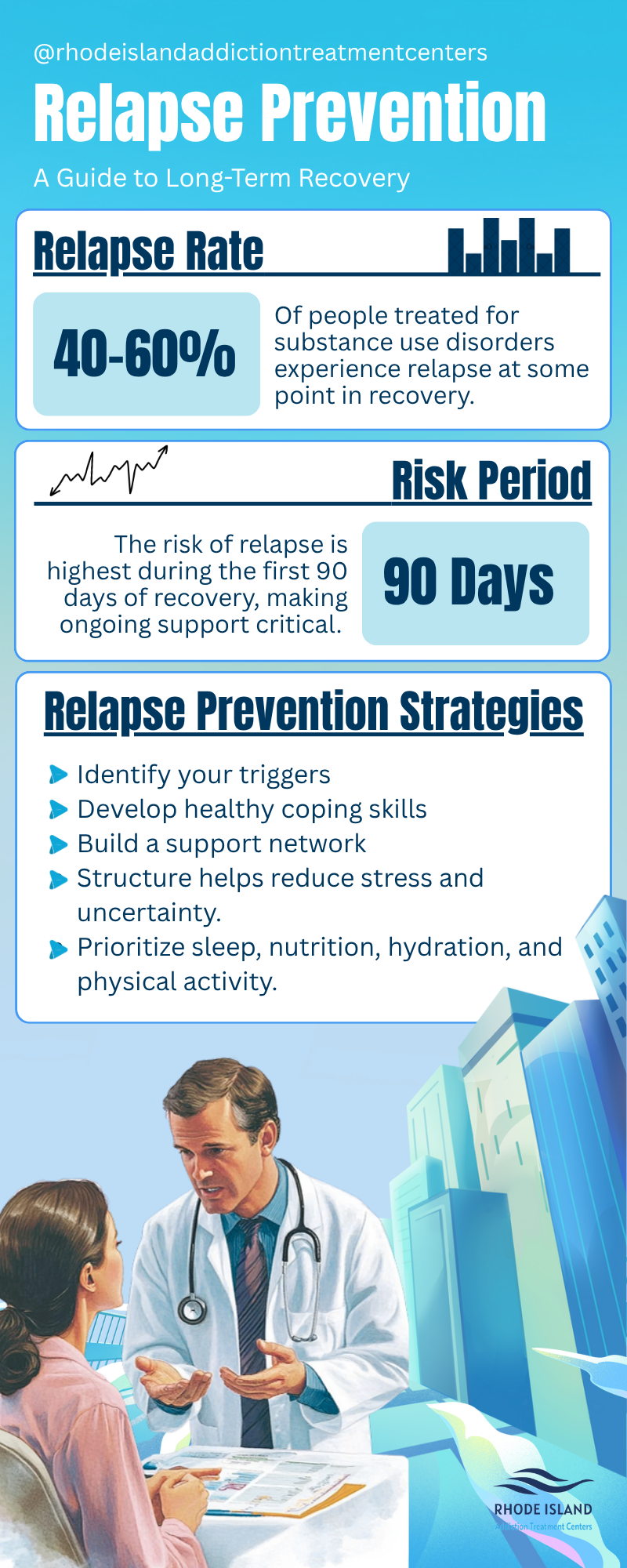
5. Get Enough Quality Sleep
Sleep is one of the healthy coping skills in the healing puzzle.
Aim for 7 to 9 hours a night, and try to keep your bedtime consistent because it gives your brain the chance to actually recharge and makes everything else in your recovery routine work better.
6. Spend Time Outdoors
A little fresh air and natural sunlight can completely shift your energy, helping reduce stress and setting you up for a better night’s sleep.
You don’t need a big fitness plan; just a walk around the block can help reset your nervous system. It’s one of the simplest ways to clear your head and give your recovery routine a little momentum.
7. Reach Out for Support
Healing feels a lot easier when you’re not doing it alone.
Try weaving small moments of connection into your day, a text to a friend, a call to a family member, or an honest conversation with your therapist.
8. Journal Your Thoughts
Getting your thoughts out of your head and onto paper, whether it’s a small win, a hard moment, or something you’re grateful for, helps untangle feelings.
Over time, journaling builds real self-awareness, and that makes the whole recovery process feel more grounded and intentional.
9. Limit Screen Time
Scrolling has a way of quietly fueling anxiety and unhealthy comparison, even when you don’t notice it happening.
Stepping back from your feed isn’t about restriction; it’s about giving your mind the quiet it actually needs to heal.
10. Relax Before Bed
Instead of collapsing straight into bed, give yourself a few minutes to do something calming first. reading, doing a light stretch, or listening to soft music.
It’s a small signal to your brain that the day’s winding down, which makes it easier to actually fall asleep and wake up feeling rested instead of groggy.
Bonus Tip! You don’t need to tackle all ten habits at once. Build your recovery regimen gradually over time, starting with simply one or two that are doable. Small, consistent improvements can lead to meaningful long-term progress in your mental health recovery. |
Final Words
A daily recovery routine isn’t about overhauling your life overnight. It’s about showing up for the small stuff, again and again, until it starts to add up to more resilience, better mental health, and real healing over time.
If you’re in Rhode Island and looking for extra support, our team is here to help you build a path toward recovery that actually fits your life. Reach out today to learn more about our mental health treatment programs.