
Individual Therapy vs Group Therapy for Addiction: Which is Right for You?
“Recovery grows in two directions: inward through honest reflection and outward through human connection.”
The individual vs group therapy addiction question doesn’t have one winner. Individual sessions may suit private trauma or complex mental health symptoms. Group care may help when isolation keeps recovery stuck. Many people benefit from both.
In 2024, 31.7 million adults reported a past alcohol or drug problem. Among them, 23.5 million considered themselves in recovery.
At Rhode Island Addiction Treatment Centers, we help you match therapy with your safety and recovery goals. This guide compares privacy, peer support, research, and combined care.
What Individual vs Group Therapy for Addiction Means
Individual therapy provides private, one-to-one care for triggers, trauma, mental health symptoms, and recovery goals. Group therapy adds peer feedback, shared practice, and connection. Neither works best for everyone. Many addiction programs combine both because they serve different recovery needs.
Both options are clinician-led forms of therapy for substance use disorder. Their main differences involve privacy, participation, feedback, and treatment focus.
How Individual Therapy for Addiction Works
Individual therapy for addiction places you in a private session with a licensed clinician. One-on-one addiction counseling can explore cravings, grief, trauma, anxiety, family strain, and relapse patterns.
The therapist may use motivational interviewing or CBT for addiction recovery. You can discuss subjects you aren’t ready to share publicly. Private addiction therapy should feel collaborative and respectful.
How Group Therapy for Addiction Works
Group therapy for addiction brings clients together with trained clinicians. Sessions may teach relapse prevention, communication, and coping skills.
Addiction group counseling differs from AA, NA, or other peer-led meetings. Professional groups follow a clinical purpose. SAMHSA’s guidance covers group types, client placement, confidentiality, development, and leadership.
Group counseling for substance use may also reduce isolation. Hearing another person describe a familiar struggle can be powerful. Suddenly, the room feels less lonely.
Individual vs Group Therapy Addiction Differences at a Glance
Neither format represents better care. The right fit depends on your symptoms, learning style, recovery stage, and support.
Feature | Individual Therapy | Group Therapy |
Setting | Private, one-to-one | Clinician-led peer setting |
Main focus | Personal history and goals | Shared skills and social learning |
Feedback | Mainly from the therapist | From clinicians and peers |
Privacy | More control over disclosure | Members hear shared details |
Pace | Based on one client | Considers the whole group |
Main strength | Personal depth | Connection and accountability |
Also Read: What to Expect During Your First Therapy Session?
Which Addiction Therapy Option May Fit You?
A clinical assessment should guide your addiction therapy options. Safety and symptoms carry more weight than preference.
Individual Therapy May Fit Private or Complex Concerns
Individual care may fit when you:
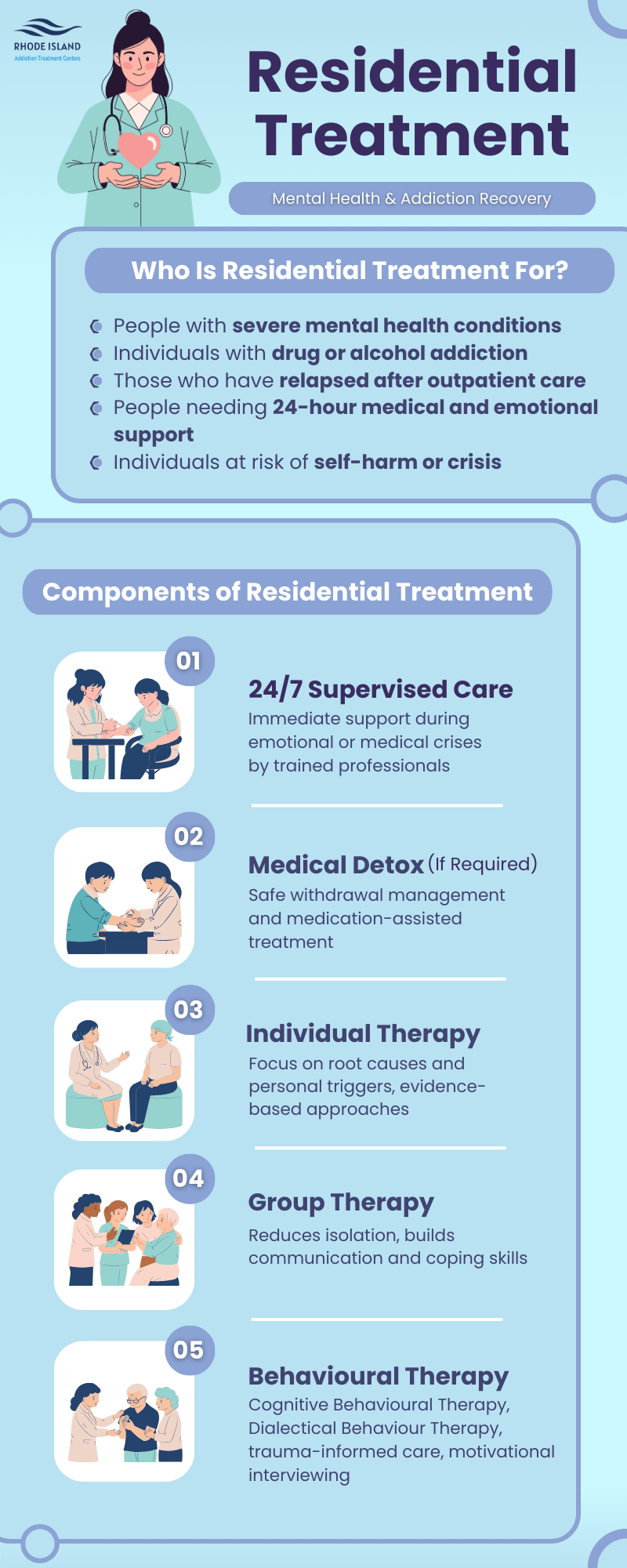
- Need to discuss trauma privately
- Experience severe social anxiety
- Have mental health symptoms needing close attention
- Want detailed review of relapse patterns
- Face sensitive legal or family concerns
Trust can be built before detailed trauma work. You don’t need to open every emotional door during the first appointment.
Group Therapy May Fit Isolation and Skills Practice
Peer support in addiction treatment may help when you:
- Feel alone or ashamed
- Learn well through discussion
- Need practice setting boundaries
- Benefit from shared accountability
- Want feedback on hidden patterns
Group readiness depends on safety and emotional stability. You may listen more than you speak during early sessions and that’s okay.
In these group settings, participants often trade practical ideas for healthy, hands-on hobbies that keep the mind and body occupied during early sobriety. Engaging in deeply satisfying physical tasks is a highly recommended behavioral strategy to combat restless energy and sudden cravings.
According to The Ultimate Guide to Therapeutic Cleaning: Why Pressure Washing Is Great for Mind and Body, immersive outdoor activities can trigger a clinical “flow state” that naturally reduces stress and provides an immediate, visual sense of accomplishment.
Some People Need Another Care Setting First
Individual counseling vs group counseling isn’t the first question during dangerous withdrawal or severe instability. Medical care may come first after a recent overdose, psychosis, mania, or immediate danger.
Therapy doesn’t replace emergency support. Call 911 when someone faces immediate harm.
Why Individual and Group Therapy Often Work Together
Individual therapy is a private workshop. Group therapy is a practice field.
Using individual and group therapy together can help you identify triggers, practice coping, prepare for difficult discussions, and build accountability.
For example, you might discuss family conflict privately. Later, the group can help you practice boundaries before a difficult conversation.
Rhode Island Addiction Treatment Centers’ intensive outpatient program uses structured care that may include evidence-based therapies and peer support. Its guidance discusses CBT, DBT, motivational interviewing, and support groups within IOP care.
Case Study: Combining Individual and Group Addiction Counseling
A multisite trial tested four counseling combinations for cocaine dependence. Researchers randomly assigned 487 adults across five sites. Treatment lasted six months.
Individual drug counseling plus group counseling produced the greatest improvement on the main drug-use severity measure. About 38.2% reached three consecutive abstinent months, compared with 27.1% receiving group counseling alone.
The study supports combined care for some clients. Yet it focused on cocaine dependence and used manual-guided treatment. Results don’t predict every outcome.
What to Ask Before Starting Addiction Therapy
Choosing therapy resembles choosing glasses. The right option should sharpen your next steps.
Ask:
- Why do you recommend this format?
- Who leads the group?
- What topics remain private?
- Can I meet individually when needed?
- How are conflicts handled?
- What happens after relapse?
- Can the therapy mix change?
A cognitive behavioral therapy program may help examine thoughts and behaviors driving substance use. The center describes CBT as skills-based care using thought review, problem-solving, role-play, and coping practice.
When addiction overlaps with depression, anxiety, or trauma, review the co-occurring disorders program. Explore broader addiction treatment programs in Rhode Island as well.
FAQs
Is Individual Therapy Better Than Group Therapy for Addiction?
The best therapy for addiction matches your needs, safety, and goals. Some people need privacy, while others grow through shared support.
Can Group Therapy Replace Individual Therapy?
Sometimes. Private sessions may still help with trauma or personal relapse risks.
Is Group Therapy Confidential?
Clinicians follow privacy rules, and groups set expectations. Still, providers cannot control what another member repeats outside sessions.
Can I Receive Both Individual and Group Therapy?
Yes. Many outpatient addiction counseling programs combine both formats.
Choose the Support That Helps You Speak and Grow
Choosing between individual and group therapy should reflect your symptoms, comfort, safety, and recovery goals. Private sessions can uncover triggers and painful patterns.
Group care adds connection, honest feedback, and real-life practice. Many people need both at different stages. Are shame, cravings, isolation, or repeated setbacks making change harder?
Rhode Island Addiction Treatment Centers offers personalized outpatient care near Providence. Call 888.541.4028 to discuss individual vs group therapy addiction treatment, available programs, and insurance options. You don’t need to choose alone. One honest assessment can help you find support that feels safe, practical, and useful.