
Shame and Addiction Recovery: How to Break the Cycle
Quitting drugs or alcohol is a huge victory.
Many people find another fight after the treatment. They can’t stop taking the blame.
They make the same mistakes over and over again, each day. Do they think they deserve better in life?
This is shame.
The difference between guilt and shame is that guilt is an attack on your behavior, while shame is an attack on your identity.
Shame doesn’t blame your actions, but it makes you the problem. Such thinking can creep in to disrupt the recovery process from addiction.
It’s as crucial as it is to maintain sobriety to learn how to break the shame cycle.
Why Shame is Different from Guilt
They are often used interchangeably. They are NOT equivalent.
We should hear the voice of Guilt saying, “I made a mistake.”
Shame speaks: “I am a mistake.
That difference matters. Guilt can motivate positive change. Shameful people tend to avoid people, withdraw, and not ask for assistance.
The more one stays in a shameful state, the more difficult it may seem to get better.
Why Shame and Addiction Recovery Are Closely Linked to Relapse Risk
It is common for many people to believe that cravings are the first step of a relapse. It may start with negative thinking about yourself.
Shame is a factor that was associated with a greater risk for relapse and poorer health outcomes over time among individuals with early recovery.
Shame is thought to be an inhibitor of healthy coping. This makes it difficult to maintain a connection with recovery.
Why Is It That People Keep Their Shame Hidden?
Silence is the fertile soil of the seed of shame.
Many people fear that if they are honest, they will lose family, friends, and/or their employment.
Rather, they act as if things are okay. That separation and isolation bring even more emotional pain.
In a narrative study on alcohol-dependent individuals’ journeys to recovery, the authors discovered that the feeling of shame frequently became a barrier to recovery because individuals had a very negative perception of themselves before they entered treatment.
The easier it is to face the recovery process, the sooner it happens.
Rhode Island Recovery Happens in Real Life
Recovery can’t take place in just a therapy room. It occurs during regular life activities.
If anyone walks through WaterFire Providence, they may still be carrying the burden of shame from years past.
The person who has a great view of the ocean, along Newport Cliff Walk, might still wonder whether he or she is entitled to a second chance.
It is sometimes not obvious that healing is taking place. That’s why it is so important to be compassionate.
Recognizing the Signs of Shame that Can Impact Recovery
Sometimes shame is not so easily heard.
It is frequently manifested in thoughts of everyday life.
These are some of the symptoms:
- Believing that he/she is unworthy of being saved.
- Avoiding support meetings.
- Getting on people’s bad side will not be forgotten.
- Hiding your struggles.
- Thinking that one mistake wipes out all progress.
These thoughts make recovery even harder for the one suffering.
What’s The Difference Between Accountability And Shame?
Recovery requires accountability. It does not demand constant self-punishment.
Responsibility is the acceptance of past actions.
There’s a lot more to Shame. It makes people feel that they are incapable of change.
The raw impact of shame and addiction recovery can be profound, heavily degrading self-esteem and making clinical treatment much more challenging unless it is resolved.
Recovery is about learning from the past and not living in the past.
How Therapy Can Help With Overcoming The Shame Cycle
People get a safe space to examine and question negative beliefs in therapy. Many find that they have been living with shame for several years.
Treatment helps people:
- Abandon any negative self-talk and embrace self-awareness.
- Develop more positive ways of coping.
- Strengthen self-worth.
- Improve communication.
- Re-establish relationships with family, friends, and colleagues.
These changes are not intended to make short-term advances but rather for long-term recovery.
Recovery Gets Easier When You Stop Hiding
Often, the voice of shame is the one that says to people to keep everything inside. It says no one will be able to understand. It says that seeking assistance is a weakness.
The reality is quite the contrary.
The more people share with someone they trust, the stronger their recovery will be.
This might be a therapist, a support group, or a close loved one of the family.
If you’re able to discuss it in an open, honest manner, then you can diminish the power that shame has over your thinking.
It also serves to remind you that many other people out there have gone through what you have.
No one is alone, and no one has to deal with his or her past alone.
Small Acts of Self-Respect Build Confidence Again!
It takes a long time to break the taboo. It starts with small decisions.
Keeping appointments.
Being honest.
Accepting support.
Making progress, not perfection!
With every healthy choice, you are reminding yourself that you can recover!
Those times gradually take the place of shame and turn to self-assurance.
How Rhode Island Addiction Treatment Centers Support Recovery
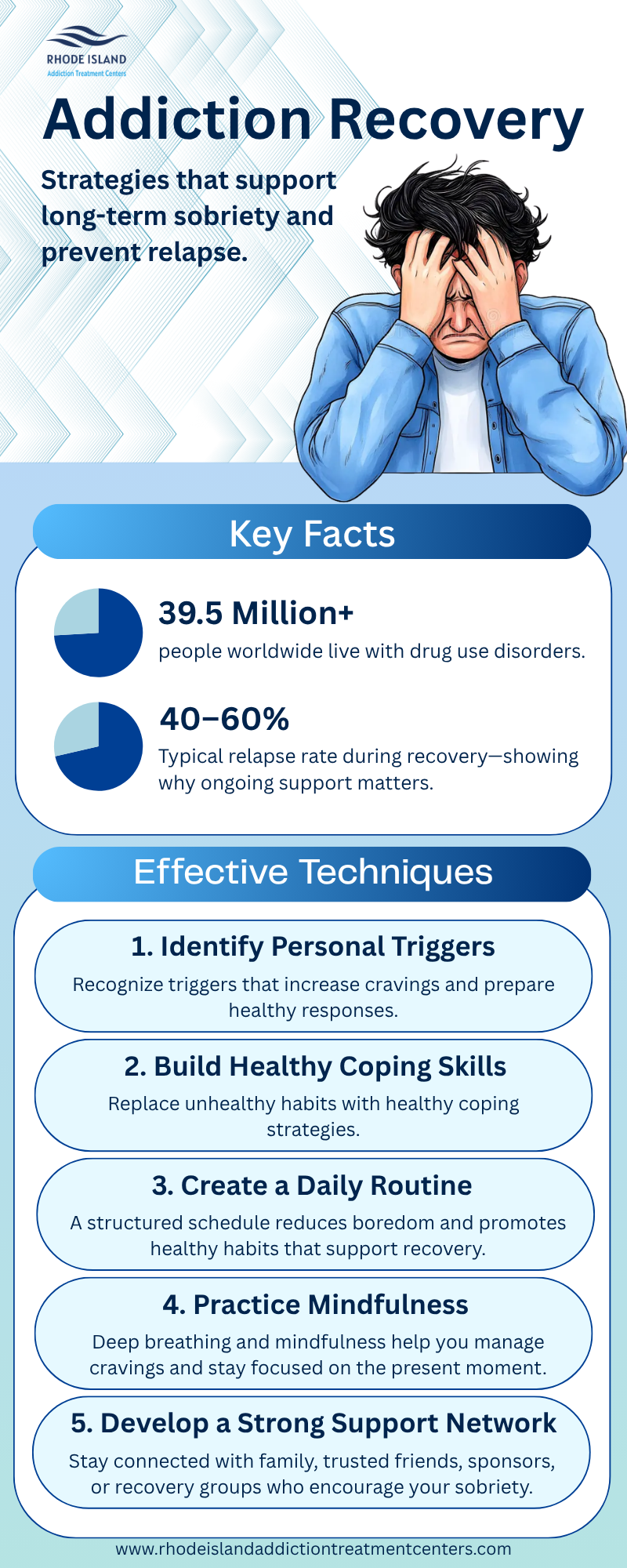
Rhode Island Addiction Treatment Centers focus on more than just helping people quit addiction.
The team is aware that feelings of shame, guilt, and low self-worth may persist after treatment.
Treatment focuses on the emotional component of addiction through evidence-based therapy, relapse prevention, and personalized treatment.
Patients gain the skills to overcome feelings of guilt and develop a better life.
Visit the Rhode Island Addiction Treatment Centers website to learn more: https://rhodeislandaddictiontreatmentcenters.com/
Recovery Begins When Shame Loses Its Power
You can’t change the past. It’s possible to alter what follows.
When you don’t make choices based on shame, your strength increases in your recovery.
Shame is diminished with each honest talk. Each healthy decision makes for hope.
If you’ve been holding yourself back due to feeling embarrassed, you can get help.
The staff at Rhode Island Addiction Treatment Centers is here to guide you in developing a recovery focused on healing rather than condemnation.
Your story is larger than your history.