
The Link Between Isolation and Addiction
Being alone and feeling lonely are two different things. One might be living alone but still not feel lonely because they enjoy their own company and have filled their time with positive things to say and be joyful.
On the other hand, someone who feels isolated or lonely might have people around them but still not feel connected or relevant. When we discuss mental health conditions and addiction problems in this context, it’s easy to spot a pattern. If a person feels irrelevant in social gatherings or doesn’t have a close network, they’re likely to find other measures to lift their spirits, and alcoholism or substance abuse can be among them.
However, this isn’t to say isolation and addiction are always connected, but there’s surely a correlation. This article explains this subject in more detail so we can make better sense of how one’s environment impacts their addiction.
How Does Isolation Affect Addiction?
Humans are social creatures, and we crave connection at different levels. So much so that social connection is linked to improved health and a lower risk of early death, as per the WHO.
But meaningful connections can disappear from people’s lives, as frequently noted amidst this ongoing loneliness epidemic. That’s when they seek other ways to make themselves happy and feel different emotions that might otherwise come from normal human activities.
That said, here are some ways that build a connection between isolation and addiction:
No Accountability
We avoid doing many things because we fear someone will judge us, right? So when that filter doesn’t exist, it can foster some unhealthy habits, such as substance abuse. If no one is around to hold you accountable, small things like missing work, declining mental health, or a haphazard routine might go unnoticed, and you wouldn’t feel the need to change.
Sometimes just having a friend who says “you’ve been drinking more lately” can interrupt a habit before it hardens into dependency. But if you’re mostly alone, you don’t resist the urges and form habits faster. Needless to say, that pattern repeats, and the absence of anyone tracking these shifts might foster your drug use.
No One to Notice or Step in
Living a lonely life means you don’t have people around to point out a negative change in your personality or to motivate you towards a better approach. For example, if you’re using drugs, a concerned coworker might notice bloodshot eyes or a sibling might tell you your speech is getting slurred. And while pointing these things out will annoy you, it can literally save your life because otherwise you’ll continue without any interruption.
Experts say that addiction builds in small steps, which can be caught by people who know a person well enough to see change. If that network doesn’t exist, no one is positioned to step in or suggest help, and you’ll continue ruining yourself. It’s also worth noting that when a person is left to self-monitor, it’s easier for them to slip because they need direction.
Worse Anxiety or Sadness
Isolation can actively worsen anxiety and low mood because it makes you feel unwanted or unloved. Naturally, such negative feelings push people toward something that offers quick relief.
More often than not, people use alcohol and substances to fill that empty space or to numb their pain. And since these things do help temporarily, they further reinforce the destructive habits. But this relief is short-lived if the underlying isolation remains untouched.
Moreover, the substance can deepen anxiety and sadness when its effects wear off. All this creates a cycle where you drink or use drugs to cope, feel worse afterward, and isolate further because of shame or exhaustion. Needless to say, this is one draining loop that must be interrupted, and you need loved ones around to suggest that to you.
Simply put, loneliness increases your emotional pain, substances offer a temporary fix, and when their effects wear off, they intensify the very pain they were meant to solve.
Lack of Emotional Support
We need a vent for difficult emotions; that vent can be an honest conversation, sharing a meal with a loved one, or simply doing a physically tiring activity. Interestingly, remaining physically active improves your mental health and mood, which can discourage you from using drugs or drinking heavily.
But if you don’t have any such outlet, you turn towards toxic substances and lead yourself down the path of destruction. In this situation, nothing gets resolved. Your grief or stress stays and gets even more compounded by the substance. On the other hand, real support helps a person move through a hard feeling and come out the other side.
No Social Activities
We’re social animals and different activities help us re-live that truth. Taking part in hobbies, sports, or simple gatherings can bring you out of a sad loop and make you feel alive.
Isolation strips these activities away and leaves you with long stretches of unstructured time with nothing constructive to be done. If we remove social interactions from our lives, it means there are no checks to stop us.
For instance, doing drugs alone at their house has no signal telling them to stop, and they keep feeding into this habit. Therefore, it’s best to maintain a social circle, even if small, that makes you feel alive and a part of something.
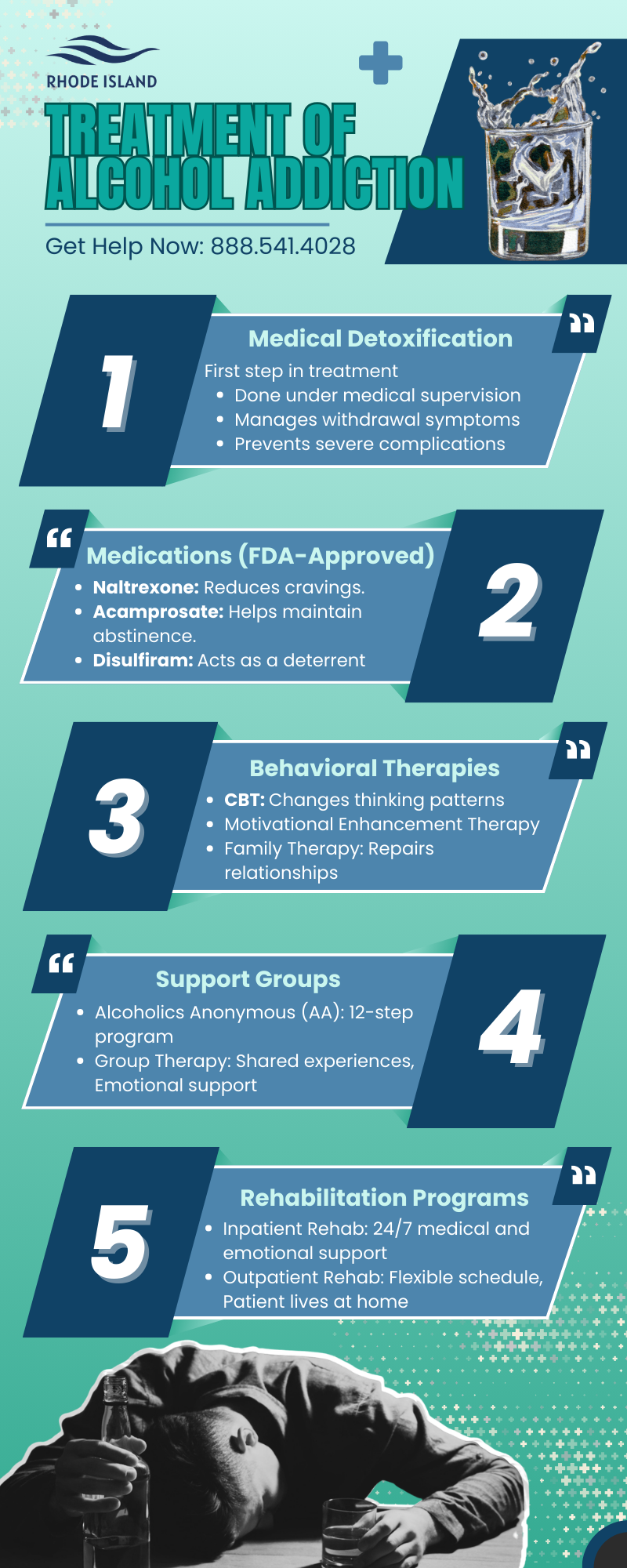
We Lend a Helping Hand
When you’re tied down by an addiction, the future seems dark and coming out of this phase feels impossible. But when you get experts’ help and let them plan your recovery journey, you can come out of this mess. Sure, beating drug addiction is a battle of patience and nerves, but Rhode Island Addiction Treatment Centers can make that happen. If you’re tired of these substances ruining your life, call us at 888-541-4028, and let’s stop this problem right here.