
How Long Does IOP Last in Rhode Island? A Realistic Timeline
“Participation for less than 90 days is of limited effectiveness.” Addiction psychiatrist Lantie Elisabeth Jorandby, M.D., cites that NIDA finding in Psychology Today. Ninety days. That’s longer than most people expect.
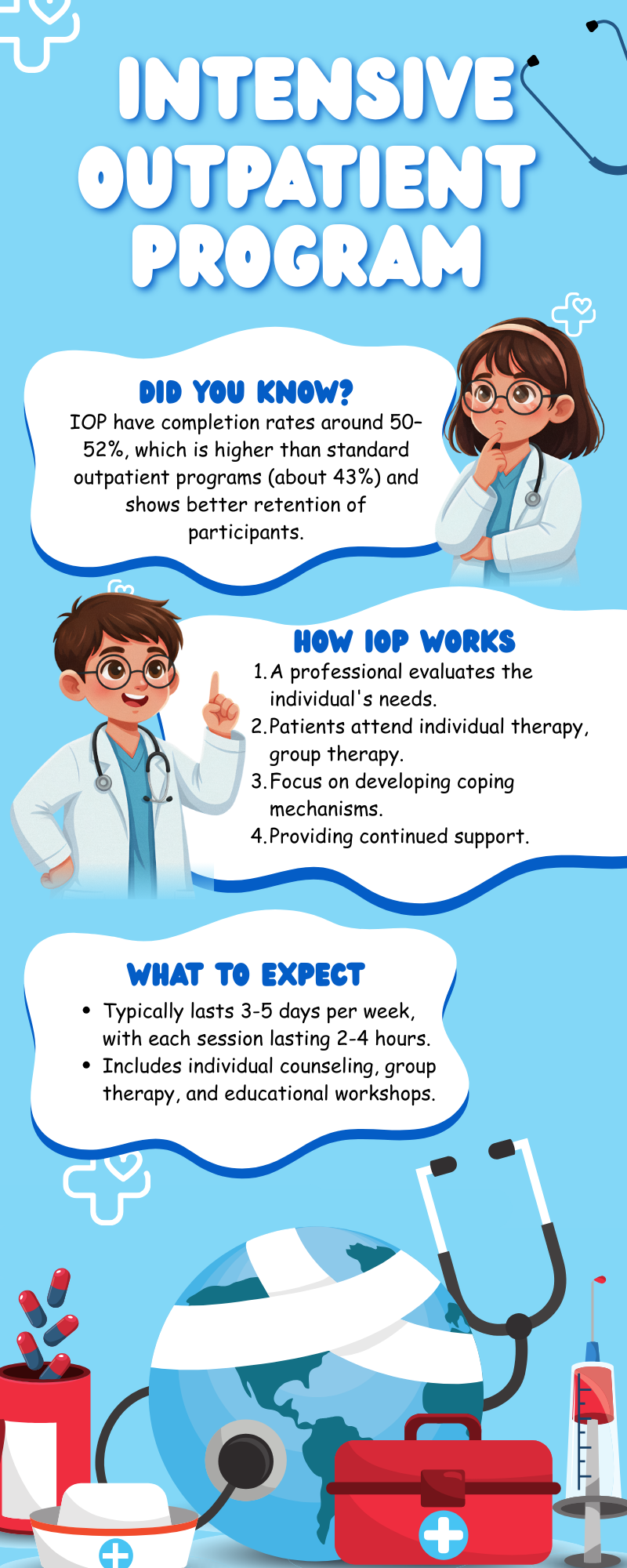
Here’s the other side of the math. A standard intensive outpatient program asks for 9 or more hours of treatment a week, spread over three to five days. So IOP is a serious time commitment. It’s also one that can fit around a job or a family.
How long does IOP last in Rhode Island, then? There’s no single number. Some programs describe a stay of four to six weeks. Research favors at least 90 days of total treatment. Both can be true when IOP is one stage in a longer path. Here’s how to read the timeline.
What Is IOP and How Many Hours Does It Involve?
IOP sits between standard outpatient care and a partial hospitalization program. You live at home and attend scheduled sessions. The structure is firm but flexible.
- Hours: State standards based on ASAM Level 2.1 call for 9 or more hours weekly.
- Days: Sessions run three to five days a week.
- Format: Individual counseling, group support, and recovery education.
- Fit: It suits people who need more than weekly therapy but not daily programming.
How Long Does IOP Last?
Treatment length isn’t a fixed calendar. It follows your progress. The standards behind IOP say so directly. The answer breaks into two parts.
What Is the Typical Range?
Program descriptions vary. Rhode Island Addiction Treatment Centers’ IOP page says IOPs typically last four to six weeks. Longer stays happen when clinical needs call for them. The Nebraska standard says length of service is “individualized and based on clinical criteria.” The plan must be reviewed at least every 14 days. So your timeline gets checked and adjusted as you go.
What Changes the Timeline?
Several things push a stay shorter or longer. Substance type and how long you’ve used it matter. So do co-occurring conditions such as anxiety or depression.
Your home environment also plays a role. A stable, supportive household can speed the process, while a stressful one may slow it.
Prior treatment history counts too. Someone stepping down from PHP often starts further along than someone entering treatment for the first time.
How Does IOP Compare With Outpatient and PHP?
Length and intensity travel together. The more hours a level asks for, the shorter the stay often runs. Here’s how the levels stack up on weekly time.
- Standard outpatient: under 9 hours a week.
- IOP: 9 or more hours a week over three to five days.
- PHP: about 20 or more hours a week.
- The overlap: Many people move between levels as their needs change.
RIATC’s IOP page says an IOP may not be ideal when more intensive treatment is needed. In that case, it points to a PHP or residential program.
Can I Work or Go to School During IOP?
Often, yes. That’s the main reason people choose IOP over PHP. The program page says clients keep up with work, school, and home responsibilities and attend sessions during their free time.
Ask about the current schedule when you call, since session times can change. Tell your admissions specialist about your job or class hours up front. A good team will help you work out a realistic week.
Missing sessions can stretch your timeline. Protect those hours.
What Happens After IOP Ends?
IOP rarely ends with a sudden stop. A good program plans the exit from day one. Stepping down gradually protects the progress you’ve made. Think of it as lowering the volume rather than switching the speakers off.
- Outpatient care. Fewer weekly hours, same support.
- Aftercare and relapse prevention. Regular check-ins keep skills sharp.
- Peer support. Groups and sponsors fill the gaps between sessions.
- Re-entry to a higher level. If stress spikes, you can move back up.
A Real-World Case: What 90 Days Plus Step-Down Looks Like
Here’s a published example. Dr. Jorandby points to a 2009 study of state physician health programs by DuPont and colleagues in the Journal of Substance Abuse Treatment.
Physicians began with 90 days of residential or intensive outpatient care. Then they moved to 3 to 12 months of less intensive outpatient care, with drug or alcohol testing for five years.
According to her summary, 78% had no positive tests over that period.
Look at the pattern. It isn’t a quick fix. It’s a long runway with steady support and clear step-downs.
The study involved physicians under monitoring. Results may differ for others. Still, it shows what long, structured care can look like.
A 1997 study of 338 intensive outpatient patients and 580 traditional outpatient patients found both groups improved at six months.
Intensity helps most when it matches need.
Where Can I Find IOP Near Providence?
Rhode Island Addiction Treatment Centers sits at 110 Jefferson Blvd, Unit G in Warwick. The site says the center is about 10 minutes from Providence. The team treats adults 18 and older in intensive outpatient and outpatient formats. Here’s how to take the first step.
- Call 888.541.4028 to talk with an admissions specialist.
- Read about our intensive outpatient program.
- Compare it with our partial hospitalization program.
- Verify your insurance first. Our guide to Blue Cross Blue Shield of Rhode Island rehab coverage explains what plans often include.
Your Timeline Starts With One Call
Nobody can promise an exact end date. A good team can promise a clear plan, regular reviews and a path forward. The first conversation answers more than any article can. It costs nothing to ask. You’ll leave the call knowing your options, your likely schedule and your next step. The first call is often the hardest step. After that, you’re moving.
Ready? Call 888.541.4028 or verify your insurance. Not sure how to begin?
Read our guide on how to start addiction treatment in Rhode Island. If you’re in crisis, call or text 988.
Read Next: Sober Thanksgiving Planning: Preparing for the Holidays Early in Rhode Island