
Adderall Misuse Among College Students: Treatment Options Near Providence Campuses
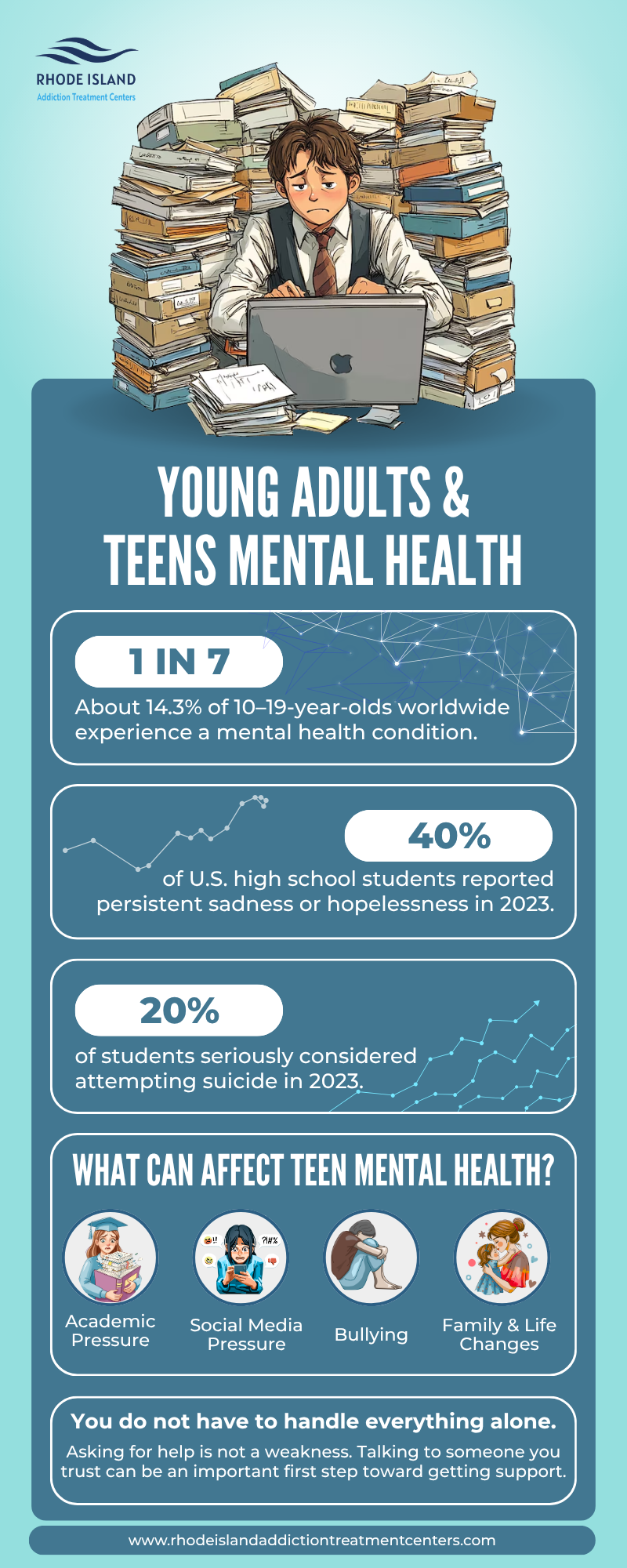
Late-night studying is “so common when you’re on campus.” Diana Zuckerman, president of the National Center for Health Research, said that while discussing Monitoring the Future data on student stimulant use. She’s right. And that’s the problem. When all-nighters feel normal, a pill that promises focus can look normal too.
The numbers are lower than they once were. Monitoring the Future found past-year nonmedical amphetamine use among college students aged 19 to 22 hit 6.5% in 2020. That was down 3.2 percentage points since 2015. Still, about one in fifteen students is a lot of students.
So what should you do if Adderall use has gotten out of hand? Start with an honest assessment. If you take it without a prescription, take more than prescribed, or can’t stop, an outpatient program near Providence can treat the stimulant use and any anxiety, ADHD, or depression underneath it. Here’s how to read the situation.
What Counts as Adderall Misuse?
Adderall is a prescription stimulant. Misuse covers more than getting high. Most students who misuse it want to study longer or stay awake. Any of these counts.
- No prescription. Taking a friend’s or roommate’s pills.
- Higher doses. Taking more than prescribed or more often.
- Different methods. Crushing and snorting pills instead of swallowing them.
- Mixing substances. Combining it with alcohol or other drugs.
Students who have an ADHD prescription can misuse it too. Taking extra doses before finals counts. So does sharing pills with a friend who’s struggling. If the pattern changed after a stressful semester, say so. That context helps a clinician understand what’s going on and what support would help most.
Why Is It Risky and When Does It Become Addiction?
Students often see “study drugs” as harmless. They’re not. A stimulant changes sleep, appetite, heart rate, and mood. Over time, the pattern can harden into dependence.
What Are the Risks?
Stimulants push the body hard. Sleep shrinks and appetite drops. Anxiety and irritability can climb. Taking Adderall with alcohol raises the danger further, because alcohol masks how drunk you are. Without a prescription, you also don’t know the dose or whether the pill is real. Counterfeit pills exist. Anyone with heart problems or a family history of them should be especially careful.
What Are the Warning Signs?
Watch for patterns rather than single events. You may feel you can’t start an assignment without a pill. You may use more than planned or run out early. Crashes after use might leave you exhausted, low, or short-tempered. Maybe you’ve tried to cut back and couldn’t. Those are signs worth taking seriously.
Our piece on discreet outpatient recovery for healthcare professionals shows how privacy-minded care can work for people with demanding schedules.
What Does Treatment for Stimulant Misuse Look Like?
Good treatment starts by asking why. Students rarely misuse Adderall in a vacuum. Underlying conditions often play a role.
Assessment Comes First
A clinician looks at your use, your sleep, your mood, and your history. They screen for ADHD, anxiety, and depression, since any of them can sit underneath misuse. Medication decisions depend on that picture and belong to a licensed prescriber. Rhode Island Addiction Treatment Centers’ co-occurring disorders program describes an integrated model that treats mental health and substance use together.
Outpatient Care Around Your Classes
You don’t have to leave school. Outpatient and intensive outpatient care let you live at home or on campus and attend scheduled sessions.
Therapy often includes cognitive behavioral therapy, which targets the thoughts and habits behind use.
Ask about scheduling around your class load and exam weeks.
Treatment can also address the pressure that drives use, such as perfectionism, poor sleep, and fear of falling behind. Learning other ways to study and rest often matters as much as stopping the pills.
A Real-World Case: When Misuse Is More Than Casual
Here’s what published research shows. Researchers at Massachusetts General Hospital, including Dr. Wilens, studied college students who misused stimulants. They only had enough data to examine a subset of misusers.
In that subset, more than two-thirds met criteria for a full or subthreshold prescription stimulant use disorder in a structured interview.
The authors also found that misusers were more likely to report ADHD, conduct disorder, and substance use disorders than non-misusers. Some students misused a friend’s medication because they believed it would help their grades.
The sample was a subset. The numbers don’t describe every student. Still, the finding is hard to ignore.
Misuse that looks casual from the outside can carry real symptoms underneath. Taking it seriously early is easier than waiting for a crash.
A clinician can sort out which symptoms come from the pills and which come from something else, such as untreated ADHD or anxiety. That distinction shapes the whole treatment plan.
Where Can I Get Help Near Providence Campuses?
Rhode Island Addiction Treatment Centers sits at 110 Jefferson Blvd, Unit G in Warwick, about 10 minutes from Providence. The center treats adults 18 and older. Ask about privacy and how your information is handled before you share details. Taking the first step costs nothing.
- Call 888.541.4028 to talk with an admissions specialist.
- Ask whether a parent’s plan or a school plan can cover care, then verify your insurance.
- Explore anxiety and depression treatment if those feel familiar.
- Bring your questions about class schedules, privacy, and cost.
Pass the Test Without Failing Yourself
A grade is temporary. Your health isn’t. Asking for help with Adderall doesn’t mean you can’t handle school. It means you’re handling it honestly. A short call can show you what support is available and what it would look like around your classes. You can ask questions without committing to anything. If a parent’s insurance is involved, ask the team how benefits and privacy work together.
Ready? Call 888.541.4028 or verify your insurance. Know a veteran who’s fighting the same battle?
Read our guide to addiction treatment for veterans in Newport, RI. If you’re in crisis, call or text 988.