
Meth Addiction Treatment in Rhode Island: Signs, Withdrawal and Recovery
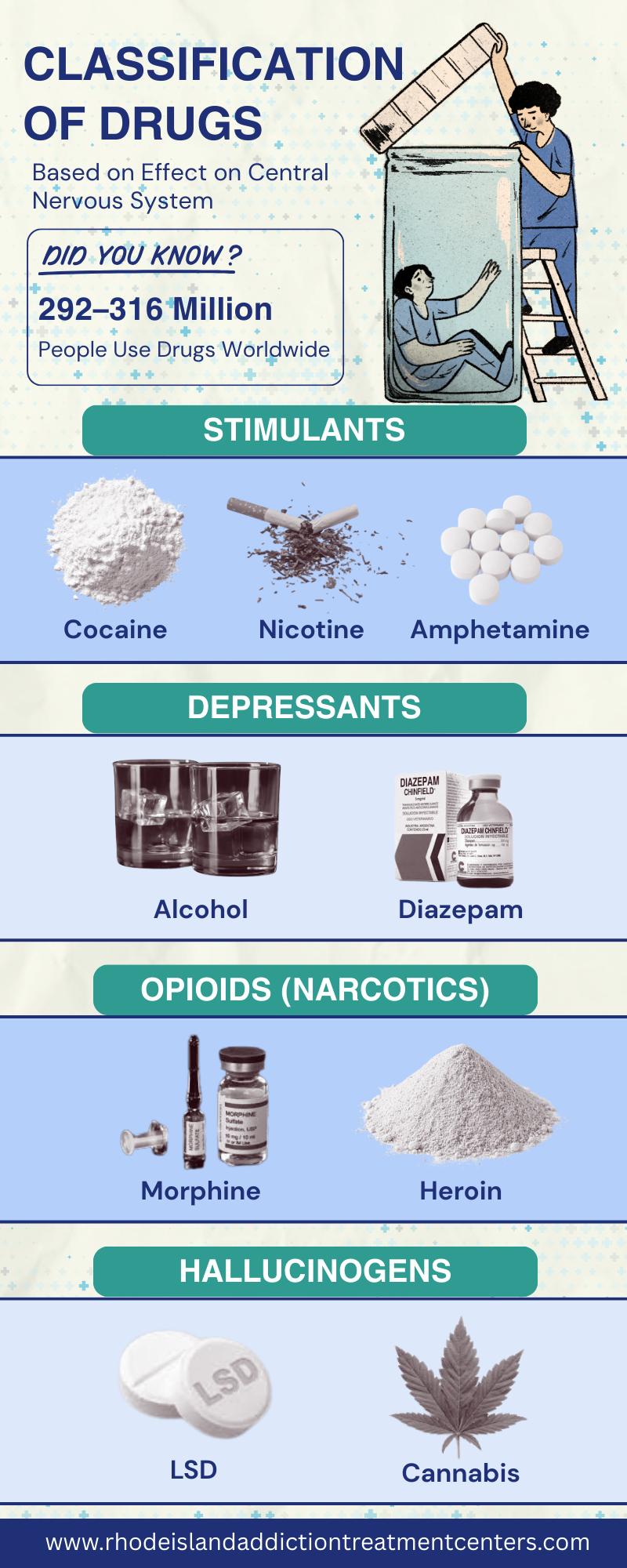
Meth, commonly known as methamphetamine, is a powerful stimulant drug that affects the central nervous system by increasing alertness. It is sometimes used as a source of mental stimulation or to reduce stress. Its consistent use can take a toll on your mental health and physical health. A person can find themselves losing control and getting out of their daily activities. The daily consumption can turn your life upside down while forming a strong addiction cycle.
Meth addiction treatment in Rhode Island can help you to follow a personalized treatment plan with right support. People can easily address the challenges of addiction while taking their daily responsibilities all along.
According to PubMed Stats, anxiety disorders have been reported among people who use methamphetamine. The estimated rate of addiction cases is 30.2%.
In this blog, you need to discover what is meth addiction and what treatments you can follow in Rhode Island, along with signs and a treatment plan.
What are the Signs of Meth Addiction?
The signs of meth addiction can develop gradually and affect your physical health and emotions. A person initially feels confident but after that feel decline in energy levels. They also notice changes in sleep patterns and energy levels.
1. Physical Signs
Meth affects the brain, stimulates the central nervous system, and causes changes in the body’s normal functioning. Some common physical signs include:
Changes in sleep patterns:
A person has trouble sleeping through the entire night and struggles to maintain a regular sleep pattern. Meth consumption can affect your appetite and disturb your normal eating habits.
Unexplained Weight Loss:
Meth can reduce appetite and lead a person to eat less than their regular. The consistent reduction in food intake and disrupted sleep can contribute to weight loss and exhaustion.
Skin Issues and Dental Issues:
People who are continuously taking methamphetamine can develop skin problems and dental issues. The skin issues are skin sores, and dental issues appear in the form of gum problems and teeth grinding.
2. Behavioral and Emotional Signs
Meth addiction affects the way a person thinks and feels by changing how their brain functions. Some changes can be more noticeable in their daily routine and behavior. You can notice signs such as anxiety or depression, mood swings, or being anxious and emotional.
Meth Withdrawal: What Happens When You Stop?
When a person stops using meth, then taking the first step toward recovery can help you to manage withdrawal symptoms.
They might experience some changes in their daily routine, such as changes in appetite and sleep patterns. Some people experience sleep interruption with restlessness or disturbed sleep. They also experience sadness, emotional distress, and anxiety.
When someone who is dependent on meth stops using it, there will be some withdrawal symptoms. People who use meth frequently or in larger amounts can experience more intense symptoms. The severity and duration of symptoms are different from person to person.
Meth Addiction Treatment Options in Rhode Island
Some people feel irritable and lose interest in activities they once enjoyed. Also, there is a huge change in their appetite, and there can be some symptoms that appear in the initial stage of recovery.
1. Medical Assessment and Withdrawal Support
The first step in meth addiction treatment is medical assessment with a mental health expert. They evaluate withdrawal symptoms, such as physical health and mental health concerns. This assessment helps you understand the level of mental health treatment that supports your long-term recovery.
In cases where medication affects your body and mind, the mental health experts help you manage withdrawal symptoms and guide you toward a more stable and manageable condition.
2. Behavioral Therapy and Counseling
Behavioral therapy and counseling play an important role in recovering from meth addiction. The therapist suggests different therapies such as Cognitive Behavioral Therapy (CBT), Dialectical Behavioral Therapy, and trauma-informed therapies. These therapies help you to identify your emotional patterns and triggers.
3. Structured and Ongoing Treatment
This treatment allows patients to attend scheduled therapy sessions and counseling appointments while continuing their daily commitments. These recovery programs can be carried out alongside your daily responsibilities. This option can be best for people who want to receive treatment while maintaining their daily routines. There are regular appointments that help them to track their progress and manage cravings.
What does Recovery From Meth Addiction Look Like?
Recovery from meth addiction is a consistent process that takes time and patience with support. It does not get better overnight, and each person’s recovery journey can be different.
With the right treatment approach, patient can gradually rebuild their daily routines and improve their emotional health. They will help you to support healthier ways to manage stress and intense cravings.
The treatment can help people restore regular sleep patterns and recognize situations that trigger meth addiction. You need to develop strategies to handle difficult emotions without depending on substances.
Take the First Step Toward Recovery
If you are living with meth addiction and struggling to manage your mental and physical health. The mental health expert can help you by understanding your symptoms and assigning you the right treatment for your needs.
People try their best to cope with the situation, but when meth addiction starts occupying their life then dealing with the challenges is necessary. You need to track symptoms such as anxious thought patterns, difficulty sleeping, and an increased heartbeat. The professional help you to regain the tools and coping skills to manage difficult situations toward long-term recovery.
While recognizing the signs of meth addiction and understanding withdrawal symptoms, you need to opt for treatment. From medication to therapies, you need to follow each step to cope with your situation and get back to a normal life.
If you or someone you care about is struggling with methamphetamine addiction, then help them to take the first step toward recovery. Rhode Island Addiction Treatment Centers can help you explore treatment options and understand the steps toward recovery.
Read Next: Alcohol Detox in Rhode Island: What to Expect in the First 72 Hours