
Trauma-Informed Addiction Treatment in Rhode Island: Healing the Root Cause
Maya didn’t think she had a drinking problem.
She knew she was drinking more than she used to. She knew she sometimes promised herself she wouldn’t drink that night and ended up doing it anyway. But in her mind, alcohol wasn’t the problem.
The problem was that she couldn’t sleep!
Then there were the nightmares. The anxiety. The memories she tried not to think about.
A few years ago, she had a serious car accident. Since then, driving had felt different for her. Certain roads made her heart race, and loud noises surprised her. Some nights, she lay awake replaying the accident in her mind.
Alcohol helped her relax. A few drinks helped her fall asleep. Eventually, drinking became part of her nightly routine.
Maya’s story shows how trauma is the root cause of substance use. Understanding this connection is an important part of recovery.
The Situation: When Coping Starts Creating More Problems
Maya didn’t start drinking because she wanted to get addicted to alcohol; she was just looking for a way to feel better after the accident.
At first, alcohol seemed to help. But over time, it started affecting other parts of her life.
She noticed that:
- Her drinking was becoming more frequent
- She was thinking about alcohol during the day
- She avoided plans with friends and family so she could stay home and drink
- She had trouble concentrating at work
- She became more irritable with the people around her
- She struggled to cut back, even when she wanted to
Maya kept telling herself, “I can stop whenever I want.”
Then she tried. She went a few days without drinking, but the anxiety and sleeplessness became difficult to handle. Eventually, she drank again and felt temporary relief.
The Turning Point
Maya’s turning point didn’t come when she couldn’t keep handling things; it came from a simple question someone asked her:
“What happens right before you feel like you need to drink?”
She had never thought about it that way. She started paying attention.
On stressful days, she wanted alcohol more.
When she had trouble sleeping, cravings became stronger.
Driving near the location of her accident could leave her anxious for hours.
She began to see a pattern:
Trauma-related Stress → Anxiety → Drinking → Temporary Relief → More Problems → More Stress.
The alcohol wasn’t solving the original problem. In fact, it was becoming another one!
The Assessment: Looking at the Whole Picture
When Maya reached out to Rhode Island Addiction Treatment Centers for help, our treatment team didn’t focus only on her drinking. They wanted to understand what was happening in her life and what may have contributed to her substance use.
They asked about:
- Alcohol Use: How often she drank, how much she used, and whether she had tried to stop.
- Trauma: What happened and how the experience continued to affect her.
- Mental Health: Her anxiety, sleep problems, mood, and other symptoms.
- Daily Life: How drinking was affecting her work, relationships, and responsibilities.
- Triggers: Situations or feelings that made her want to drink.
- Other Concerns: Any additional substance use or mental health issues that could affect her recovery.
This information helped us create a treatment plan that addressed more than just the drinking.
The Treatment Approach: Safety Before Everything Else
Maya was worried that treatment would mean being forced to talk about the accident in detail.
It didn’t.
Trauma-informed care doesn’t mean pushing someone to relive painful experiences before they’re ready. Instead, the treatment team keeps their history, comfort level, safety, and needs in consideration.
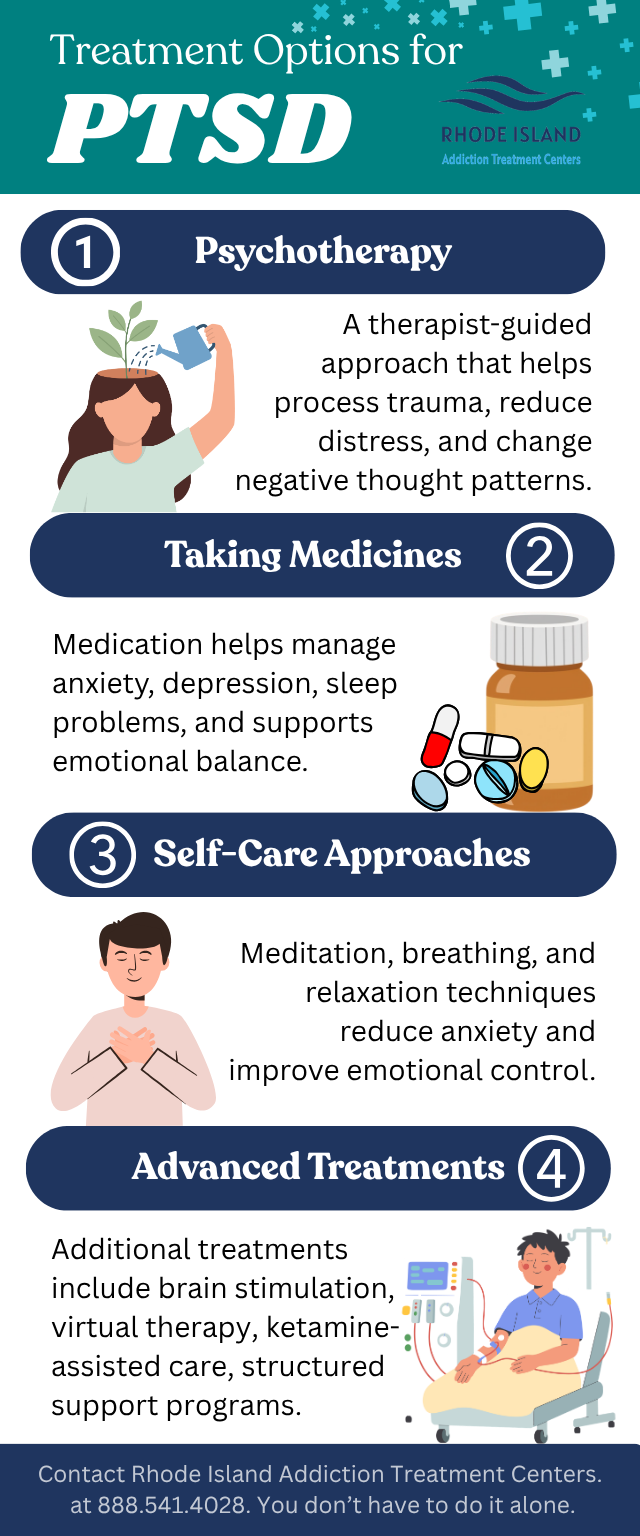
Maya’s initial treatment aimed to help her start her recovery. She worked on:
- Identify situations that trigger cravings
- Manage anxiety without using alcohol
- Find healthier ways to deal with stress
- Improve sleeping habits
- Learn how trauma affects substance use
- Build skills to handle difficult emotions
- Create a plan for dealing with future cravings
As she felt more at ease, she could start to talk about the effects of the trauma directly, with the right professional support.
The Bigger Picture: Trauma and Addiction Can Overlap
Maya’s story doesn’t mean trauma causes addiction in everyone.
People develop substance use disorders for many different reasons, including genetics, environment, mental health, stress, social factors, and patterns of substance use.
But trauma can be an important part of the picture for some people. A person may use alcohol or drugs to:
- Numb painful memories
- Calm anxiety
- Sleep
- Escape difficult emotions
- Feel more comfortable around others
- Avoid thinking about something that happened
The problem is that the relief usually doesn’t last.
Over time, using substances can create new problems while the original emotional pain still exists. That’s why just asking someone to stop using may not solve all their needs.
What Changed for Maya?
Maya’s recovery was not easy. She still faced tough days and felt anxious at times. Some memories still hurt her.
But something important had changed: she no longer thought of alcohol as her only option.
She learned what triggered her feelings. She had friends to support her, healthier ways to handle stress, and she started to confront the experiences she had avoided for years.
Most importantly, she stopped asking: “What’s wrong with me?”
And started asking: “What happened to me, and what do I need to heal?”
This shift can change the way someone looks at recovery.
Finding Trauma-Informed Addiction Treatment in Rhode Island
You don’t have to wait for your substance use to cause a huge crisis before reaching out. If you find yourself using drugs or alcohol to cope with stress, difficult memories, or painful emotions, or you’ve tried to stop but keep going back, it may be time to seek professional help.
Rhode Island Addiction Treatment Centers can help you look at the bigger picture, understand how trauma may be affecting your recovery, and look at treatment options based on your needs.
If you’re ready to make a change, contact us today and get compassionate care on your path to healing and recovery.