Sober Living and Post-Detox Housing Options Throughout Rhode Island
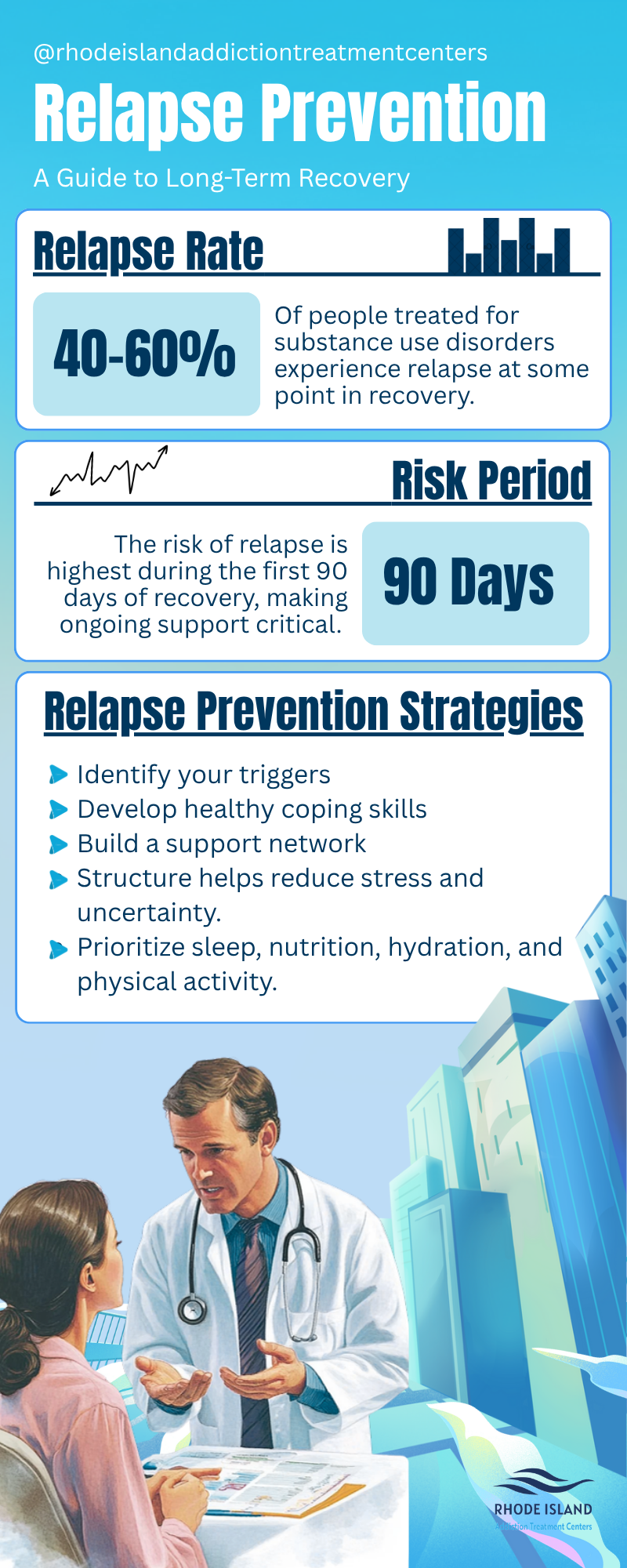
When it comes to addiction recovery, leaving a secure medical facility often brings intense anxiety and uncertainty. In fact, it leads to approximately 46% of individuals experiencing relapse within the first year of leaving a structured treatment environment. It is unsurprising, though, because addiction thrives in the absence of the structure for recovery.
Detox simply clears physical substances from your bloodstream. It is not a cure. Returning to an unstructured home without ongoing clinical support often leads to an immediate relapse.
Your physical environment must support your neurobiological healing. Transitioning into structured sober living and pairing that housing with rigorous outpatient care at Rhode Island Addiction Treatment Centers builds an impenetrable foundation for long-term sobriety.
The Critical Transition Towards Recovery: Why Your Post-Detox Environment Matters
The Hidden Danger of Returning to Old Triggers
The human brain is adaptable. It operates as a sophisticated pattern-recognition machine that learns from experience and requires repetition to form habits. During active addiction, your central nervous system associates specific locations and social circles with the immediate chemical reward of substance use. This causes your brain to physically link these environmental cues directly to its dopamine-producing centers.
Returning to the places where you used to drink heavily or use drugs reactivates these dormant neural pathways instantly. The amygdala interprets these familiar surroundings as a cue to consume the substance. The brain triggers environmental conditioning, and an overwhelming physical craving occurs before your logical brain recognizes the danger.
Sabotaging early recovery becomes almost inevitable when your neurobiology constantly fights your daily living space. You must change your environment to give your prefrontal cortex a chance to heal.
What Exactly Is Sober Living?
Sober living homes operate as substance-free residential environments engineered specifically for individuals navigating early recovery. These transitional houses provide a mandatory layer of physical safety and behavioral accountability. Securing this physical safety naturally regulates the vagus nerve and lowers daily adrenaline production.
Residents adhere to firm curfews and undergo regular drug testing to ensure the living space remains drug-free. You immerse yourself in a built-in sober community of peers sharing the same neurological healing journey. This structured framework provides crucial stability while the individual returns to work or attends daily clinical treatment.
Shared accountability fosters deep empathetic connections that combat the biological isolation of addiction. You live alongside housemates who understand the unique friction of rebuilding a life in Rhode Island.
Types of Transitional Housing in Rhode Island
Structured Sober Living Homes vs. Halfway Houses
Navigating local housing options requires understanding the difference in clinical oversight. Halfway houses are typically state-funded institutions featuring regimented schedules and court-mandated placements. These facilities serve a vital purpose but often lack the comfort and flexibility desired by working professionals.
Private sober living homes offer varying levels of independence in a much more welcoming residential setting. Premium transitional homes require residents to actively participate in an outpatient treatment program or maintain steady employment. This requirement ensures every resident remains engaged in their own cognitive growth.
Maintaining employment and attending therapy rebuilds executive function and creates a sustainable daily routine. The resulting structure anchors your nervous system and prevents long periods of dangerous idle time.
The Missing Link: Pairing Housing with Outpatient Care at RIATC
Why a Safe Bed is Not Enough: The Need for PHP and IOP
A secure place to sleep provides physical safety but cannot produce genuine neurobiological repair. Transitional homes do not employ the psychiatric staff required to treat complex behavioral health disorders. Behavioral compliance in a sober home is not the same as authentic psychological healing.
Residents living in these Rhode Island homes must seek professional medical intervention during the day to sustain their progress. Clients travel to our Warwick clinic to attend a Partial Hospitalization Program or Intensive Outpatient Program. Engaging in master-level therapy addresses the exact root causes of the addiction rather than just managing surface behaviors.
We provide the clinical density required to permanently rewrite damaged neural pathways. The daily therapy equips you with the distress tolerance skills needed to interact successfully with your new housemates.
Wondering what the realistic timelines on these programs are? Read here – How Long Does Outpatient Addiction Treatment Last? Realistic Timelines in East Providence, RI
Continuing Care with MAT and Dual Diagnosis Therapy
Living independently requires robust medical support to manage the ongoing physiological changes of early sobriety. Our clinical team in Warwick utilizes Medication-Assisted Treatment to effectively stabilize your brain chemistry. Managing FDA-approved prescriptions like Suboxone or Vivitrol neutralizes intense physical cravings and blocks the euphoric effects of illicit opioids.
Occupying these receptors allows the central nervous system to exit survival mode safely. Our therapists simultaneously treat the co-occurring trauma or depression driving the initial substance use. Your peers in a sober house cannot resolve your complex post-traumatic stress disorder.
Comprehensive dual diagnosis therapy ensures your nervous system receives the exact medical attention it needs to heal properly. We balance your neurochemistry so you can navigate independent living without returning to self-medication.
Collaborative Case Management and Care Coordination
You never have to navigate the complex logistics of early recovery alone. The clinical case managers at Rhode Island Addiction Treatment Centers actively collaborate with local house managers across the state. We ensure a seamless flow of communication between your medical team and your residential support system.
Reducing this administrative burden significantly lowers the allostatic load on your healing brain. Our staff provides the necessary clinical documentation and attendance verification required by your housing contract. We also share drug screening results to keep you in good standing with your specific residence.
This collaborative care coordination builds a unified safety net around your daily life in the Ocean State. It guarantees all of your support systems are aligned and working toward your long-term success.
Secure Your Full Continuum of Care Today
Enduring early recovery in a triggering environment invites unnecessary danger. Building a strategic and multi-layered support system is the smartest decision you can make for your future. The dedicated admissions team at Rhode Island Addiction Treatment Centers is ready to help you navigate this transition.
Call (888) 541-4028 or visit rhodeislandaddictiontreatmentcenters.com to learn more about our services. You can also discuss treatment schedules, assessment arrangements, and insurance options with the team.
Remember, taking the first step does not require having the entire recovery journey figured out. It starts with finding the right support and building from there.