
Does Rhode Island Medicaid Cover Dual Diagnosis Treatment?
Think of two doors down the same hallway. Behind one is a substance use counselor. Behind the other, a psychiatrist. For a long time, that’s how treatment worked for people carrying both a mental health condition and a substance use disorder. Pick a door, get treated for one thing, and hope somebody eventually mentions the other.
The trouble is, depression and drinking don’t take turns. They show up in the same room, at the same time, feeding the same spiral. Treating them as two separate appointments, on two separate days, with two separate providers who never talk to each other, isn’t really treatment. It’s triage with extra steps.
Rhode Island Medicaid has caught up to that reality. And it’s worth saying plainly, because a lot of people assume “dual diagnosis” is some premium add-on tier that costs extra or a specialty service tucked away behind a longer application. It isn’t.
Medicaid Dual Diagnosis Treatment Rhode Island Covers It
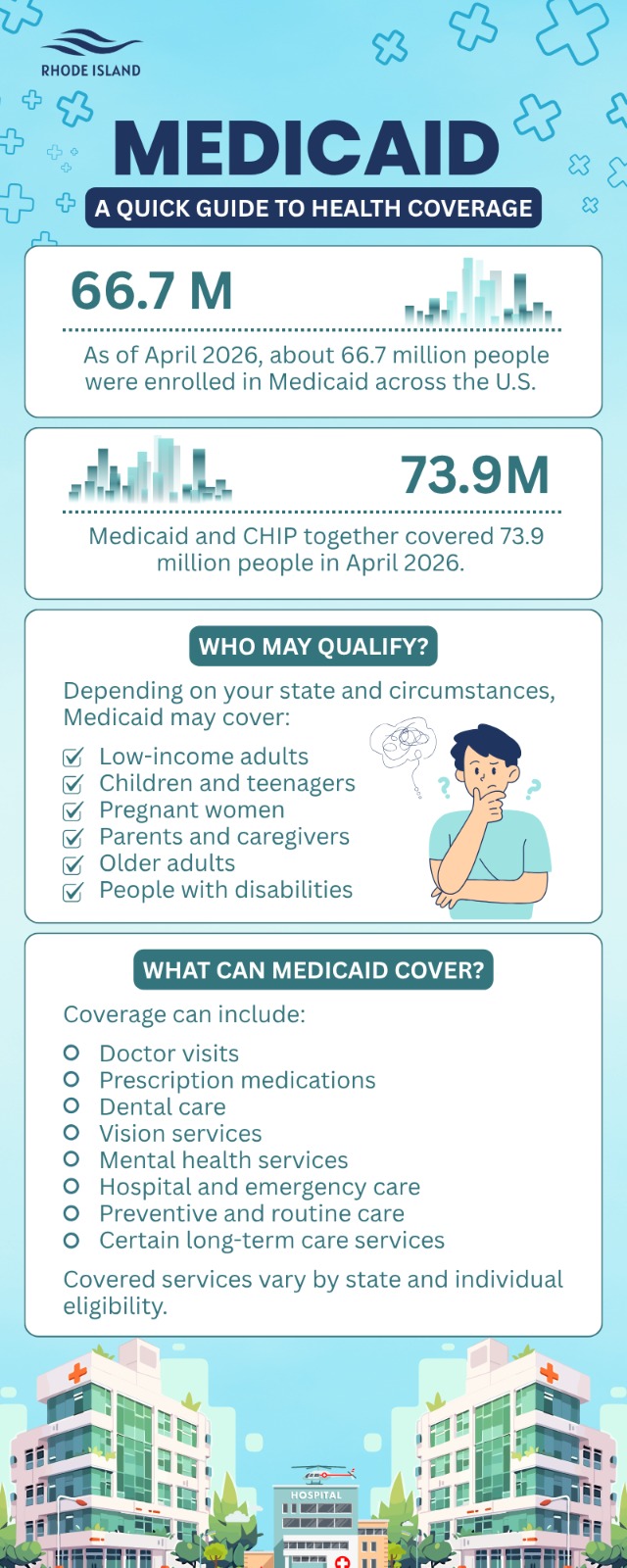
If you’re enrolled in Rhode Island Medicaid through RIte Care or Rhody Health Partners, dual diagnosis treatment falls under the same coverage that treats substance use disorder or mental illness on its own. Federal parity law requires it: mental health and substance use benefits can’t be more restrictive than what Medicaid covers for any other medical condition. Hence, a psychiatric evaluation gets treated with the same seriousness as a cardiology referral. On paper, at least, there’s no separate, harder-to-reach category called “co-occurring.”
So why does it feel murkier than that? Mostly because mental health and addiction treatment grew up as two different systems with different licensing boards, clinical training, and billing codes long before anyone built a bridge between them. Medicaid Dual Diagnosis Treatment Rhode Island coverage exists specifically to close that gap. The insurance caught up before the delivery system fully did, which is part of why finding the right program still takes some legwork.
What Counts as “Dual”
The term sounds clinical, but the situations it describes are common ones: someone managing depression who’s started drinking every night just to fall asleep. People with an anxiety disorder whose Xanax use crept past what a doctor ever prescribed. Bipolar disorder alongside stimulant use. PTSD sitting underneath years of opioid misuse.
None of these are rare combinations. Individuals with a mental health condition are considerably more likely to develop a substance use disorder than the general population, and it typically runs both directions. The addiction makes the anxiety worse. The anxiety makes the drinking harder to stop. Neither one is the “real” problem waiting behind the other.
Treated Together, Not in Sequence
This is where dual diagnosis coverage actually differs from standard addiction treatment, and it’s the part worth understanding before you make a single phone call. The old model treated these conditions in sequence. Get sober first, then get referred somewhere else for the depression or the trauma, usually months later, to a provider who’s never seen your treatment history. Integrated treatment does both at once: one clinical team, one treatment plan, a psychiatric provider, and a substance use counselor working from the same chart instead of two separate ones.
Most Rhode Island Medicaid enrollees access this through one of three managed care plans. Neighborhood Health Plan of Rhode Island, UnitedHealthcare Community Plan, or Tufts Health Plan (marketed as RITogether). The one you have on your card decides how quickly a program can get authorization going.
If you’re not sure where to start, BH Link functions as the state’s front door for behavioral health crises and can point you toward a program equipped to handle both diagnoses rather than just one.
How Far the Coverage Reaches in Rhode Island
Rhode Island Medicaid dual diagnosis coverage is not limited to a single setting. It follows you through levels of care, using the same ASAM criteria the state uses for standard addiction treatment. This means coverage for outpatient therapy, more intensive outpatient programs for those who need daily structure but don’t need to leave home, and residential or medically monitored detox for those who need round-the-clock supervision for their withdrawal or psychiatric symptoms. Medication management is part of that continuum too for the psychiatric condition, the substance use disorder, or, in plenty of cases, both.
The thread running through all of it: coverage isn’t determined by which condition is “worse.” It’s determined by medical necessity for the combination, documented and reviewed like any other clinical decision.
Where the Coverage Stops
Medicaid covering dual diagnosis treatment doesn’t mean every expense disappears. Sober living and recovery housing generally aren’t funded. Medicaid pays for treatment, not rent. Holistic add-ons like equine therapy or wellness retreats usually fall outside the covered benefit, however good they might be for someone’s recovery.
Moreover, out-of-state placement is rarely approved when a comparable Rhode Island program exists. None of this is a loophole designed to disappoint anyone. It’s just the actual shape of the benefit, and knowing it ahead of time beats finding out mid-treatment.
Picking a Program Built for Both
Not every facility that treats addiction is equipped to treat what’s sitting underneath it. Before committing, it’s worth asking a program directly whether there’s a psychiatric provider on staff. Not a referral to three towns over, but someone who’s a genuine part of the treatment team.
Ask whether one case manager follows a person across both conditions or whether the mental health side and the substance use side operate as two separate files that occasionally cross paths. Finally, confirm the facility carries BHDDH licensing for the specific services it’s offering, since that’s the credential that keeps the “integrated” claim honest rather than just a word on a brochure.
Final Words
In 2020, 17 million U.S. adults had both a mental illness and a substance use disorder.
Two doors down, one hallway was never really a treatment plan; it was a floor plan. Rhode Island Medicaid already covers what it takes to knock that wall down: one team, one plan, both conditions treated as the single, connected thing they’ve been all along. The coverage isn’t the hard part. Finding the program that truly practices it that way is.
Contact Rhode Island Addiction Treatment Center today for more information on your benefits and insurance plans.
Read Next: 10 Questions to Ask a Dual Diagnosis Drug Rehab in Rhode Island