
Does Medicaid Cover Benzodiazepine/Xanax Addiction Treatment in RI?
Prescription bottles have childproof caps, a typed label, and a pharmacist’s initials in blue ink. It looks like the least dangerous object in the house. Apparently, they will never remind you of addiction and needles. That’s exactly why so many people don’t even notice when the number of pills leaving the bottle stops matching the number a doctor ever intended.
Benzodiazepines are incredibly effective for panic and anxiety disorders. However, the relief is short-lived, and the patient is intrigued to take another dose before time. The person develops a tolerance for the drug over time, with increasing amounts of the drug required to produce the same calming effect. In 2023, benzodiazepine overdoses claimed nearly 11,000 American lives.
Rhode Island Addiction Treatment Center, in collaboration with Medicaid, is determined to save millions of lives at risk of benzodiazepine and Xanax overdose in Rhode Island and beyond.
Yes, Medicaid Covers It
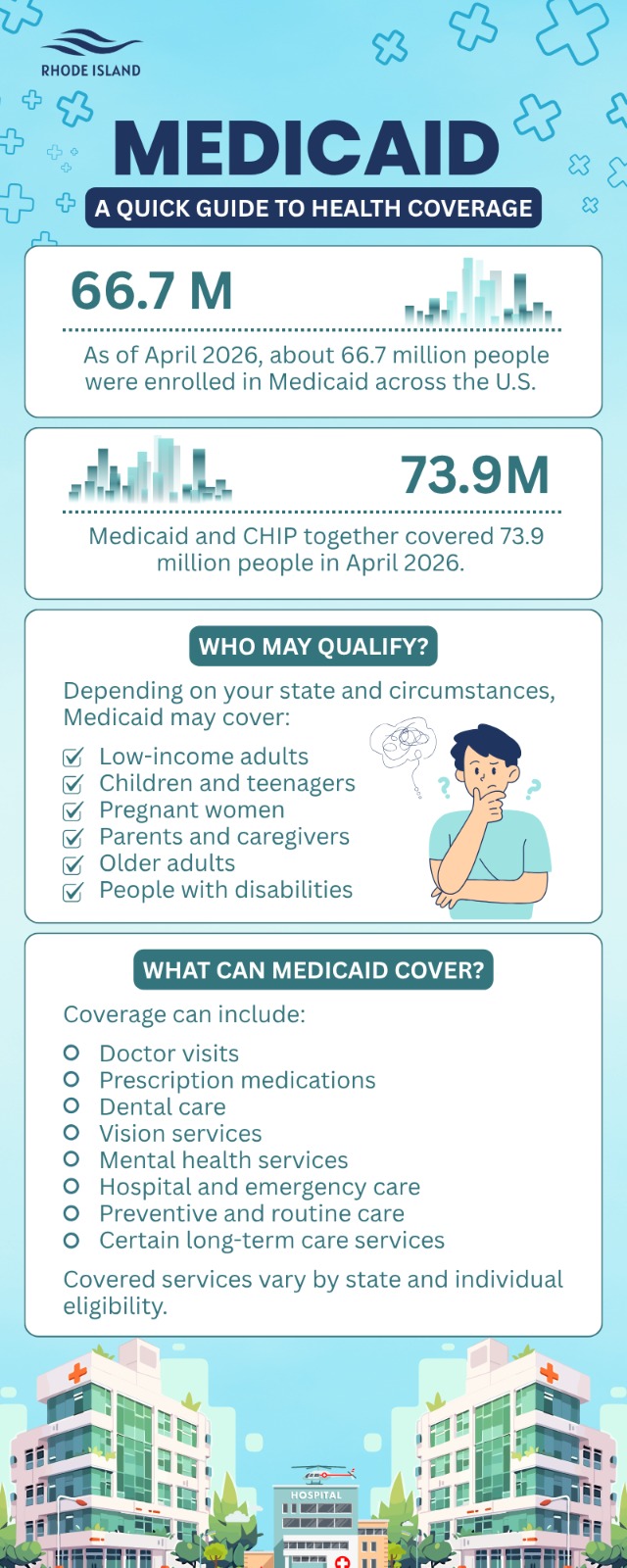
If you’re enrolled in Rhode Island Medicaid, through RIte Care or Rhody Health Partners, treatment for benzodiazepine addiction is a covered benefit under federal parity law. Everything from assessment to follow-up care falls inside the same coverage that treats any other substance use disorder.
That’s worth stating outright, because benzos tend to get filed under a different, gentler category in people’s minds. Prescribed by a doctor. Kept in a cabinet, not scored on a street corner. Somehow less “real.” Medicaid Benzo Rehab Rhode Island doesn’t make that distinction, and neither does the withdrawal.
Major Managed Care Organizations (MCOs) in Rhode Island
Most Rhode Island Medicaid enrollees aren’t on traditional fee-for-service. They’re placed with one of three state-contracted health plans, and the name on that plastic card matters more than people realize when it comes to actually getting care moving:
- Neighborhood Health Plan of Rhode Island, the state’s largest Medicaid provider
- UnitedHealthcare Community Plan of Rhode Island
- Tufts Health Plan, marketed under the name RITogether
Pro-tip: all three are required to cover benzodiazepine treatment. The network of doctors you can see, and the speed at which prior authorization is processed, varies by provider. Knowing which plan you’re on before you start calling facilities saves a real amount of back-and-forth.
Specific ASAM Levels Covered in Medicaid Benzo Rehab Rhode Island
Rhode Island Medicaid is administered by the Executive Office of Health and Human Services (EOHHS) and uses the American Society of Addiction Medicine (ASAM) criteria to determine what level of residential care it will pay for. This is not a bureaucratic detail, because benzo withdrawal has a real risk of grand mal seizures. It’s the reason the state explicitly covers the higher, more medically supervised levels of care:
- ASAM Level 3.1: Clinically Managed Low-Intensity Residential Services
- ASAM Level 3.5: Clinically Managed Medium/High-Intensity Residential Services
- ASAM Level 3.7 & 3.7-WM: Medically Monitored Intensive Inpatient & Withdrawal Management (Detoxification)
Those numbers won’t mean much on their own. In actuality, this means that Medicaid in Rhode Island covers more than just a bed and a counselor. It addresses the degree of medical supervision that is particularly necessary for benzo withdrawal.
Why Benzo Tapering Looks Different Than You’d Expect
People often come in already familiar with opioid treatment, Suboxone, and methadone, medications that get introduced and then maintained. It’s natural to expect something similar for Xanax. It isn’t quite that.
Stopping benzodiazepines abruptly, “cold turkey,” at home, isn’t just uncomfortable. It can be dangerous, seizures included. That’s precisely why Rhode Island Medicaid prioritizes coverage for ASAM Level 3.7 medical detox. It isn’t a luxury tier. It’s a physical health necessity, and it’s treated that way.
The actual protocol usually looks like this: a physician places the patient on a long-acting substitute, often diazepam, and brings the dose down gradually, systematically, over weeks or sometimes months. Slow is not a failure of the process. Slow is the process.
The Managed Care Trap: Financial and Approval Rules
Coverage existing and coverage moving quickly are two different things. Rhode Island Medicaid covers substance use treatment under federal parity laws, but the specific MCO on your card determines how fast approval happens.
A few things worth knowing going in:
- Check your card first. Confirm whether you’re with Neighborhood Health Plan of RI, UnitedHealthcare Community Plan, or Tufts Health Plan (RITogether) before you start calling facilities.
- Outpatient care moves fast. Standard outpatient authorization is typically quick and rarely holds anyone up.
- Residential care moves slower. The facility has to submit a prior authorization request to your MCO proving “medical necessity” before residential treatment is approved.
- Pick a facility that already knows this dance. Centers with dedicated intake coordinators who deal directly with Rhode Island MCOs on a regular basis can move this process considerably faster than one navigating it for the first time.
Covered vs. Out-of-Pocket: What Should You Expect
“Medicaid covers it” doesn’t mean every single expense disappears. Knowing the gap ahead of time is easier than discovering it mid-treatment.
Fully Covered by RI Medicaid | Typically Out-of-Pocket |
Inpatient medical detox, 24/7 psychiatric and medical management during acute withdrawal | Sober living/recovery housing: the state rarely funds rent or room-and-board. |
Intensive outpatient programs (IOP), multi-day therapy while living at home | Holistic therapies, equine therapy, yoga therapy, and other “executive” amenities |
Dual diagnosis therapy, counseling for the addiction alongside panic or anxiety treatment | Out-of-state rehab: RI Medicaid will rarely cover a facility located outside Rhode Island. |
Nothing here is small print designed to disappoint anyone. It’s just the shape of the benefit, and knowing it early means nobody’s budgeting around a surprise.
How to Evaluate a Medicaid Facility Before You Choose One
Not every facility that accepts Medicaid is built the same, and taking the first center with an open bed isn’t always the move. A short checklist before committing:
- Licensing. Confirm the program is licensed by the Rhode Island Department of Behavioral Healthcare, Developmental Disabilities, and Hospitals (BHDDH). This isn’t optional paperwork to skip past.
- Dual-diagnosis specialization. Xanax misuse is tightly bound up with panic attacks and anxiety disorders. A facility should have on-staff psychiatrists treating that underlying condition at the same time as the addiction, not after it.
- Aftercare coordination. Ask directly whether the facility assigns a case manager to carry someone from detox into outpatient therapy. Relapse tends to happen in the gaps between levels of care, not during them.
Final Words
The bottle is not the bad guy in this case. It’s not the doctor who first wrote the prescription, nor the childproof cap, nor the very real anxiety it was meant to quiet in the first place. The only thing that matters is what’s happening underneath the label: the tolerance creeping up, the refill date arriving sooner each month, and the sense that stopping now would be harder than it should be.
Rhode Island Medicaid already covers the way out, from the first medically supervised taper to the last outpatient session. The only thing standing between someone and that first phone call is usually just not knowing it was already paid for.
Also Read: How Benzodiazepine Addiction Treatment in Rhode Island Repairs Your Brain