
Does the Neighborhood Health Plan of Rhode Island Cover Addiction Treatment?
From morning to late at night, your brain never stops thinking. The repetition of thoughts and situations keeps on coming, along with triggers that bring back the stress. You want to come forward to get your addiction treatment, but you might have another question that increases stress: how will you pay for the treatment?
The cost can be covered under some criteria of the Health Plan of Rhode Island. There, you can follow the treatment process by reviewing your insurance ID card, checking your health plan documents, and knowing the level of addiction treatment.
According to the UK Government, in 2025, there are long waits that people come across while having mental health treatment across the NHS services. 28% of respondents reported being on a waiting list to access mental health services. There are also cost-related barriers people are facing when they are referred for addiction treatment.
Addiction treatment involves different levels of care, according to your needs and diagnosis, along with current symptoms. The right approach can help you by keeping your head above water – when you feel like you cannot manage your reactions – and regaining focus.
In this blog, we will explain Neighborhood Health Plan of Rhode Island’s potential addiction treatment coverage, and how you can avail its benefits by verifying your plan’s coverage requirements.
What is the Neighborhood Health Plan of Rhode Island?
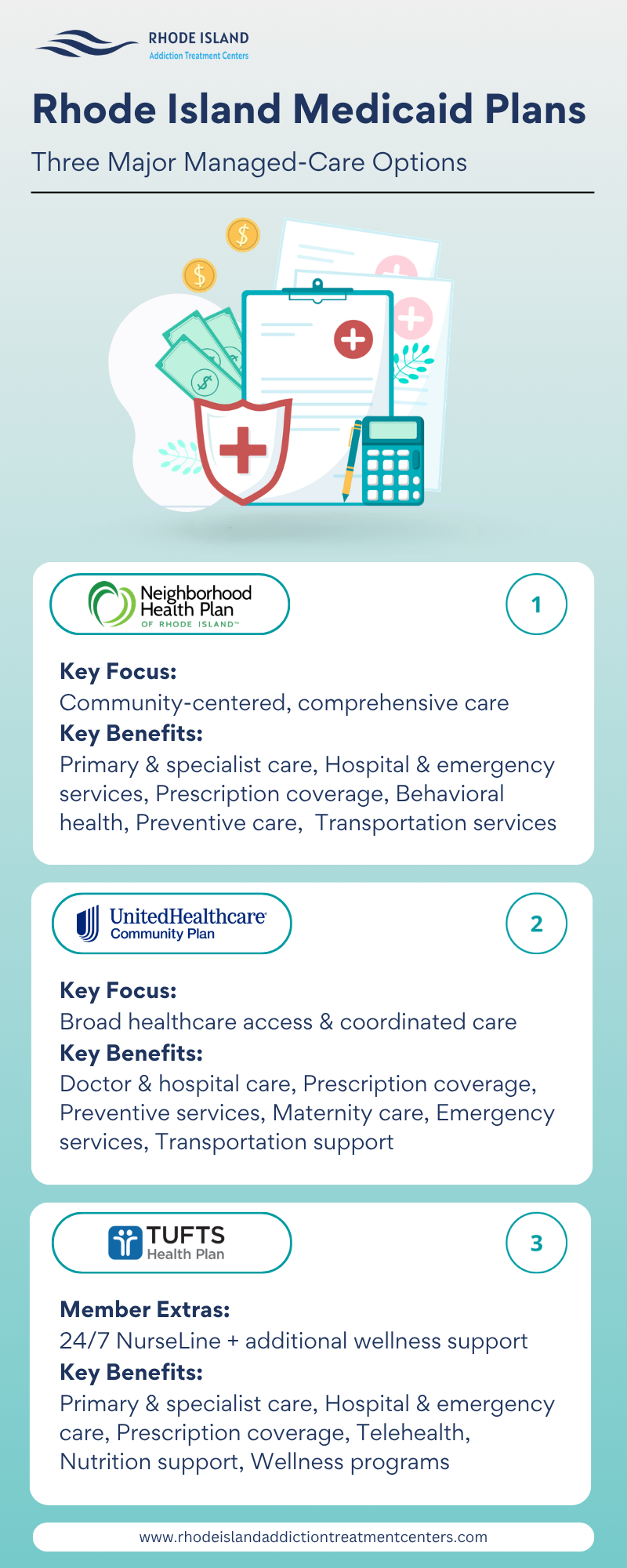
Neighborhood Health Plan Addiction Treatment is a health insurance organization that provides coverage to eligible Rhode Island residents. It includes benefits ranging from low-cost to no cost, depending upon the level of treatment needed by the patient. The coverage helps you reduce some of the costs associated with treatment.
It is important to verify your insurance coverage before starting addiction treatment. You can start by taking an initial assessment to understand your treatment goals and the level of care you require. Next, review your plan’s coverage and benefits to understand which services can be included. Finally, verify your benefits with the health plan and treatment provider before starting the care. After that, you will have a clearer picture of which treatment services can be covered and what you have to pay.
Does the Neighborhood Health Plan of Rhode Island Cover Addiction Treatment?
Addiction treatment is covered under the Neighborhood Health Plan of Rhode Island. It can depend on the member’s specific insurance plan, treatment needs, and level of care recommended by a provider. There are several factors that affect what services are covered, including whether the treatment is in-network or out-of-network.
For example, coverage can apply differently to outpatient treatment, Intensive Outpatient Programs (IOP), Partial hospitalization, or other levels of treatment. It depends on the cost and level of treatment a patient needs.
The insurance does not necessarily cover the whole cost of treatment because there are some limitations – such as copays, deductibles, coverage limits, and other expenses that still apply.
Types of Addiction Treatment That Can Be Covered
Everyone has a different level of addiction, and not only one treatment plan that can be assigned to each. After the declaration of treatment and level of substance addiction, you can proceed with the assigned treatment. According to the patient’s condition and mental health, the expert assigned outpatient treatment, including IOP and partial hospitalization treatment, under insurance cost criteria.
1. Outpatient Addiction Treatment
Outpatient addiction treatment is recommended for people with mild to moderate substance use disorder. The patient can continue staying at home while receiving professional support.
- Completing a substance use disorder assessment
- Creating an individualized treatment plan
- Attending individual counseling and group therapy
- Monitoring progress based on recovery goals
- Aftercare support
2. Intensive Outpatient Programs (IOP)
An Intensive Outpatient Program (IOP) provides a more structured level of addiction treatment than traditional outpatient care while allowing individuals to continue living at home.
IOP treatment focuses on:
- Following a structured treatment schedule several days each week
- Participating in individual and group therapy
- Learning coping and relapse-prevention skills
- Receiving support from qualified treatment professionals
- Managing recovery while continuing work, family, and daily responsibilities
- Developing an aftercare plan for continued support
The length and frequency of an IOP can vary based on the individual’s treatment needs and recovery goals. The treatment also includes medication management and therapy such as CBT, DBT, or Trauma-focused therapy.
3. Partial Hospitalization or Higher Levels of Care
Partial hospitalization is recommended for people who need more support than an Intensive Outpatient Program (IOP). It can be provided when symptoms are more severe or when someone needs monitoring but does not need 24-hour hospitalization.
PHP offers more intensive and structured treatment that includes:
- Consistent treatment sessions for patients, such as therapy and medical check-ups.
- Sessions can be for several hours a day and multiple days each week.
- A mental health team regularly monitors your progress, symptoms, and medication dose, along with your stability.
- The structured therapeutic sessions help you to address substance use addiction and underlying emotional challenges. If you have a dual diagnosis, then the treatment will include both: therapies and medication.
- There will be coping skills sessions and also relapse prevention strategies in workshops.
What Factors Can Affect Your Addiction Treatment Coverage?
Addiction treatment coverage depends on the patient’s health plan and the type and level of treatment they need. There are some factors that you must consider while availing insurance coverage.
1. Medical Necessity
Medical necessity is one of the main factors in determining addiction treatment coverage for a patient. The health plan checks the patient’s diagnosis and current condition to see if the recommended treatment meets the criteria. For that, you need to review these things.
It includes
- The patient’s diagnosis and severity of symptoms stated by a mental health professional
- The history of substance sse and current emotional condition
- Any previous treatment and stress recovery history
- The level of treatment recommended by the healthcare professional
- The treatment plan and services requested
- Whether the requested treatment fulfills the health plan’s medical criteria
2. In-Network Vs. Out-of-Network Providers
In-Network: They provide treatment based on your insurance plan, so your costs depend on the treatment you need. In-network care helps you lower the costs and provides better coverage.
Out-of-Network: The insurance manager reviews your documents and checks whether the treatment can be covered under the network or not. After that, if there might be some treatments your patient need do not fall under the network plan, then you will be considered “out-of-network” and pay for some treatment.
3. Prior Authorization
Some addiction treatments require prior authorization, which means the insurance plan must approve the treatment before it begins. The insurance company reviews the doctor’s recommendation and treatment plan to decide if the service is covered or not.
4. Your Specific Plan
Every insurance plan is different because of benefits, deductibles, copays, and coverage rules. Your coverage depends on the type of treatment you need and whether the provider is available in-network or out-of-network. Always check your specific plan to know what is covered and how much you need to pay.
How to check whether your treatment is covered?
People often wonder how to check whether their treatment is covered or not. Before starting treatment, you can follow a few simple steps to verify your coverage.
- Check your insurance ID card and health plan documents to know about the benefits you can use.
- You can call your health plan and ask whether the treatment you need is covered.
- Ask if your treatment center is in-network and whether you will have to pay any additional costs.
- Then, confirm the level of care, such as outpatient or inpatient treatment, based on your mental health recommendation.
- Also, ask about prior authorization, copays, deductibles, along with any costs you have to pay.
- After that, you can contact the treatment provider and ask their team to verify your insurance benefits and explain the admission process.
Next Step to Get Neighborhood Health Plan
Understanding your addiction treatment coverage can make your treatment process very easy. It helps you avoid unexpected costs of treatment by offering the Neighborhood Health Plan of Rhode Island. This helps you by providing coverage for addiction treatment, along with benefits and a specific plan.
The addiction treatment coverage can depend on several factors, starting with a professional assessment of your condition. Based on the diagnosis, your healthcare provider recommends the right level of treatment with the insurance plan. Your cost also depends on whether the provider is available in-network or out-of-network. You can also ask your insurance plan about low-cost or zero-cost options and your eligibility to avoid unexpected expenses.
If you or someone you love is struggling with substance use and worried about the cost of addiction treatment, then do not let financial concerns stop you from seeking help.
Contact our team at Clover Behavioral Health to learn more about addiction treatment and the coverage process.