
Why Waiting to Get Treatment Makes Addiction Worse?
Drug addiction gradually finds its footing, and once it does, uprooting it is extremely challenging. First, it weakens your self-control, and even if you want to quit using drugs, it feels practically impossible. Then, it brings along shame and stigma, which can force you to keep your problems concealed instead of asking for help. And lastly, drug addiction treatment sounds very painful to those who haven’t experienced it, and hence, they keep delaying it.
But whatever problem you’re facing, delaying addiction treatment is the worst thing for someone fighting substance dependence. The longer you consume these drugs without medical and expert intervention, the harder its detox phase feels, which can eventually discourage you. And besides the treatment becoming more physically draining, this delay can have many other side consequences. But this isn’t to say that starting treatment late wouldn’t help at all; it only means that you’ll have to work harder for the results to materialize.
This article explains in detail why waiting to get treatment makes treatment worse, so you can make prompt decisions. Keep reading to improve your situation ASAP.
Costs of Delaying Addiction Treatment
Experts’ timely intervention helps in harm reduction and prepares you for proper addiction treatment. But if you don’t seek help, this problem will progress and require more effort to be fixed. That said, here is why waiting to get treatment makes addiction worse:
Deteriorating Physical Health
Your body reacts to what you consume, so even if you’re planning to get help, it’ll show the results of what you’re currently doing. If you delay addiction treatment, the substance will continue wearing your organs and straining your heart. This physical toll might slowly push your body towards a condition from which returning might not be possible.
Notably, this severe physical health deterioration happens gradually. For instance, opioids slow your breathing and constantly pressure your heart. Similarly, stimulants like meth and cocaine spike your blood pressure and age your cardiovascular system. Put simply, by the time you realize substance abuse is damaging your physical health, reversing it will be 100 times harder.
Besides declining health, your tolerance level also impacts the results of addiction treatment. If you’re delaying addiction treatment, it means there is more substance in your system with each use, and you’re growing immune to those levels.
Needless to say, this physical deterioration compounds with time, and treatment efforts don’t show as impressive results as expected.
Strain on Mental Health
Drug addiction rewires how your brain handles emotions like stress and happiness. If you continue without treatment, that rewired system sets in deeper, and it becomes even harder to feel without your typical substance hit.
In simple words, most drugs hijack your brain’s dopamine system, which is responsible for motivation or pleasure. When the drug hits continue, the brain stops naturally producing dopamine and relies on the substance. Therefore, experts say that untreated addiction may drag anxiety and depression along with it because the brain chemistry has consistently been overridden.
Delaying addiction treatment also worsens the situation because you use more to cope with the stress. Eventually, the time without treatment gives these patterns more foot space to harden. Therefore, getting help is crucial to protect your mental health because it helps your brain relearn how to function without the substance.
More Painful Withdrawal
Here’s how addiction impacts you: Your brain adjusts its chemistry around the drug’s presence. Your sleep, mood, appetite, and energy levels start relying on the artificial dopamine levels received from the drugs. And when they are absent, the natural production doesn’t make you feel normal. You chase that inflated dopamine high and stay stuck in the cycle of use-and-regret.
If you stop using drugs early, your body can rebalance without much trouble. But if the habits are set deep, you practically can’t function without the substance, and stopping its use will mean a painful withdrawal. The common symptoms of withdrawal include nausea, muscle pain, and seizures, among others.
Hence, what would’ve been a rough few days becomes a medical emergency because of delaying addiction treatment. This painful phase is also why unsupervised withdrawal often fails.
Financial Burdens
Addiction is expensive as it is, and delaying treatment only adds fuel to the fire. For example, untreated addiction chips away at your ability to earn. Chronic addiction might make you miss shifts or impact your work performance, which will eventually cost you your job.
Besides the work aspect, your health costs also increase if there is no proper addiction treatment planned.
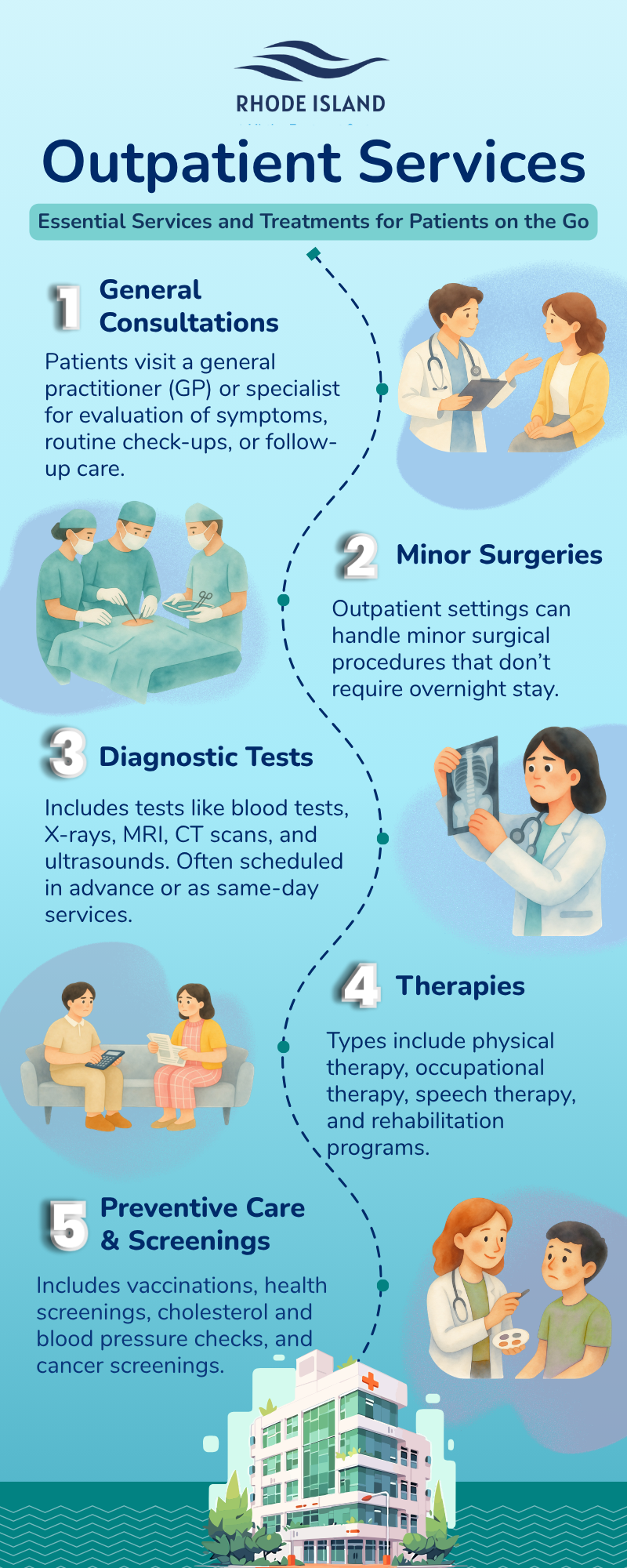
Moreover, treatment also gets more expensive with delay because early-stage addiction responds to outpatient care, which costs less. But if you wait too long, you may need inpatient rehab, medical detox, or extended care to address the more serious physical and psychological damage. Not to mention, all these treatment models are costly and physically more exhausting.
Longer Treatment Duration
Early-stage substance dependence can be managed with a shorter outpatient program. However, if addiction has had years to settle, it means it has rewired more of your brain’s reward system and built stronger physical tolerance.
Undoing all of that takes more time than treating a weaker pattern. Experts say that treating deeply entrenched addiction needs a more intensive process to stick, and rushing that process means the underlying dependence was never fully addressed.
In short, the deeper the addiction, the longer and more intensive the treatment required to resolve it.
Take Action Now
No matter when substance addiction caught you in a weak moment, now is the time to get a hold of it. Rhode Island Addiction Treatment Centers encourages families – and YOU – for timely treatment with proper planning so these toxic substances don’t harm any further. Instead of letting this problem keep you tied down, call us at 888-541-4028 and get yourself a brighter future.