
How to Tell if Your Loved One is Ready for Rehab?
According to American Addiction Centers, long-term drug use can result in multiple neurological, mental, and physical problems. For instance, drug addiction can impair one’s decision-making ability, harm their willpower, and make them seriously demotivated.
Now imagine someone who has been doing drugs for a long time; they’ll naturally have weaker willpower and low motivation to do something new, let alone commit to proper treatment. If you force this person into rehab, they might pretend to complete it for your sake, but it wouldn’t do any good in the long run.
On the other hand, a person who acknowledges they need addiction treatment if they want to save their life will be more committed and present about it.
Therefore, you must learn the signs someone is ready for rehab and then help them plan a viable recovery journey. Not sure how to tell if your loved one is ready for rehab? We hear you; keep reading for the important signs.
Why Being Mentally Prepared for Rehab is Compulsory
If you’re injured, the doctor will treat the wound and prescribe medicines to help with recovery. Even if you’re mentally down during that treatment and aren’t actively participating, the medicines will still do their job and help treat the physical injury.
However, one cannot be half-hearted about drug rehab and mental health treatment because they require your acknowledgement and efforts. Here are some reasons why one must be mentally ready for rehab to properly work:
Addiction Eats Your Willpower
Most drug users understand that these substances are harmful, but still cannot quit because of insufficient self-control. Besides being extremely addictive, these substances also change your habits and promises to yourself.
For instance, you might have tried multiple times to stop doing drugs already but failed. And if another rehab is proposed to them, feeling confident about it wouldn’t come easily.
Therefore, addiction treatment experts want the patients to be mentally accepting and present. Otherwise, they’ll join with an already weak willpower and might not give their best.
Treatment Efforts Work Better When the Decision is Informed
If a person is forced into rehab, they may see it as punishment and not show enough commitment. But if they start treatment with full clarity, they participate in recovery efforts more and can even get better in a shorter time. Also, experts suggest that when you notice the signs someone is ready for rehab, ensure they know how the treatment will work. Put simply, they should understand if it is a residential rehab, partial hospitalization, or an outpatient program, along with their schedules.
You’re More Receptive Towards Positive Lifestyle Changes
Overcoming an addiction requires you to make many lifestyle changes, such as better eating habits, fixing your sleep, maintaining boundaries, and not letting triggers get the best of you.
If you start treatment without feeling ready, you might not take these changes seriously, and the impact will show in the results.
Signs Someone is Ready for Rehab
Educating and preparing a loved one for drug rehab is a monumental task because of this problem’s complexity. At times the patient doesn’t acknowledge their problem, and at other times, they don’t have a helpful system to get out of it. But if this process is done carefully, the struggling person can quite literally get a new life. That said, here is how to tell if your loved one is ready for rehab:
Admitting the Problem
When the drug user doesn’t acknowledge their problem with substance abuse, they don’t commit to recovery either. That denial alone is often the biggest barrier standing between addiction and treatment.
That’s why admitting that they need help is like the first crack in that wall. When a person is ready for rehab, they don’t make excuses like “it’s not that serious,” and instead say something like “I have a problem, and I need help.”
If you closely observe someone struggling with substance dependence, you might notice this change is hard to come by, and when it does, it happens quietly because they feel tired of the repeated cycle.
Addiction Exhaustion
Substance abuse runs on a cycle. You use a drug, don’t admit that you did it, and recover just enough until the craving hits again, and the whole thing repeats. Needless to say, this is an exhausting cycle, and it only breaks when the person living it can no longer sustain the effort it takes to keep going.
That exhaustion is physical as well as mental because it’s almost like managing a double life. So, if your loved one starts sounding tired of their repeated patterns, that fatigue is often the turning point, because it has finally outweighed the addiction.
Registering the Consequences
When someone is deep in addiction, they don’t register how it might be destroying many things in their life. For example, a chronic user might lose their job, damage their relationships, and always feel sick without knowing the cause. But once they register that all these things have to do with substance dependence, they can start recovering.
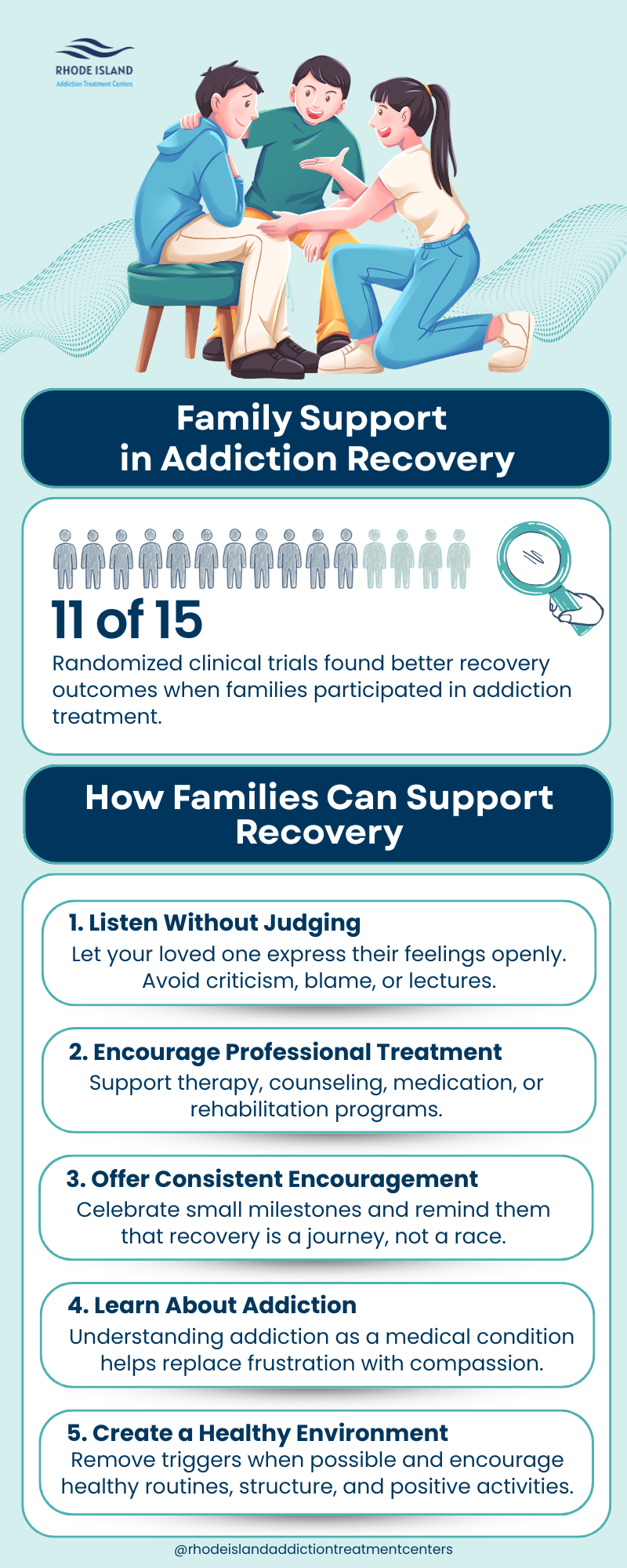
Your loved one starts noticing what they’ve actually lost and connects it directly to their addiction instead of blaming bad luck or other people. Experts agree that this is among the major signs someone is ready for rehab, so be vigilant about this change.
Asking Questions About Rehab
You can weigh one’s willingness from how they talk about overcoming alcoholism or drug addiction.
A person resisting the idea might avoid the topic or only engage with it when cornered. But if they start asking practical questions, i.e., how long does treatment take or what happens during detox, it shows they’re mentally rehearsing a future where they’re in recovery.
You should encourage this curiosity by giving specific answers because clarity builds confidence.
No More Bargaining For Control
Substance users try many things to prove they aren’t controlled by their addiction. They might propose cutting back the doses or choosing one of the many things they consume, but all these are efforts to avoid treatment.
They do so because letting go of control feels like losing, but when your loved one stops bargaining, it means they are ready to trust a structured process instead.
Help Them Get Better
Sometimes it takes a village to break bad habits and reverse severe damage done by drugs. If someone close to you is struggling, educate them about rehab and how it can change their future for the better. They might not feel ready instantly, but if you keep coaching them, they’ll surely see light at the end of the tunnel and try to break this curse.