
Does Medicaid Cover Outpatient Rehab and IOP Costs?
Medicaid outpatient rehab costs may include covered counseling, group therapy, medication appointments and intensive outpatient treatment. Outpatient care lets you attend scheduled sessions, then return home after treatment.
An intensive outpatient program, often called IOP, provides more contact than weekly counseling. You may attend several sessions a week while managing work, family or school responsibilities.
Covered outpatient services may include:
- Substance-use assessments
- Individual counseling
- Group therapy
- Intensive outpatient programming
- Medication follow-up visits
 For a closer look at this level of care, read Does Medicaid Cover IOP in Rhode Island?.
Can Medicaid Help Pay for Detox and Residential Rehab?
Medicaid detox costs may be covered when withdrawal management is medically appropriate. Detox can be needed when stopping alcohol, benzodiazepines, opioids, or other substances may cause serious symptoms.
Short-term residential or inpatient care may also be covered after a clinical assessment. Still, available beds and plan approval rules can affect when admission happens. A treatment team may recommend outpatient care, detox, or residential treatment based on your current health and safety needs.
What Costs Might Medicaid Not Cover?
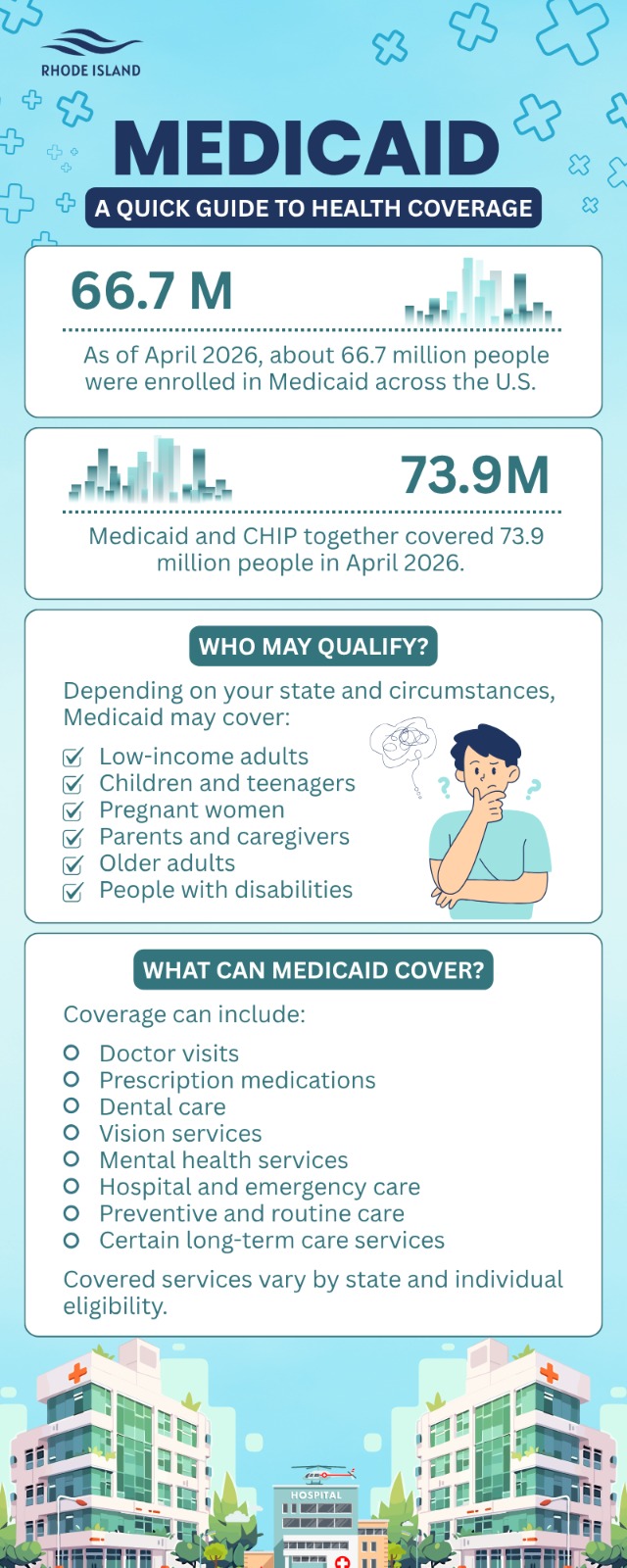
Ask about possible costs before you enter treatment. Medicaid plans may treat room and board differently from clinical treatment services. One Rhode Island Medicaid member handbook lists residential treatment as covered when medically necessary, but room and board is excluded.
Other financial concerns may include:
- Room and board in certain residential settings
- Out-of-network treatment programs
- Transportation or childcare
- Missed income during treatment
- Personal items and optional services
Treatment Type | What Medicaid May Help Cover | Cost Question to Ask |
Outpatient Care | Counseling and medication visits | Does the provider accept my plan? |
IOP | Several therapy sessions weekly | Is approval required before I start? |
Detox | Medical withdrawal support | Is detox medically recommended? |
Residential Care | Short-term treatment services | Is room and board billed separately? |
Medication Treatment | Medication and clinical follow-up | Are pharmacy costs involved? |
Rhode Island Medicaid’s substance-use treatment policy describes covered evaluation, counseling, treatment and rehabilitation services for eligible members.
How Can You Find Out What You Will Pay Before Rehab?
The quickest way to learn your likely cost is to check with both your Medicaid plan and the treatment provider. An admissions team may explain what it can verify. Your plan makes the final coverage decision.
A clinical assessment may also be needed before a provider can recommend the right level of care. For instance, you may have coverage for outpatient treatment, yet residential care could require an added review.
Follow these steps:
- Find your Medicaid card and member ID.
- Call the number on the back of the card.
- Ask if addiction-treatment coverage is active.
- Ask about referrals, approvals, and possible member costs.
- Contact a Medicaid-participating treatment provider.
- Request a written cost explanation when available.
Keep notes during each call. A name, date, and reference number can come in handy if you need to follow up later.
What Does Medicaid Research Show About Treatment Access?
A published study examined how Medicaid expansion affected substance-use treatment across expansion and non-expansion states. Rhode Island expanded Medicaid in January 2014.
After expansion, Medicaid payment for substance-use treatment increased by 12.9 percentage points. Medicaid-reimbursed outpatient prescriptions for substance-use-disorder medications also rose by 43% in expansion states compared with non-expansion states. The study measured system-level changes, so it cannot predict what one person will pay for rehab.
Note: Medicaid may make treatment more reachable, but you should still check your plan and provider details before admission.
How Can You Find Affordable Rehab Near Providence?
If you live in Providence, Warwick, Cranston, East Providence, Newport or a nearby community, compare more than distance. Treatment hours, transportation, Medicaid participation, medication options and available appointments all matter.
Rhode Island Addiction Treatment Centers provides outpatient and intensive outpatient addiction care near Providence. The admissions team can discuss coverage questions and treatment options before you begin.
Ask these questions during your first call:
- Does the program accept my Medicaid plan?
- Can you verify my coverage before I begin?
- What costs might I be responsible for?
- Is transportation support available?
- What happens if I need a higher level of care?
If someone has an overdose, severe withdrawal, a seizure, chest pain, or an immediate safety concern, call 911 instead of waiting for insurance details.
Have Medicaid but no private insurance? Read Can I Go to Rehab With Medicaid and No Private Insurance? to learn how coverage may help you start addiction treatment.
Get Clear Answers Before You Start
Rehab costs with Medicaid in Rhode Island may be much lower than paying privately, but your exact amount can vary.
Your plan, provider, treatment needs, and possible non-covered expenses all play a part. Before you make a decision, verify coverage and ask for a clear explanation of costs.
Rhode Island Addiction Treatment Centers can help you discuss available care in a confidential conversation. You do not need to sort through every insurance detail by yourself.
One call can help you understand the next step.