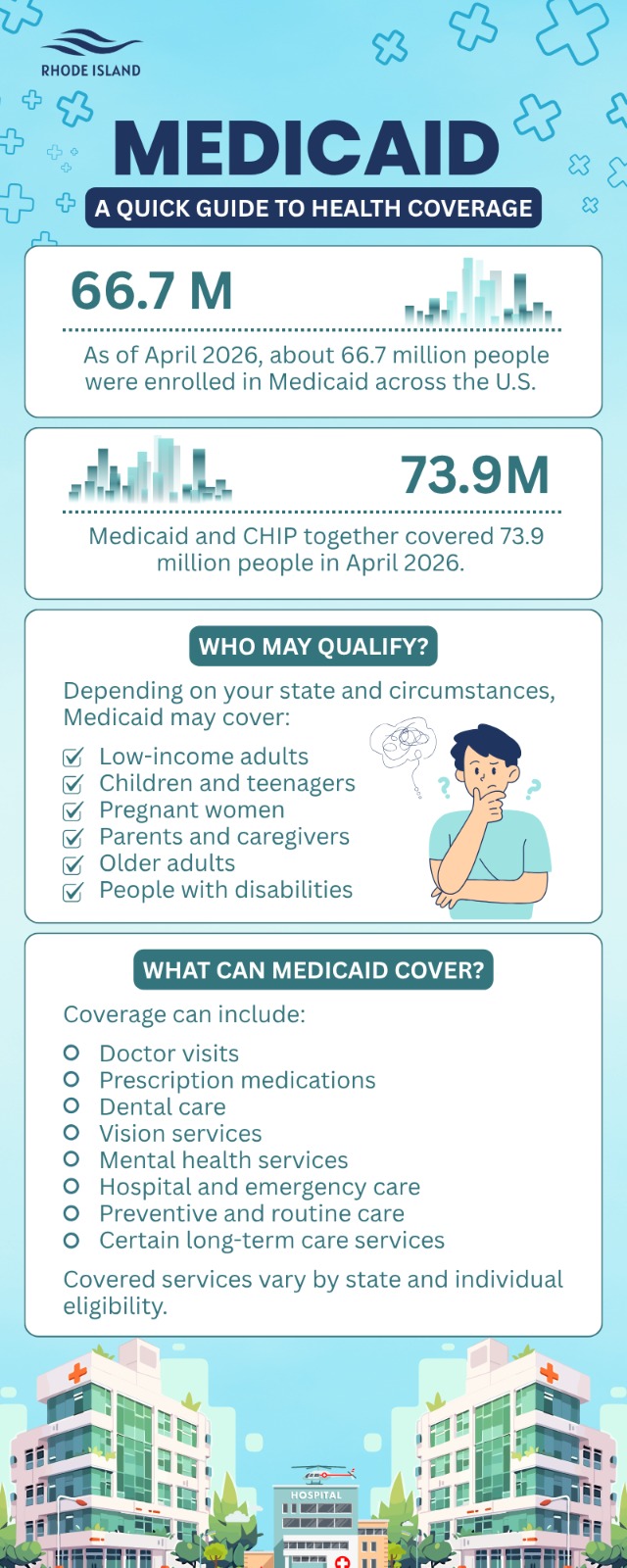
Can Medicaid Cover Residential Rehab or Medication Treatment?
Short-term residential or inpatient treatment may be covered when it is medically appropriate. These programs provide live-in care for people who need close support because of health, safety, or substance-use concerns.
Medicaid may also cover medication treatment for opioid-use disorder. A clinician may discuss medicines such as buprenorphine, methadone, or naltrexone. These medications are often paired with counseling and follow-up visits.
Level of Care | What It May Include | What Determines the Fit |
Outpatient Rehab | Counseling and recovery planning | Daily stability and home support |
IOP | Several treatment sessions weekly | Need for added structure |
Withdrawal Management | Medical monitoring during withdrawal | Current symptoms and medical risk |
Residential Rehab | Live-in addiction treatment | Safety needs and clinical review |
Medication Treatment | Medication and follow-up care | Diagnosis and clinician recommendation |
Rhode Island Medicaid covers evaluation, counseling, treatment, and rehabilitation services for eligible members through qualified providers.
How Do You Check if Medicaid Can Pay for Rehab?
Checking coverage early can save time. Have your Medicaid card ready before calling a treatment provider or your plan’s member-services line. The person on the phone may confirm if your coverage is active and whether a program participates in your network.
Rhode Island adults ages 19 to 64 may qualify for Medicaid expansion if they meet residency, income, citizenship or qualifying immigration-status rules. The state offers application options online, by phone, by mail and in person.eohhs.
- Find your Medicaid card or application details.
- Call the member-services number on the card.
- Ask if addiction-treatment services are active.
- Ask if you need a referral or approval.
- Contact a participating rehab provider for an assessment.
An admissions team can help explain options. However, your Medicaid plan and clinical review process make the final coverage decisions.
What Can Affect Rehab Admission With Medicaid Only?
Having Medicaid does not always mean same-day admission. Coverage and program availability are separate issues. You may qualify for treatment but need a different provider if your first choice is outside the network or has no available opening.
Picture it like finding a seat on a busy train. Your ticket is valid but you still need a route with space. The next step may be an outpatient assessment, medication appointment, detox referral or a scheduled residential admission.
Common factors include:
- Active Medicaid enrollment
- A provider that accepts your plan
- The right level of care for current needs
- Available appointments or beds
- Required referrals or clinical records
- Transportation to treatment sessions
What Does Rhode Island Medicaid Research Show?
A 2024 cohort study examined 238,781 formerly incarcerated people in Rhode Island and North Carolina. Researchers reviewed mortality patterns after Rhode Island expanded Medicaid in 2014.
Rhode Island had sustained decreases in all-cause, drug-overdose, opioid-overdose and polydrug-overdose mortality compared with North Carolina after the expansion. Still, the research found an association. It cannot prove that Medicaid expansion alone caused the changes. The study also reported smaller reductions among racially minoritized groups.
Note: Medicaid coverage can remove a financial barrier, though timely access to quality treatment still matters.
How Can You Find Medicaid Rehab Near Providence?
If you live in Providence, Warwick, Cranston, East Providence, Newport or a nearby community, look for a program that accepts your Medicaid plan and offers the care you need. Location matters but so do program hours, transportation, treatment options and appointment availability.
Rhode Island Addiction Treatment Centers provides outpatient and intensive outpatient addiction care near Providence. You can contact the team to discuss your insurance, current needs and possible next steps.
Ask these questions before choosing a program:
- Does the program accept my Medicaid plan?
- Can I receive an assessment soon?
- Is outpatient, IOP, detox, or residential care recommended?
- Is medication treatment available or referred out?
- What documents should I bring?
Medicaid Can Be Your Starting Point
You can go to rehab with Medicaid and no private insurance. Active coverage, a participating provider, and a clinical assessment will guide the next step. You do not need every insurance answer before making contact.
Rhode Island Addiction Treatment Centers can help you discuss available options in a confidential conversation. If you or someone else faces an overdose, severe withdrawal, or immediate danger, call 911 right away.

 Read Medicaid Outpatient Rehab in Rhode Island: How It Works to learn more about therapy schedules, assessments, and local program options.