
Cocaine Addiction Treatment in Cranston, RI: Breaking the Cycle
Many working professionals and parents in Cranston struggle with cocaine use while trying to keep up with their jobs and family responsibilities. The risk is even greater because the local illicit drug supply may contain fentanyl, which can lead to a fatal overdose even in people who do not know they have taken it. In 2026, public health data showed that fentanyl was involved in over seventy percent of all fatal overdoses in Rhode Island.
Recreational cocaine use now carries an unprecedented risk of accidental overdose for casual users. You do not have to fight the intense psychological exhaustion of stimulant dependency alone.
Rhode Island Addiction Treatment Centers provide specialized outpatient care. We utilize Partial Hospitalization and Intensive Outpatient programs to help Cranston residents break the cycle of addiction and rebuild their lives.
Understanding the Physical and Neurological Toll of Cocaine
How Cocaine Use Affects the Brain Over Time
Cocaine affects the brain’s reward system, making it harder to experience pleasure without the drug. With repeated use, everyday activities that once felt enjoyable may no longer bring the same satisfaction. You may also find it harder to control impulses, manage cravings, or focus on responsibilities. Over time, getting cocaine can start taking priority over work, family, sleep, and other parts of your daily life, making it difficult to break the cycle without help.
Recovering from cocaine addiction takes time, and the right treatment can help you work through these changes. Professional support allows you to address the reasons behind your substance use, learn healthier ways to manage stress, and develop strategies for dealing with cravings. With consistent care, you can gradually rebuild your routine and start enjoying everyday life again.
The Risk of Fentanyl in Street Cocaine
One of the biggest risks of using cocaine from an unregulated drug supply is that you may not know exactly what it contains. Fentanyl and other substances can be mixed into illicit drugs without the user’s knowledge, increasing the risk of an unexpected overdose. This is a serious concern for people in Providence County who use cocaine, particularly because someone taking a stimulant may not realize they have also been exposed to an opioid.
Fentanyl can slow or stop breathing, and an overdose can become life-threatening within minutes. If someone shows signs of an overdose, call 911 immediately and give naloxone if available. Seeking professional treatment can help you address cocaine use and understand the risks associated with an unpredictable drug supply. You do not have to wait for a medical emergency to seek help.
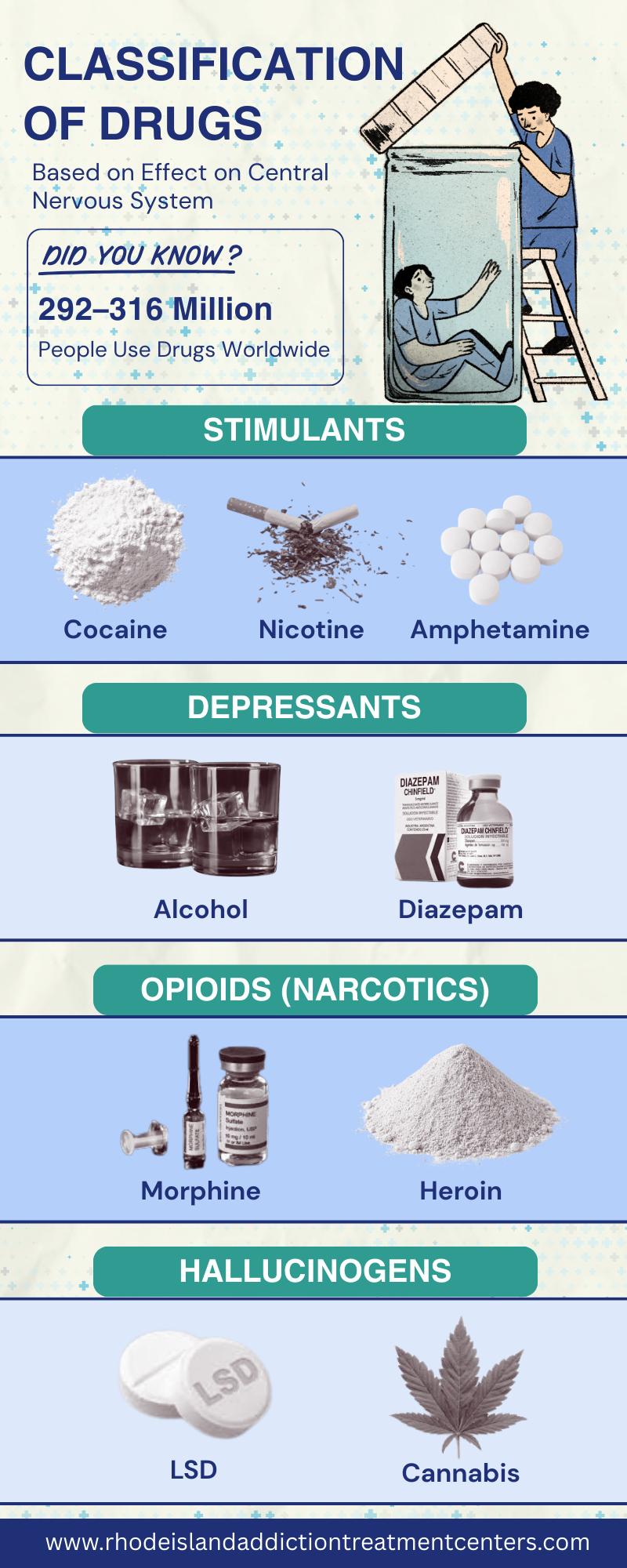
Breaking the Psychological Cycle with Outpatient Care
When Outpatient Treatment May Be Enough
Many people believe addiction treatment [Alcohol Use Disorder in Rhode Island Parents: Confidential Outpatient Options ] requires spending weeks in a residential facility, away from their jobs and families. However, inpatient care is not the only option. Outpatient programs can provide structured clinical support while allowing you to continue living at home and managing your daily responsibilities in Cranston. The right level of care depends on the severity of your substance use, your symptoms, and the type of support you need during recovery.
Being able to stay at home also means you can continue following your usual routine while applying the coping skills you learn during therapy. You can work through challenges as they come up and discuss them with your treatment team during your next session. For many people, this makes it easier to balance recovery with family life and professional commitments without putting everything else on hold.
What to Expect During Cocaine Withdrawal
Stopping cocaine use can lead to a range of withdrawal symptoms, including extreme tiredness, changes in sleep, low mood, and intense cravings. These symptoms can make it difficult to manage work, family responsibilities, and everyday activities, particularly during the first few days of recovery. Without the right support, cravings and emotional distress can also make returning to cocaine use more likely.
Some people experience depression, anxiety, or other significant mental health symptoms during withdrawal, and these can continue beyond the initial crash. Professional support can help you manage these changes and recognize when additional treatment is needed. At Rhode Island Addiction Treatment Centers, your treatment team can assess your symptoms and help you find an appropriate level of care, giving you support as you work through withdrawal and focus on your recovery.
Treatment Options for Cranston Residents
Private, Comfortable Care That Fits Your Life
For working professionals, parents, and anyone concerned about their privacy, choosing the right treatment setting matters. Our mental healthcare facility offers a comfortable and supportive environment where you can focus on your recovery without the pressure of a typical hospital setting. You receive care in a setting that respects your privacy while helping you work through the challenges associated with cocaine use.
Having access to professional support close to home can also make it easier to stay connected with your family and community during treatment. You can continue working on your recovery while building healthier habits and learning how to manage everyday stress. With the right treatment plan and ongoing support, you can take practical steps toward maintaining your progress over time.
Take the First Step Toward Recovery
Cocaine addiction can affect your health, relationships, and ability to manage daily responsibilities, but getting help can make a difference. With appropriate treatment and ongoing support, you can work toward recovery without facing these challenges alone. The first step is finding a treatment program that understands your needs and helps you determine the right level of care.
Contact the admissions team at Rhode Island Addiction Treatment Centers to discuss your treatment options and arrange a confidential evaluation. The team can also help you understand available scheduling options and verify your insurance coverage. Call 888-541-4028 or visit rhodeislandaddictiontreatmentcenters.com to learn more about the available programs and take the next step toward recovery.