
How Addiction Changes the Brain Over Time
The human brain is central to everything we do, feel, and seek. It has been the same since the beginning, but the environment around it keeps changing. For instance, during simpler times, your brain’s main focus would be survival and shelter, so that’s what it’d work around. And if you accomplished these core things, you’d feel happy and relaxed.
But in today’s more complicated environment, we introduce our brain to different emotions and feelings that can reinforce certain habits. Put simply, if you consume something addictive or repeat an activity while knowing it’s not good, your brain gets used to it and living without it is difficult.
That said, despite today’s complexities, the brain remains the same 3-pound grey and white mass wired to perform certain duties. If you want your brain to retain its natural and safe functions, learning how addiction affects the brain is important. Therefore, this article explains the link between addiction and your brain to clear the bigger picture. Keep reading so you don’t let your brain be controlled by external sources.
The Dopamine Game
Let’s go to the basics first. Our brain has a reward system meant to reinforce positive behaviors by releasing particular chemicals. For instance, if a starving person eats, they feel satiated, and the brain’s reward system releases dopamine, a feel-good chemical. The brain associates eating with a satiating feeling and releases dopamine whenever you repeat everyday pleasurable activities, i.e., eating, resting, spending good time, etc.
However, when you get addicted to something, your ability to feel good is now associated with that particular thing. Also, these addictive things stimulate a much higher dopamine release in the brain. Put simply, if you use cocaine or opioids, your system will be flooded with a dopamine surge, and you’ll feel elated.
You will become habituated to this artificially high dopamine flooding, and normal activities won’t feel pleasurable. Also, the brain compensates for this exaggerated dopamine surge by reducing the number and sensitivity of its receptors, according to Stanford Medicine. As a result, it becomes harder for you to feel happiness because the system is practically desensitized.
It’s also worth noting that most people continue using drugs to experience that first feeling because now it isn’t the same because of receptors becoming numb. They feel forced to stay in this loop because leaving it will be painful and exhausting.
How Addiction Affects the Brain
Our brain’s dopamine system has remained largely unchanged over time, but what we expose it to keeps changing. As explained earlier, back in the day humans’ main motivators were shelter and survival, so these extra problems didn’t faze them much. But in this era of abundance and easy access, we’re being exposed to more and more addictive substances.
From spending hours doomscrolling to consuming dangerous drugs like heroin and fentanyl, the triggers are endless. Here is how addiction affects the brain:
Reduced Impulse Control
The prefrontal cortex is a part of your brain responsible for decision-making and impulse control. Every decision you make passes through it; it weighs the consequences and stops you if something feels off. But when you’re addicted, this part keeps getting weaker, and its activity drops with time, especially when you have a craving to use the drugs.
This change is also the reason people relapse even if they genuinely want to quit because their brain is literally weak after all the drug abuse. So much so that choices that once took no thought, like walking past a bar or saying no to a hit, now feel huge.
Memory and Learning Problems
The hippocampus is your brain’s memory center, and it’s also one of the first areas affected by chronic drug addiction. At first, the signs will be small, like forgetting what you did yesterday or losing focus mid-task, but it only gets worse from there. Notably, drugs interfere with how neurons connect and communicate, and memory depends on those connections staying intact. So after long-term drug abuse, it isn’t uncommon for memory problems to appear. But luckily, this damage isn’t always permanent, and sustained recovery efforts can help the brain rebuild some of these pathways.
Increased Tolerance to Toxic Substances
When the brain adjusts to a drug’s constant presence and dulls its response to it, tolerance builds. The result? The same drug dose stops working, and you need more to feel normal again because remember how addiction reduced your ability to feel happy from normal life things?
If this cycle repeats, the tolerance becomes dangerous because the body’s ability to handle a substance doesn’t grow at the same rate as the amount being taken. Overdoses happen because of that gap and can be fatal. Needless to say, increased drug tolerance is a sign that the brain has started adapting to something it was never meant to process.
Dependence and Withdrawal
People stay stuck in the use-and-regret cycle because living without a drug in their system is painful. Once the brain starts needing the substance just to function normally, it means the dependence has set in and rewired the brain’s chemistry. If you take the drug away, that balance collapses and results in a difficult withdrawal.
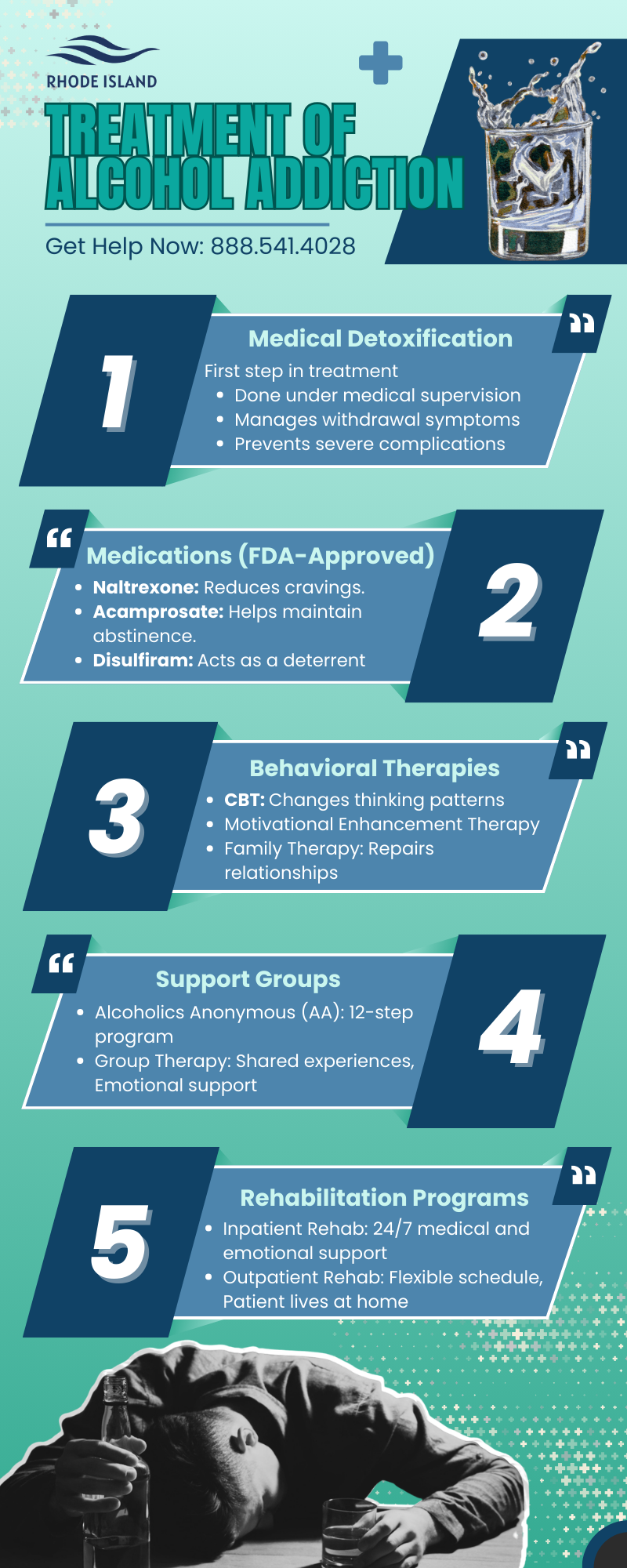
Drug withdrawal symptoms can range from nausea and shaking to anxiety, insomnia, and intense cravings, depending on what you use. But whatever symptom you experience, it’s the brain scrambling to function normally after being forced to something abnormal for so long. Withdrawal is often the real reason people can’t quit, not a lack of willpower. Medical support during this stage makes the process far safer.
We Can Reverse the Damage
Drug addiction is among the hardest things one can come out of because of how it changes you mentally. But if you’re dedicated and have expert help on your side, you can beat it for a better future. Rhode Island Addiction Treatment Centers aim to make rehab as manageable as possible so it doesn’t overwhelm you. So don’t delay it anymore; reach out to us and let’s figure this out together.