
What Happens After You Call a Rehab in Rhode Island? Step-by-Step Guide
The first phone call to a rehab center is sort of a big event. You can keep your cell phone in your hand for hours before pressing the call. Then it’s on to a new question, right away.
Now what?
Most people think immediate treatment is necessary. Some people are concerned that they will be pressured into checking in right away.
This is not typically the case.
The majority of addiction treatment delays occur after, and not before, the initial phone call.
In this guide, we’ll concentrate on one area: the events that occur between your initial rehab call and your entrance into rehab in Rhode Island.
If you know what to expect, it’s not so frightening.
The Importance of the Period Following The First Call
Lots of people are lost in the intake.
Studies indicate that there is a high drop-out rate from addiction treatment between the first contact and being enrolled in treatment.
A large study in the United States revealed that approximately 45% of individuals are not engaged before and after the first request for treatment.
This leaves almost half of them not going to the next step. Most often, it’s not because they “changed their minds.
Life gets busy.
Calls get missed.
Paperwork feels stressful.
That is why it’s important to know what is to come.
Step 1: Someone Talks With You, Not About You
Typically, the initial follow-up is a brief intake discussion.
This is NOT an interrogation. No one expects to get it all right.
Typical questions staff ask:
- What drugs are you addicted to?
- Have you been treated in the past?
- Do you feel safe at this time?
- What type of insurance do you have?
The aim is to grasp your situation promptly.
They might also ask questions about your daily routine, such as if you have children, if you live near WaterFire Providence, if you commute through Providence traffic, etc.
This discussion does not take as long as one might think.
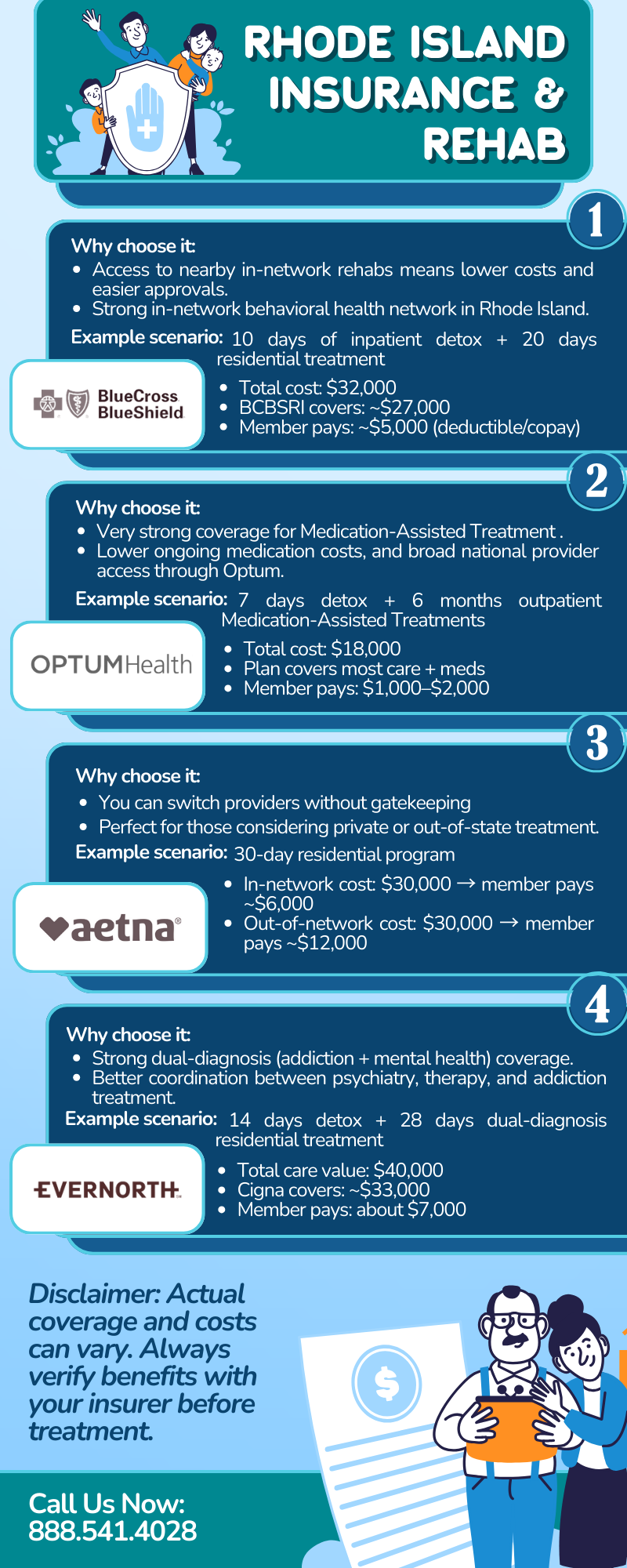
Step 2: Insurance Verification
People tend to think that nothing is going on at this stage.
However, the staff members typically start the process of verifying coverage and treatment eligibility in the background.
The verification process for insurance can impact timelines in ways that people may not realize.
These are things you might need to provide:
- Insurance card details
- Date of birth
- Emergency contact information
- Previous treatment history
This is an administrative step, but advances treatment.
Step 3: Take an Assessment
Once you have been taken in, you will be assessed.
This step helps you to decide at what level of care you need.
You may discuss:
- Current substance use
- Mental health concerns
- Daily responsibilities
- Physical symptoms
- Recovery goals
Studies found the median time between initial treatment request and assessment was six days.
This is the reason why it’s important to follow up early. Assessment is not about a pass or fail grading.
It aids in developing a plan that is successful.
Step 4: Treatment Recommendations Are Made
Typically, suggestions can be given rapidly once the assessment has been completed.
Not all individuals are enrolled in the same program.
Treatment may include:
- Outpatient care
- Intensive outpatient programs (IOP)
- Residential treatment
- Medication-supported care
Over the past few years, Rhode Island has made a huge effort to increase access to medication-based treatment.
The statewide prevalence data estimated 12,700 Rhode Islanders started opioid treatment at one time.
That indicates that treatments can vary widely from one individual to another.
Step #5: Scheduling Starts & Momentum Matters
It is quite an easy stage, yet it is problematic for many.
It’s a common misconception that treatment automatically starts after the assessment.
Typically, there must be coordination of the scheduling.
You may receive:
- Start dates
- Appointment times
- Program instructions
- Preparation information
Research found the median time from assessment to treatment enrollment was eight days.
Many individuals stop responding during the waiting period.
Fast communication matters.
If You Feel Scared or Unsure?
It’s a normal and common feeling.
Often, people fear that they have said the wrong thing when they are taken in.
Some people are afraid that treatment will turn their lives upside down.
It’s easy to find people online who talk about how easy treatment was for them.
One person described the intake as primarily being simple questions and conversational support – not pressured.
It’s more important to be there than to say it right.
Rhode Island Life Does Not Stop During Recovery
Healing occurs along with everyday life.
One of the people involved working near The Breakers might require evening scheduling.
Outpatient flexibility is required for someone who is commuting along I-95.
In some ways, it’s easier since Rhode Island is a smaller state, but there is still a balance to be struck between treatment and daily life.
Programs should fit into your life, not the other way around.
What If You Needed Help Sooner?
Sometimes it’s not possible to wait even a few days.
Help and support are available for crisis and immediate needs in Rhode Island.
BH Link, East Providence, offers walk-in behavioral health services 24 hours a day.
A statewide hotline for eligible patients to access buprenorphine treatment is also available in Rhode Island.
Rapid assistance is available in the meantime extended treatment is being arranged.
How Rhode Island Addiction Treatment Centers Can Support Patients in Making Progress
The purpose of Rhode Island Addiction Treatment Centers is to assist individuals in passing through the process without undue confusion.
Patients are supported in the intake process, insurance-related questions, treatment options, and scheduling.
Getting people into treatment is not the only focus.
It’s assisting them in maintaining engagement following that initial difficult call.
The First Call Is Just the Beginning
Don’t think of rehab as forever.
It’s just a matter of taking the next door open.
Call is followed by intake, assessment, planning, and support.
When you know what to look forward to, it seems less overwhelming.
After the initial telephone call, Rhode Island Addiction Treatment Centers guides patients through each step that follows.
You’ve already made the toughest step in reaching out.
The steps that come next don’t have to be difficult.