
Comprehensive Guide To Heroin Addiction Treatment Rhode Island
“Recovery is not a straight line. It is a series of small, brave steps that add up to a new life.”
Rhode Island has felt the weight of the opioid crisis for years. Fentanyl has made the stakes higher than ever. Every town in the state has recorded an overdose. In 2024 more than half of overdose deaths involved illicit fentanyl. The good news is that real help exists close to home.
Heroin addiction treatment Rhode Island gives people practical paths out of active use. It blends medical support with therapy and long-term planning. This guide explains what works, how local programs operate, and what to look for when you or someone you love needs care right now. You do not have to figure it out alone.
The Current Landscape Of Opioid Misuse In Rhode Island
Rhode Island continues to see the effects of opioid misuse across every community. Recent data from the Rhode Island Department of Health shows progress. Overdose deaths dropped in 2024 compared with prior years. Still, the problem remains serious because fentanyl now dominates the supply.
Here is what the numbers and patterns tell us today:
- Fentanyl Contamination: Over half of overdose deaths in 2024 involved illicit fentanyl. Many street samples contain this powerful synthetic opioid mixed with other drugs.
- Local Hotspots: Cities such as Providence and Woonsocket continue to report higher numbers of emergency calls related to opioids.
- Demographic Shifts: Opioid use disorder touches people of all ages. Young adults, working professionals, and older adults all appear in the data.
- Statewide Reach: Every single city and town in Rhode Island has experienced at least one overdose. No community is untouched.
- Ongoing Risk: Illicit fentanyl has also shown up in stimulants like cocaine and counterfeit pills. This creates danger for people who never intended to use opioids.
These facts show why fast access to heroin addiction treatment Rhode Island matters. The sooner someone connects with care, the better their chances become.
Evidence-Based Heroin Addiction Treatment Options In Rhode Island
Effective care for heroin addiction usually follows a clear path. It starts with safety and moves toward lasting skills and support. Rhode Island offers several evidence-based options that work together. Many people begin with medical help to manage withdrawal, then step into therapy and medication support.
Local programs focus on what fits real life. Some people need short-term structure while others do well with flexible outpatient schedules. The key is matching the right level of care to the person’s current needs and responsibilities.
Medical Detox Programs For Heroin In RI
Medical detox gives the body time to clear heroin safely under professional watch. It is often the first step when someone has used heavily or fears severe withdrawal. Staff monitor vital signs and ease discomfort so the person can focus on the next phase of recovery.
Common symptoms managed during this stage include:
- Intense muscle aches and bone pain
- Severe nausea, vomiting, and stomach cramps
- Insomnia and restless legs
- Anxiety, irritability, and strong cravings
- Sweating, chills, and goosebumps
Detox alone does not fix the deeper reasons behind use. It simply creates a safer starting point. After stabilization, most people move into counseling or medication-assisted treatment to keep momentum going.
Medication-Assisted Treatment (MAT) For Opioid Recovery
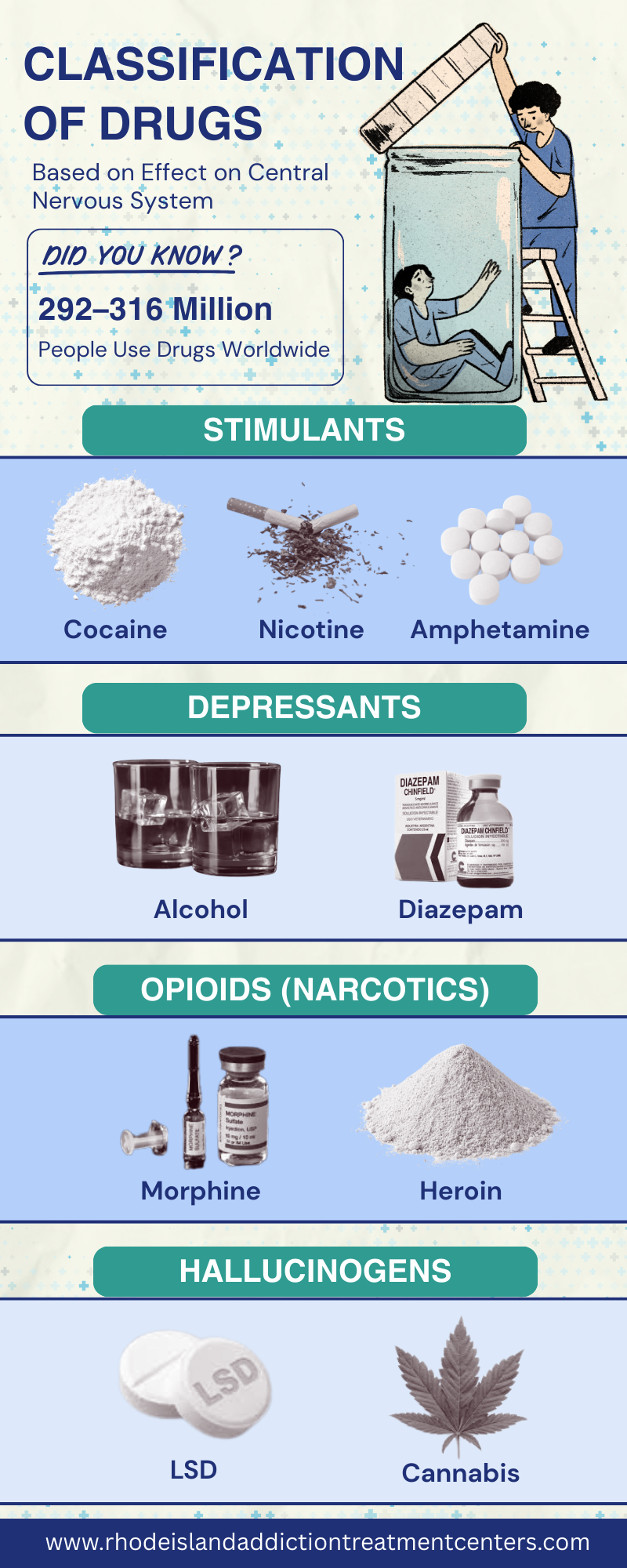
Medication-assisted treatment combines FDA-approved medicines with counseling. It reduces cravings and lowers the chance of return to use. Rhode Island clinics and qualified doctors offer these options. Here is a simple comparison of the main medicines used locally:
Medication | How It Works | Typical Setting |
Methadone | Full opioid agonist that eases withdrawal and cravings | Specialized SAMHSA-certified clinics |
Buprenorphine (Suboxone) | Partial agonist that reduces cravings with lower misuse risk | Office-based doctors or outpatient programs |
Naltrexone (Vivitrol) | Opioid blocker that stops any opioid from working | Monthly injection after full detox |
Many people in Rhode Island do well on buprenorphine because it can be started in different settings and allows normal daily routines. Always work with a provider who understands local rules and can prescribe safely.
Inpatient Vs Outpatient Rhode Island Heroin Rehab
Some people need the structure of a residential program for 30 to 90 days. Others do better staying at home while attending treatment several times a week.
Intensive Outpatient Programs (IOP) give strong support without requiring someone to pause work or school. These programs usually meet three to five days a week for a few hours each day. They include group therapy, individual counseling, and skill building. Many working adults choose this route because it lets them practice recovery skills in their actual environment right away.
Residential care offers 24-hour support and removes daily triggers for a set period. It works well when home life feels too unstable or when someone has tried outpatient care before without success. The right choice depends on medical need, home support, and personal goals.
Real-World Case Study: The Impact Of Localized Recovery
Rhode Island created a strong public health approach that connects emergency rooms directly to ongoing care. Hospitals began offering buprenorphine right in the ER after an overdose. Staff then linked the person to a treatment program before they left the hospital.
This simple change made a big difference. More people stayed in treatment at the 30-day mark. The model showed that meeting someone at their lowest point with immediate help increases the odds they will continue care. It turned a crisis moment into a doorway toward heroin addiction treatment Rhode Island that actually sticks.
The lesson is clear. When systems work together, recovery becomes more reachable for real people in real towns.
How To Choose The Right Rhode Island Heroin Treatment Center
Picking the right program feels overwhelming when you are scared or exhausted. Focus on a few practical checks before you decide.
- Accreditations: Look for The Joint Commission or CARF certification. These show the center meets high standards for safety and care quality.
- Insurance Verification: Make sure the program accepts major regional providers such as Blue Cross Blue Shield of Rhode Island, Tufts, or UnitedHealthcare. Confirm your specific plan before admission.
- Aftercare Planning: Strong programs help with sober living options and alumni groups. Recovery does not end on the last day of treatment.
- Medication Access: Ask whether they can connect you with medication-assisted treatment and medical providers who understand opioid recovery.
- Family Involvement: Good centers welcome family education and support when the person in treatment agrees.
Take time to ask questions. The right fit makes all the difference in those first critical months.
FAQs
How Long Does Heroin Addiction Treatment In Rhode Island Typically Last?
Program length varies based on individual needs. Many outpatient tracks run 8 to 12 weeks. Some people step down to less frequent sessions for several more months. Co-occurring mental health conditions or long histories of use may call for longer support. The goal is steady progress, not a fixed calendar.
Will Health Insurance Cover The Cost Of Opioid Rehab in RI?
Yes. Federal rules require most insurance plans to cover behavioral health services at the same level as medical care. Rhode Island follows these mental health parity laws. Coverage details depend on your specific plan. Call the admissions team at any local program. They can verify benefits quickly and explain any out-of-pocket costs before you start.
What Is The Difference Between Heroin Detox And Rehab?
Detox handles the physical part. It helps the body move through withdrawal safely, usually over a few days to a week. Rehab focuses on the mental and emotional side. It teaches new coping skills, addresses triggers, and builds a plan for staying sober long term. Most people need both pieces, often back to back.
Taking The Next Step Toward Recovery
Heroin addiction changes everything, yet it does not have to define the rest of your story. Rhode Island has local resources ready to help you or your loved one move forward with dignity and real tools.
The combination of medical support, therapy, and steady aftercare gives people the best shot at lasting change. You deserve a chance to rebuild. Call Rhode Island Addiction Treatment Centers today at 888.541.4028. Someone is available to answer your questions confidentially and help you explore the options that fit your life. The first call is the hardest, but it can also be the one that changes everything.