
Does Medicaid Cover PHP for Addiction Treatment in Rhode Island?
Healthcare in this country is getting more expensive by the day. Data show that 66.5% of personal bankruptcies filed in the US stem from medical debt, either because of treatment costs themselves or from income lost when one is sick.
When we focus on the drug addiction problem, it’s no wonder why people take so long to ask for help, despite knowing it is a huge problem. Experts agree that the cost and time commitment factors make people delay addiction treatment for a scary amount of time.
But luckily, your health insurance doesn’t exclude addiction treatment and supports you in getting sober. However, the exact extent of insurance coverage always becomes clear when the specifics, such as your plan, treatment facility, and condition severity, are clear.
Before that, we can only provide standard answers; hence, we’re discussing whether Medicaid covers PHP (partial hospitalization) for drug rehab.
If you’re planning addiction treatment, keep reading and go in well-prepared.
Why Do People Incline Towards PHP for Addiction Treatment?
A Partial Hospitalization Program (PHP) is also called day treatment because you essentially stay at the treatment facility for the whole day. And unlike an inpatient stay, you don’t spend the nights there. Instead, you work on the addiction problem during your scheduled (and extensive) day hours and return home in the evening, hence the name ‘partial’ hospitalization.
So when you’re partially admitted in a treatment center for substance abuse disorder, you don’t feel cut off and can be more present in your normal life. That said, here is why people consider PHP for addiction treatment in Rhode Island:
Home Connection
Addiction already steals a lot from you. Your precious time, mental well-being, and family time are all consumed by those evil drugs. So when you decide to treat it by staying at the facility for months on end, it can drift you further away.
In this situation, partial hospitalization allows you to maintain a connection with your home and family without compromising on treatment. When you’re a parent, spouse, or part of a positive family unit, that connection is good for both sides.
Lower Cost
More hours at the hospital mean a higher bill due to overhead and bedding costs. If you’re concerned about that cost, the addiction experts will likely recommend you go for partial hospitalization because its structure is pretty much the same, minus some extra charges.
However, this cost-cutting is only smart if you can avoid triggers at home. For example, if going home every night gives you a chance to sneak in those pills or smokes, it defeats the purpose. So, always be honest about how much you can handle.
More Normalcy
Drugs can alter your sense of normalcy and keep you in a euphoric bubble most of the time. Now, if you pair that with a 24/7 hospital stay (which is standard for inpatient rehab), it’s like moving from one fake reality into another.
That’s why some people choose partial hospitalization: they want to remain part of their normal lives.
Does Medicaid Cover PHP for Addiction Treatment in Rhode Island?
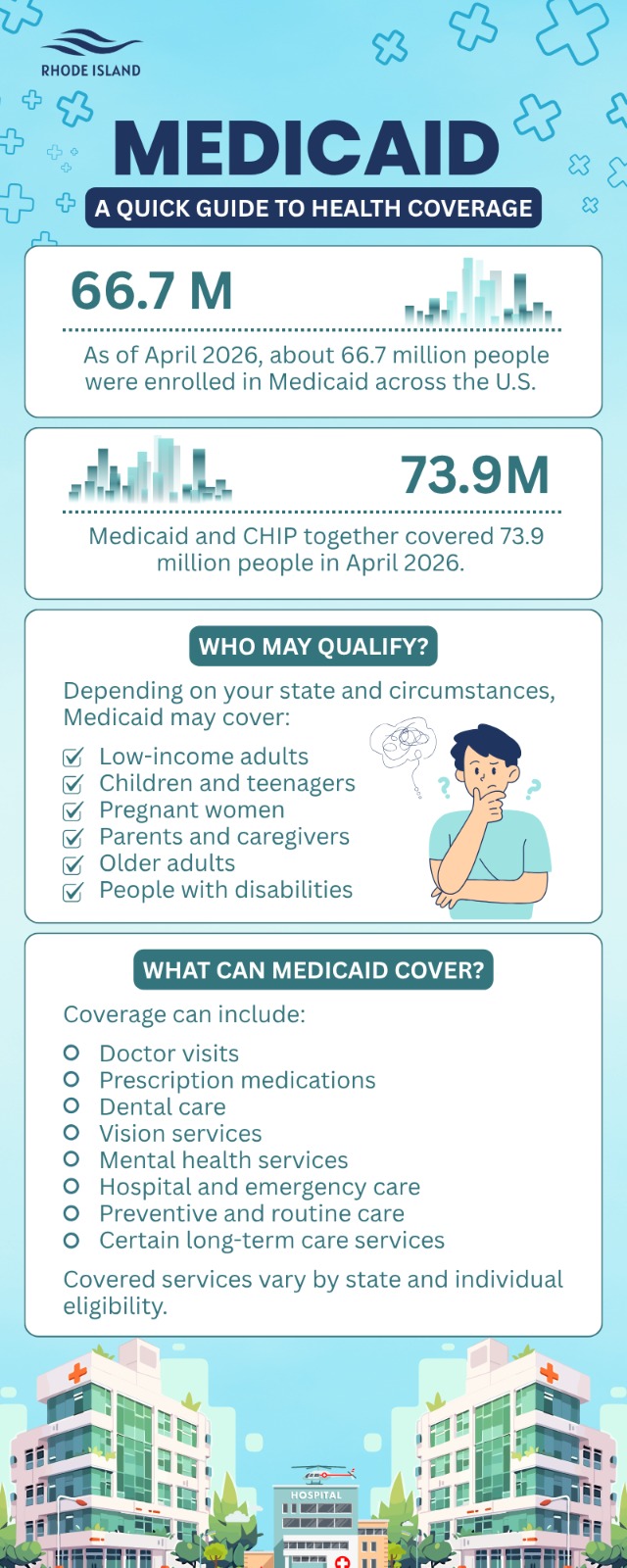
Let’s now answer the main question: Does Medicaid cover PHP for addiction treatment in Rhode Island? Luckily, it does. Under federal laws such as the Mental Health Parity and Addiction Equity Act (MHPAEA), health insurers are required to treat substance use disorder and mental health treatment like any other illness.
In simple terms, this means that if you’re eligible for a Medicaid plan that covers physical ailments and procedures (e.g., surgeries), it must also provide comparable coverage for PHP for addiction treatment. Starting PHP at a credible treatment center provides intensive daily support, including therapy, medical care, guidance, and medication.
Once your set hours are over (which are 4-8 for most treatment facilities), you return home and come back the next day for another fresh treatment session. But because there is a window where you’re unsupervised, i.e., the night, this level of care only works well when you don’t need full-time intensive care but still need a more structured model than weekly therapy.
How Much Coverage Does Medicaid Offer for PHP in Rhode Island?
Medicaid PHP in Rhode Island is often at little to no cost, so the coverage can be considered satisfactory for a patient. Also, many Medicaid plans don’t charge a copay (that fixed fee you pay for each doctor visit) for behavioral health services, so that’s another expense off your shoulders.
But before this impressive coverage comes into play, your out-of-pocket maximum for the year must be cleared. Put simply, this is the money you’ll ever pay for covered care within a plan year to pull your side of the weight. The plan year is simply the 12-month period your coverage runs on, and its maximum resets yearly.
The insurance company sets your yearly maximum, which generally includes your copays, deductibles, and coinsurance. Once you hit that number through regular payments, you don’t have to spend anymore on the covered healthcare services for the rest of the year; now the insurance company has to do its part.
That said, if your out-of-pocket max amount is cleared, your insurance plan then covers 100% of allowed PHP costs for the remainder of that plan year. You won’t pay anything further for approved treatment, no matter how many more sessions or days you need.
And since Medicaid aims to keep healthcare affordable for low-income people, the maximum amount is often low as well. If you want to know your exact numbers, check your plan documents or call your Medicaid managed care provider.
We’re Here for Further Guidance
Rhode Island Addiction Treatment Centers want to make the state drug-free. And for that, we have resources, treatment plans, and experts always available. If you want to discuss your financial or mental barriers regarding addiction treatment, let’s discuss and find a way out together.