Cocaine and Stimulant Withdrawal Management: Outpatient Programs in North Providence, RI
“Though decline is encouraging, this is still an incredible loss in our community,” said Heidi Weidele of the Rhode Island Department of Health, per Ocean State Media. Cocaine was in 61% of 2024 overdose deaths. So how do you get through cocaine withdrawal safely?
How Do You Manage Cocaine and Stimulant Withdrawal in North Providence?
Outpatient care works for most people. A clinician starts with an assessment, then treats the mood crash, sleep trouble, cravings, and any depression with therapy and a relapse plan. Heavy alcohol use, opioid use, or suicidal thoughts call for closer care. Here’s what withdrawal feels like and where treatment fits.
Key Takeaways
- Rhode Island recorded 329 overdose deaths in 2024, and cocaine was involved in 61% of them (Ocean State Media).
- Stimulant withdrawal is mostly emotional: crashing mood, exhaustion, vivid dreams, and strong cravings (MedlinePlus).
- Outpatient care is as effective as inpatient care for most people, per MedlinePlus.
- Contingency management has strong trial evidence for stimulant use (JAMA Network Open review), though you should ask any program whether it offers it.
Let’s start with what the crash actually feels like.
What Does Cocaine and Stimulant Withdrawal Feel Like?
Cocaine withdrawal doesn’t look like alcohol or heroin withdrawal. There’s often no shaking or vomiting. The trouble lives in your head and your energy levels. Common signs include:
- The crash: deep fatigue and a general feeling of discomfort after a binge or after you stop.
- Low mood: depression, anxiety, and irritability that can feel out of proportion.
- Strong cravings: urges that can last for months after long, heavy use.
- Vivid dreams: unpleasant dreams and a slow, sluggish body.
Think of it like a phone that’s been running at full brightness for days. When the charger comes out, everything goes dim at once. Withdrawal can also bring thoughts of suicide. If that’s you, call or text 988 right now.
Can You Manage Stimulant Withdrawal as an Outpatient?
Often, yes. It depends on what else is in your system and how steady your life is today. A clinician sorts that out at the first visit.
When Outpatient Care Fits
Cocaine withdrawal may be less dangerous than alcohol withdrawal. Outpatient care tends to suit someone with a safe place to sleep, a few supportive people, and no heavy use of other substances. You keep your job. You sleep in your own bed. That stability matters more than most people expect.
When You Need More Support
Some situations call for a higher level of care. Daily heavy drinking, opioid use, and thoughts of suicide top the list. The fentanyl link matters here too. About three in five Rhode Islanders who died with cocaine in their system also had fentanyl in their system. A good program screens for opioids early and plans for safety from day one.
Also read: FMLA and Addiction Treatment in Rhode Island: Keep Your Job
What Does Outpatient Treatment for Cocaine Include?
No single tool does the whole job. Programs combine behavioral treatment with medical and emotional support. Two parts deserve a closer look.
Behavioral Treatment With Evidence
One approach stands out in the research. A review of 157 trials in JAMA Network Open found that contingency management was the only psychosocial approach tied to reduced cocaine use (odds ratio 2.13). It rewards negative drug tests with small incentives. Psychotherapy as a broad group wasn’t significant. Counseling still helps with triggers and routines. Ask any program if it offers contingency management.
Medication and Mood Support
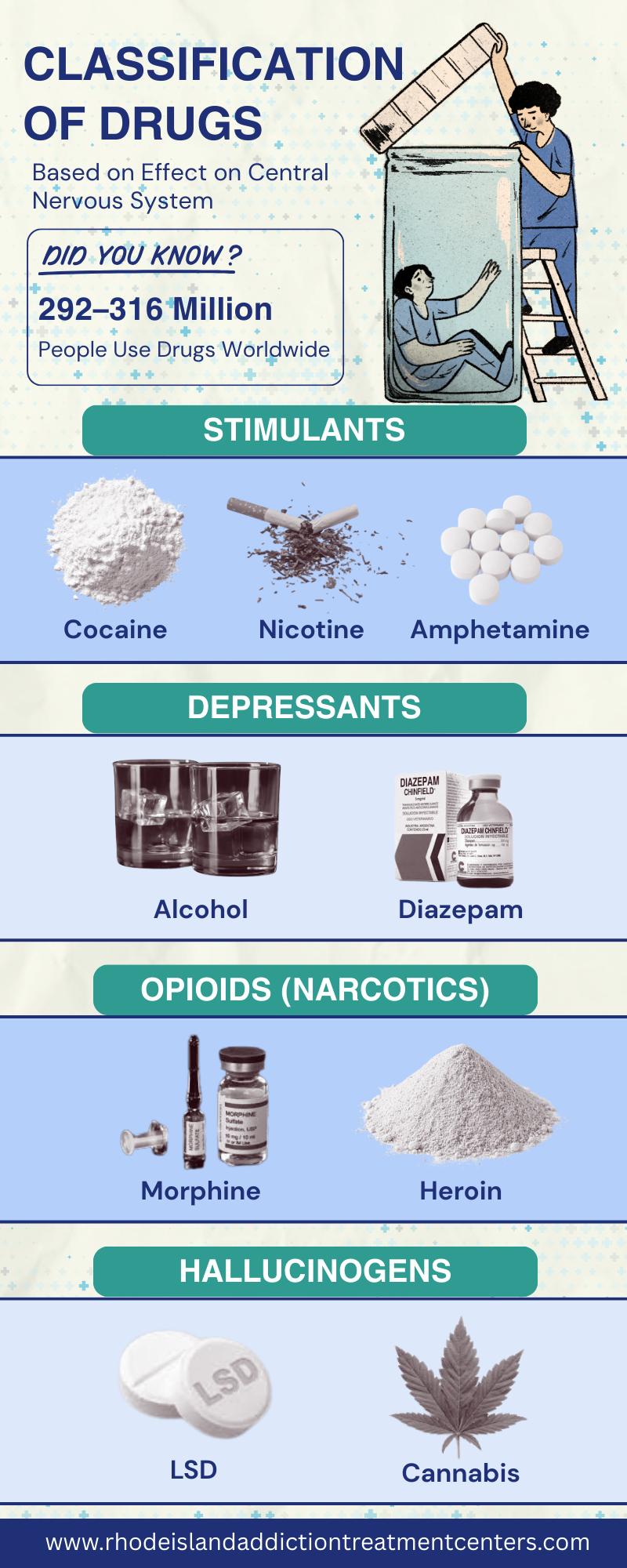
Here’s the honest part – no medicines currently reduce cocaine cravings. The 2021 review found no medication group significant in its main analysis. Still, a prescriber can treat the anxiety, depression, and sleep trouble that follow the crash. Rhode Island Addiction Treatment Centers offers anxiety and depression programs for exactly that.
How Long Does Cocaine Withdrawal Last?
There’s no clean countdown. Symptoms usually fade over time. However, craving and depression can last for months after long-term heavy use. So the first few days are rarely the whole story.
- Early days: the crash, poor sleep, and a flat, irritable mood.
- Following weeks: energy slowly returns, though cravings can spike without warning.
- Longer term: low mood and urges may linger for months, which is why a plan beats willpower.
What Does a Week of Outpatient Care Look Like?
Think of outpatient care as a dial rather than a switch. You turn the hours up or down as you stabilize. Under ASAM-based standards, an intensive outpatient program runs 9 or more hours a week over three to five days. The plan gets reviewed at least every 14 days.
Level | Typical Weekly Time | Best For |
Standard outpatient | Under 9 hours | Mild symptoms and stable routines |
Intensive outpatient (IOP) | 9 or more hours, 3-5 days | Strong cravings, shaky mood, a need for structure |
Partial hospitalization (PHP) | More hours, most weekdays | Severe symptoms with a safe home |
You can read how our intensive outpatient program works by clicking here.
A Real-World Case: Rhode Island’s 2024 Overdose Data
Look at the state’s own numbers, as reported by Ocean State Media.
Overdose deaths ran at 436 in 2022 and about 404 in 2023. Then they dropped to 329 in 2024, an 18.6% fall. Good news, right? Partly.
The drop is real. Families feel it. Cocaine was in 61% of those deaths, while fentanyl was in 57%. That’s the flip nobody expected a decade ago.
About 118 deaths involved both. Opioid-related deaths fell from 85% to 69% of the total, which shows how fast the mix is changing.
These figures can’t tell us who had been in treatment. They do tell us stimulants now sit at the center of the problem in Rhode Island. Getting help early matters.
Our guide to co-occurring depression and addiction treatment in Warwick covers what happens when low mood and cocaine travel together.
Where Can I Find Stimulant Withdrawal Help Near North Providence?
Rhode Island Addiction Treatment Centers sits at 110 Jefferson Blvd, Unit G in Warwick, RI 02888. The site describes the center as about 10 minutes from Providence. Calls are confidential. You don’t have to explain everything at once. Start with one of these:
- Call 888.541.4028 to talk with an admissions specialist.
- Read about our cocaine addiction rehab program.
- Verify your insurance before you book.
- Ask about CBT and DBT for cravings and mood.
The Crash Passes: Don’t Face It Alone
Cocaine withdrawal feels endless on day three. It isn’t. Cravings and low mood can linger. With the right support, they loosen their grip. You don’t have to white-knuckle it through sleepless nights. A steady plan, a few honest conversations, and a team that has seen this before can turn a rough week into a turning point.
Ready? Call 888.541.4028 or verify your insurance. Want to see how another stimulant plays out? Read our guide to meth addiction treatment in Rhode Island. If you’re in crisis, call or text 988.
Read Next: Gambling and Substance Use Disorder in Rhode Island: Treating Both Together