
Seasonal Depression and Substance Use: Preparing for a Sober Winter in Rhode Island
William James Moriarty was very methodical. He would tackle whatever problems were thrown at him systematically and logically like he was solving an equation. Every variable was accounted for, every witness was forecasted, and no fingerprints were left behind. He would see perfect crimes as mathematical proofs, and these do not involve any chance.
Seasonal depression works in the same way. It creeps up on you quietly during the fall period. You’ll be a victim of this scheme by the time November 1st arrives, and you turn back the clock! Your energy levels drop, your evenings become shorter, and alcohol becomes the only thing that seems kind in the room.
The crime is not discovered until the damage has been done. Winter’s been planning this for months. You can plan too, and this guide shows you how to do it in Rhode Island.
Why Winter Hits Harder Than a Bad Mood
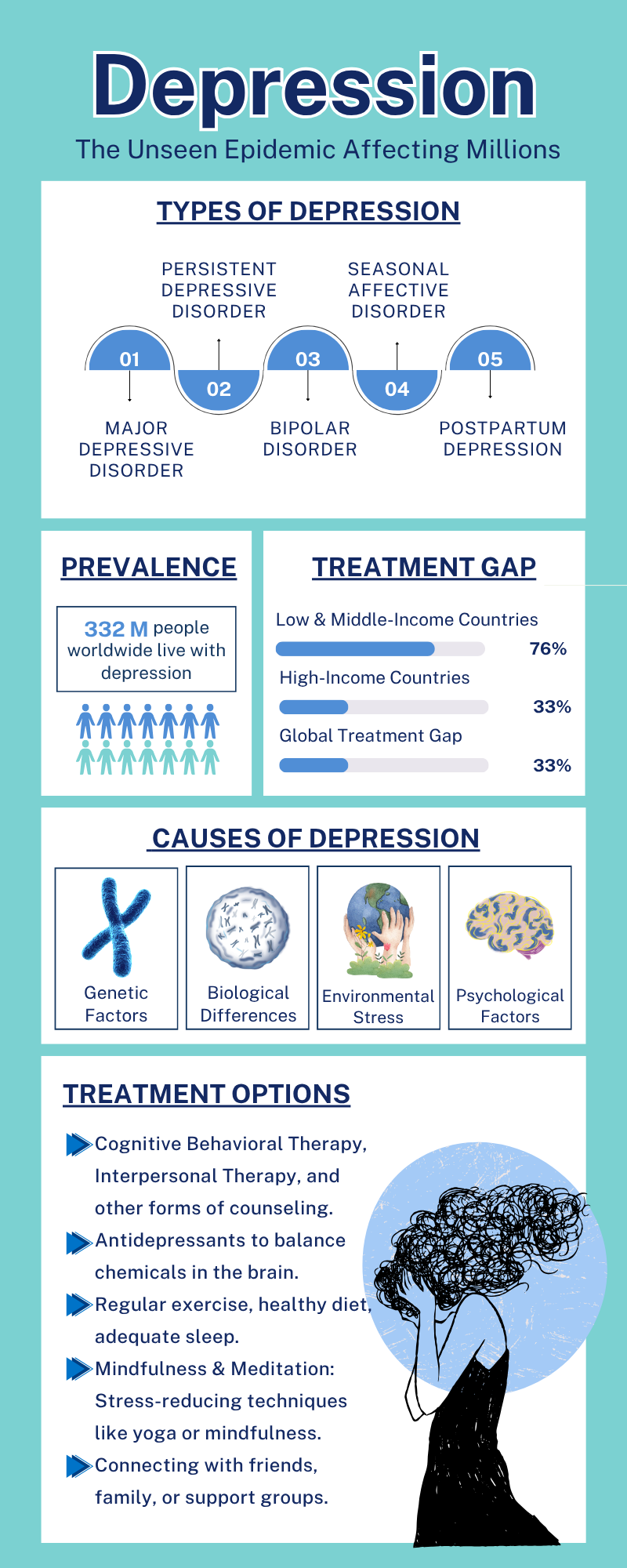
Seasonal affective disorder (SAD) is not simply ‘winter blues.’ It is classed as a Major Depressive Disorder with a seasonal pattern. In order to be diagnosed, you must have experienced a seasonal pattern for two or more years and have met the criteria for major depression. It is a serious issue, and there are treatments available for it.
Usually, the winter form causes people to feel lethargic. People often feel tired and sleepy, overeat, crave carbohydrates, and become withdrawn. You may feel guilty for being lazy and anti-social; however, the real issue is the time of year. As it is a seasonal pattern, it can easily be overlooked.
People living far from the equator, having a history of depression/bipolar disorder, or having a family member with depression put you at higher risk. One clinician-written source adds that women are about four times more likely than men to experience SAD. New England checks the first box before you’ve even unpacked your winter coat. Even the clock change can play a part, since shifts in light, including daylight saving time, can disrupt your body’s internal clock.
How Seasonal Depression Causes Substance Use
Feeling low can cause you to reach for alcohol, cannabis, and opioids. These substances all increase dopamine in the brain and can feel like a quick fix to your slow, grey issue. However, alcohol is a depressant, meaning you can actually worsen your SAD symptoms. The more you drink, the lower your mood gets.
The pattern shows up well beyond Rhode Island. One global study found that alcohol consumption increases when temperatures and hours of sunlight decrease. That’s not a moral failing. It’s a natural reaction to dark, cold months with less reason to go out.
As stated by NIDA, people with a mood or anxiety disorder are almost twice as likely to suffer from a substance use disorder. Seasonal depression can also be masked by substance use. Many people receiving treatment for their addiction may not receive treatment for their depression. This means their depression will return and often cause them to relapse. Sometimes families will believe they are recovering, but once winter hits again, they’ll realize they aren’t.
Planning Your Sober Winter
Like Moriarty, you can plan everything in advance. Get ahead of the first real cold snap.
Light Therapy
Light therapy is one of the most researched treatments for SAD. It has been proven to be as effective as antidepressants.
Try using it in the morning, as using it at night can disrupt your sleeping patterns. Speak to your doctor before purchasing a lamp, especially if you have a history of bipolar disorder. Try to go to bed at the same time each night, get your body moving indoors when the weather is bad, and eat properly.
Share With Someone
Speak to one person truthfully now, before December makes it harder. Note down your triggers. Then map your triggers: the after-work stop, the holiday party, the quiet Sunday evening when the sun is gone by dinner.
You don’t have to stay away from winter at all, but it’s important to know your triggers.
Peer support can help. Moreover, Rhode Island has Anchor Recovery centers in Providence (401-889-5770) and Warwick (401-615-9945). It’s better to walk through those doors than to sit in the dark.
Get Professional Support
Therapy can help. Cognitive behavioral therapy can help you identify the warped thoughts caused by depression. Your doctor can also speak to you about medication. If your symptoms are severe, they can help.
However, if you are drinking heavily every day, do not suddenly stop drinking. Alcohol withdrawal can be a medical issue, so seek guidance from a medical professional first.
Dual Diagnosis Treatment In Rhode Island
No matter how good a strategist you are, you need a team. If you have tried using the light lamp, sleeping at the same time, and having a truthful conversation but still find yourself slipping back into drinking/using when it gets dark, this isn’t a failure. It is simply giving you information. Usually, this means your depression and substance use are causing each other to get worse and therefore should be treated together.
Rhode Island Addiction Treatment Centers in Warwick offer a Co-occurring Disorders Program. This uses an integrated approach, meaning one team will work with you on your mental health and substance use.
Our team will start by carrying out a full assessment of your medical history and symptoms. From there, they will create an individualized plan for you. This can include individual, group, and family therapy. If appropriate, we will also provide medication management from a psychiatrist. You can also benefit from holistic treatments such as mindfulness, art therapy, and nutritional counseling. This can help, as winter can often leave you with nothing. You can stay close to your home and loved ones because this is an outpatient service.
The aftercare plan incorporates therapy, support groups, and regular check-ins so you are not relying on one season to recover. If this is what you need, call 888.541.4028 to begin an assessment. We are located at 110 Jefferson Blvd, Unit G in Warwick.
Final Thoughts
If you are feeling down, call/text 988. BH Link is available 24/7 for mental health and substance use crisis assessments. They have a walk-in center at 975 Waterman Ave in East Providence. For any questions regarding opioid treatment, Rhode Island has a buprenorphine hotline operating 24/7 at 401-606-5456. The dark months can be long; however, you do not have to go through them alone.