
Can You Start Addiction Treatment Quickly With Rhode Island Medicaid?
“Taking the first step should not mean waiting alone.”
If you have Rhode Island Medicaid, same-day addiction treatment may begin with a rapid assessment, walk-in service, or outpatient intake. However, a same-day residential admission depends on your medical needs, active coverage, and available openings. In 2024, Rhode Island recorded 329 accidental overdose deaths. Delays can carry serious risks.
At Rhode Island Addiction Treatment Centers, we help people understand fast treatment options and the next steps that may be available. This guide explains same day Medicaid rehab Rhode Island options, coverage checks, urgent care, and what to expect when time matters.
Can You Start Same-Day Medicaid Rehab in Rhode Island?
Sometimes, yes. Same-day addiction treatment may start with a phone screening, clinical assessment, medication appointment or outpatient referral. Still, starting care quickly does not always mean entering residential rehab on the same day.
Every level of treatment has different admission steps. A person with severe withdrawal symptoms may need medical detox first. Someone who is medically stable may begin outpatient care sooner. Active Medicaid coverage and clinical openings also matter.
Same-day help may include:
- Phone screening to discuss your immediate needs
- Walk-in assessment at an urgent behavioral health setting
- Medicaid verification before a scheduled intake
- Referral support for detox, outpatient care or medication treatment
- A next-step plan if a program has no immediate opening
Rhode Island Addiction Treatment Centers’ guide to same-day rehab admissions in Rhode Island explains that rapid help can include assessments and crisis services. Placement still depends on the care you need.
How Can Rhode Island Medicaid Help You Start Treatment?
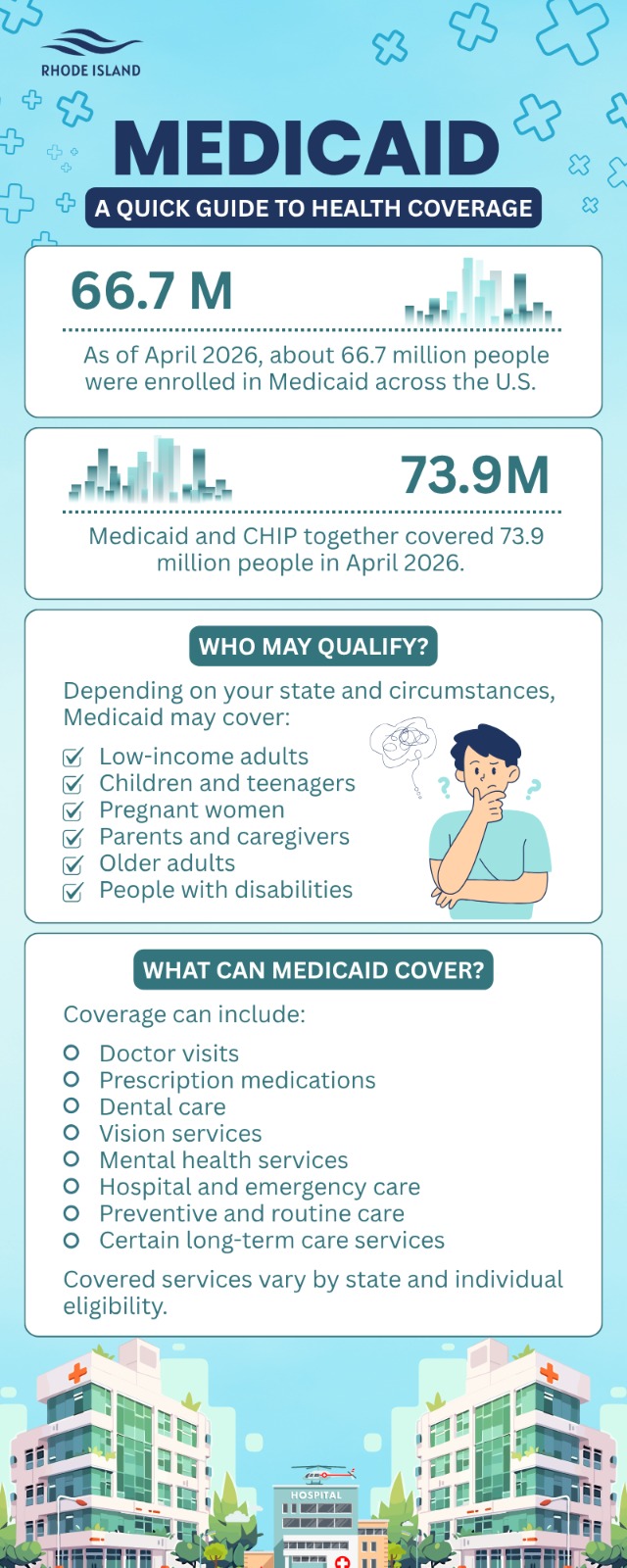
Medicaid may help cover addiction treatment for eligible Rhode Island residents. Still, coverage details can vary by plan, provider network, and the services recommended after an assessment. A quick coverage check can save time and prevent frustrating surprises.
What Addiction Treatment Services May Medicaid Cover?
Rhode Island Medicaid reimburses qualified providers for covered substance-use services. These may include assessment, counseling, rehabilitation services, and treatment planning. Your clinician may also recommend medication treatment, intensive outpatient care, detox, or a residential referral based on your current needs.
Care may include:
- Substance-use assessment
- Individual or group counseling
- Medication for opioid-use disorder
- Intensive outpatient treatment
- Detox or residential treatment referrals
The right level of care depends on more than insurance. A person’s withdrawal risk, mental health, physical health, and home support all matter.
How Do You Verify Medicaid Coverage Quickly?
Have your Medicaid card nearby before you call. An admissions team or member-services representative may be able to confirm whether your coverage is active and whether a provider is in-network. You may also need a clinical review before a treatment program can confirm the right placement.
- Find your Medicaid member ID.
- Call the number on the back of your card.
- Ask about substance-use treatment coverage.
- Check if a referral or approval is required.
- Ask a provider about the next available assessment.
If you are uninsured or unsure about your options, read our guide on going to rehab without insurance in Rhode Island.
What Happens During a Fast Addiction Treatment Assessment?
A fast assessment is not an interrogation. It is a conversation about what is happening now and what support may help you stay safe. A clinician may ask about substance use, withdrawal symptoms, medications, mental health, living situation, and past treatment.
For example, someone using alcohol daily may need medical support before stopping. Another person may be safe to begin outpatient counseling and group therapy within days. This assessment helps match Rhode Island Medicaid addiction treatment to your situation.
Assessment Area | Why It Is Discussed | Possible Next Step |
Substance use history | Identifies patterns and current risks | Outpatient care, detox, or medication treatment |
Withdrawal symptoms | Checks for urgent medical concerns | Emergency care or supervised detox referral |
Mental health symptoms | Identifies co-occurring needs | Dual diagnosis treatment planning |
Insurance details | Clarifies payment options | Coverage review or referral support |
Home support | Helps guide a safe plan | Outpatient, PHP or residential recommendation |
For people who do not need overnight care, intensive outpatient treatment can provide regular therapy while they continue living at home.
What Does a Rhode Island Same-Day Access Example Show?
Rhode Island has used peer-recovery services to reach people during urgent moments. One documented example is AnchorED, a peer-recovery program in emergency departments across the state.
From July 2016 through June 2017, AnchorED recorded 1,329 contacts with people who arrived at emergency departments because of reported substance misuse or suspected overdose. Of those contacted, 88.7% received naloxone training and 86.8% agreed to continued outreach from a peer recovery specialist. Peer workers helped connect people with treatment, medication programs, and local recovery services.
This example does not mean every person will enter rehab immediately. It does show why fast contact, clear information, and follow-up can matter when someone is ready to accept help.
When Should You Seek Urgent Help Instead of Waiting?
Some situations need emergency or crisis support, not a standard rehab admissions call. If someone may be overdosing, having a seizure, struggling to stay awake, experiencing chest pain, or showing signs of severe withdrawal, call 911 right away.
You should also seek immediate support for suicidal thoughts, confusion, or feeling unsafe. Rhode Island lists BH Link in East Providence, the Buprenorphine Hotline, and 988 as resources for urgent behavioral health needs.
- Call 911 for an overdose or medical emergency
- Call or text 988 for crisis support
- Seek urgent care for severe withdrawal symptoms
- Ask about same-day medication treatment for opioid-use disorder
- Do not stay alone if you feel unsafe
How Can You Find Medicaid Rehab Near Providence?
People in Providence, Warwick, Cranston, East Providence, Newport, and nearby communities may have different program options. The closest facility may not always offer the best timing, level of care, or Medicaid network access.
Before choosing a program, ask:
- Does the program accept my active Medicaid plan?
- Can I receive an assessment today?
- What level of care do you recommend?
- Is medication treatment available or referred out?
- What should I bring to my first appointment?
Rhode Island Addiction Treatment Centers offers outpatient and intensive outpatient services near Providence. Contacting the admissions team can help you discuss available care and verify insurance before you begin.
Take the Next Step Today
Starting addiction treatment quickly with Rhode Island Medicaid may be possible when you ask for a fast assessment. Same-day rehab does not always mean immediate residential admission. Still, you may be able to begin with a screening, walk-in evaluation, medication appointment, or outpatient plan.
What is the safest next step for you or someone you love today?
Rhode Island Addiction Treatment Centers can help you discuss available options and check coverage. You do not need every answer before reaching out. One conversation can clarify what care may be available and what you can do next.