
Benzodiazepine Detox and Recovery Options in Rhode Island
The pills always helped, so you kept taking them. Now the hard season is over, but stopping feels impossible. Your hands shake when you skip a dose. Your mind races at 3 a.m. You start to wonder what is wrong with you.
Honestly, nothing is wrong with you. It’s just your body adapted to a medication that did what it was meant to do. Nearly everyone who takes a benzodiazepine regularly for more than a month develops physical dependence. Yet only 1.5% of people who use these medications meet criteria for a benzodiazepine use disorder.
Risks of Benzodiazepines & Why “Just Quitting” Is the Wrong Move
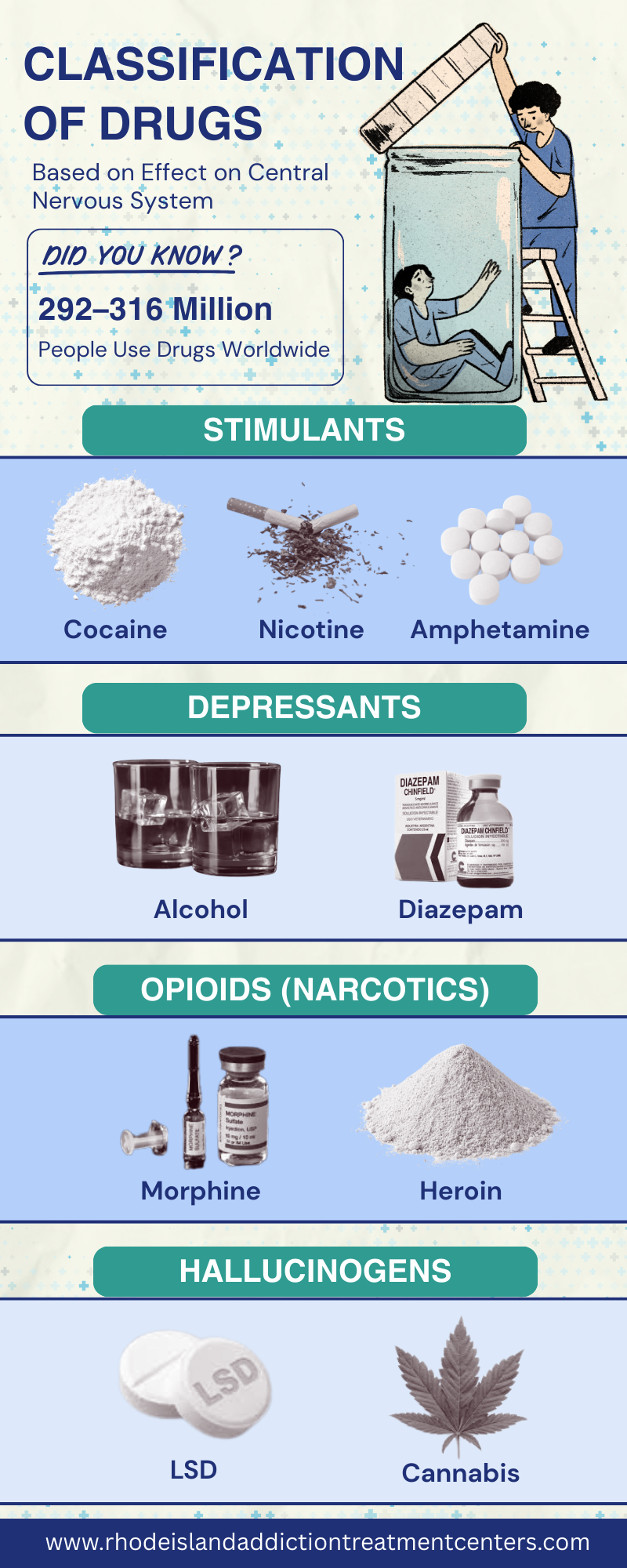
Benzodiazepines don’t work alone. Overall, medical examiners in Rhode Island reported that benzodiazepines were found in 144 of the 1,169 accidental overdose deaths in 2022-2024. The risk is higher when combined with alcohol and/or opioids. So, one of the easiest things that you can do for yourself and for the ones who love you is to seek help early and safely.
If you stop taking it after you’ve been on it regularly, you can experience life-threatening withdrawal. Symptoms generally consist of anxiety, insomnia, and tremors and may manifest in hours or days following the initiation of drug treatment. In severe cases, there can be seizures or delirium. That’s why it is not a brave act to grit your teeth at home. You need a recovery plan instead.
Your Recovery Options In Rhode Island
There is no one correct way to go through benzodiazepine withdrawal, and there is no award for doing it the hard way. The following options are not listed in order of the steps to be climbed. They are tools, and most people use a few of them in combination. The national guidance encourages clinicians to individualize the plan for each patient, modify it according to the patient’s response, and offer therapy alongside.
Slow, Personalized Taper Is Ideal
National guidance is to initially reduce the dose by 5-10% every two to four weeks and generally not more than 25% every two weeks. Your clinician may switch you to a longer-acting medication if you are currently on a shorter-acting medication to allow you to transition into the new medication. They will monitor after each reduction and are prepared to slow or stop if your symptoms worsen.
Medically Supervised Withdrawal Plan
Most people can be tapered off outpatient. Inpatient or residential care should be considered if continued use presents an immediate risk, or other medical or psychiatric conditions make outpatient care unsafe, or severe withdrawal is probable. The team in this setting offers ongoing surveillance of vital signs and assessment of the risk of seizures. Some start in a supervised setting and then move to outpatient care when stable.
Long-acting medication like phenobarbital can be used by clinicians familiar with it. Discontinuation should not be handled with flumazenil, propofol, or ketamine due to the risk of seizure and cardiac rhythm disturbances. The objective is to avoid complications and is based on a guideline developed from a systematic review of the literature and clinical consensus.
Cognitive Behavioral Therapy (CBT) And CBT For Insomnia
Therapy runs parallel to the taper. CBT can be done face-to-face, over the phone, or on a computer. Your therapist can help identify anxious thought patterns, practice coping skills, and (with CBT for insomnia) reestablish sleep habits that aren’t dependent on a pill.
The evidence is encouraging, and CBT plus a taper was more likely to lead to successful discontinuation at four weeks after treatment (risk ratio 1.40) and three months after treatment (1.51); but this effect was less certain at later follow-ups. For people taking benzodiazepines for sleep, CBT for insomnia plus gradual tapering was better than tapering alone at three months (risk ratio 1.68), improved insomnia symptoms, but the long-term benefit at 12 months was not statistically significant. In short, therapy takes you through the toughest of times, and the continuous help is what keeps you there.
Medication Support For Symptoms
If the symptoms of withdrawal get in the way, then the first step is to stop or taper at a slower rate. If symptoms continue, other medicines may be used. No flashy add-on exists. The Cochrane review concluded that the evidence was insufficient to support clinical recommendations, but that there was some evidence to suggest that carbamazepine may be a promising treatment. For most people, however, patience and therapy do the heavy lifting.
Intensive Outpatient Program Is Usually The Right First Step
Behavioral interventions in combination with a taper are strongly recommended in the guideline. The intensive outpatient program (IOP) provides that structure: group and individual therapy for several days each week, getting to sleep in one’s own bed, and life moving on. Having anxiety, depression, or issues with alcohol and other drugs can be integrated together, rather than three separate plans.
BH Link is a walk-in 24/7 treatment center available to Rhode Islanders age 18 and up at 975 Waterman Avenue in East Providence. You can also call (401) 414-5465 to connect with a trained counselor 24/7. The 988 line is a 24/7 call, text, and chat line manned by trained crisis counselors. Call 911 if you or someone you know is having seizures or severe confusion or hallucinating.
Final Words
Getting off benzodiazepines is rarely a sudden and dramatic experience. Most people do not remember a single perfect day following the last dose. It is more likely to be a subtle improvement when a night is calmer than the previous one. One week can feel more manageable than the one before. Gradually, the body adjusts and finds new rhythms.
If you have attempted to get rid of them by yourself and are struggling with self-harm, contact Rhode Island Addiction Treatment Centers today. Our staff will be able to tell you how much care you need for your individual situation. Visit our website to know the details of your insurance coverage and make the first step towards wellness.
Read Next: Does Medicaid Cover Benzodiazepine/Xanax Addiction Treatment in RI?