Outpatient Rehab Options Near Pawtucket, Rhode Island | Local Drug And Alcohol Care
“Getting help does not mean putting your life on pause. It means giving your life a fighting chance.”
In 2023, among 20.4 million adults who had both any mental illness and a substance use disorder, 37.6% — about 7.7 million people — received neither mental health treatment nor substance use treatment, which is a hard reminder that waiting can quietly make things worse.
If you are looking for Outpatient Rehab Options Near Pawtucket, Rhode Island, the short answer is yes: local programs can offer structured drug and alcohol treatment while you live at home, keep working, or care for family, and some levels of outpatient care can provide far more support than a weekly visit.
At Rhode Island Addiction Treatment Center, we write this guide to help you sort through the options, understand what each level of care looks like, and figure out what may fit your life right now.
Why People Choose Outpatient Rehab Near Pawtucket
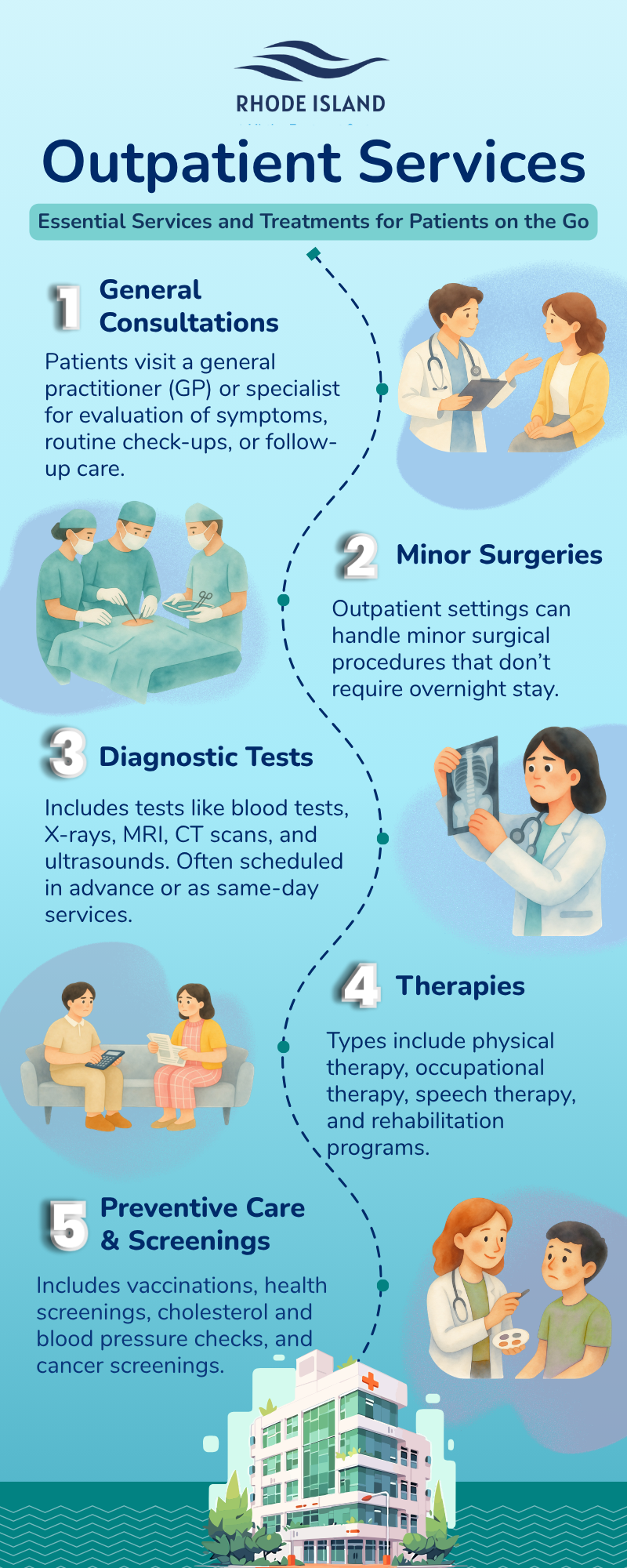
Many people want real help, but they do not want to disappear from daily life to get it. That is where outpatient care often makes sense. You can stay connected to home, work, school, and the people who matter to you, while still getting treatment that has structure and purpose.
A direct answer for searchers is this: outpatient rehab near Pawtucket lets you receive treatment during the week while living at home or in the community, instead of staying overnight in a facility.
Research on intensive outpatient programs, or IOPs, describes them as ambulatory services for people with substance use disorders or co-occurring conditions who do not need detox or 24-hour supervision.
Program Type | Weekly Time | What It Looks Like | Often a Good Fit For |
PHP | 20+ hours | Day treatment with close support | People who need more structure without overnight care |
IOP | 9–20 hours | Several sessions each week | People who need more than weekly therapy |
Standard Outpatient | Under 9 hours | Fewer scheduled sessions | People stepping down from higher care or needing lighter support |
Outpatient Rehab Options Near Pawtucket, Rhode Island, and the Three Levels of Care
Outpatient treatment is not just one thing. It is more like a staircase. Some people start higher up with day treatment. Others begin with IOP. Some only need standard outpatient care. The right step depends on your safety, symptoms, living situation, and how much support you need to stay steady.
The evidence around IOP is especially strong. A major review found a high level of evidence for IOPs, and multiple studies reported outcomes comparable to inpatient or residential care for many people, even though the exact program models varied.
Partial Hospitalization Program Near Pawtucket
PHP is usually the most structured outpatient level. It often fills much of the day with therapy, check-ins, skill work, and medication support when needed. You go home at night, but your day still has a clear shape.
For someone who needs close support but not a hospital bed, PHP can feel like a bridge. It offers more clinical contact than standard outpatient care and more routine than many people can create on their own in the early days.
Intensive Outpatient Program Near Pawtucket
IOP sits in the middle, and for many people, that is the sweet spot. It gives meaningful structure without pulling you out of your whole life. According to the evidence review, IOPs usually offer at least 9 hours of services per week, often in three 3-hour sessions, though some programs run longer or step down over time.
That rhythm can matter a lot. It gives you time to learn coping tools, test them in real life, and come back with honest feedback. Think of it like learning to drive in traffic instead of only reading the manual in a quiet room.
Standard Outpatient Substance Use Program
Standard outpatient care is lighter and often works well after higher levels of care. It can also fit people whose substance use issues are milder and whose home life is stable. The goal is still serious: therapy, accountability, planning, and steady progress.
Some people hear “outpatient” and assume it is weak care. That is not how we see it. The better way to look at it is this: the level should fit the person. Too much care can feel overwhelming. Too little can leave gaps.
- PHP: Higher-structure day treatment without overnight stay.
- IOP: Mid-level outpatient care with several sessions each week.
- Standard Outpatient: Lower-frequency care for continued recovery work.
How Outpatient Rehab Near Pawtucket Fits Into the Full Continuum of Care
Recovery rarely moves in a straight line. One person may begin with medical detox and then step down into PHP or IOP. Another may start with outpatient care from day one because they are medically stable and have strong support at home. Good treatment meets you where you are, not where someone else thinks you should be.
IOP is a higher level of care than usual outpatient services and a lower level than residential and inpatient services. It also notes that outpatient settings let people remain in their own homes and communities, which may help with adjustment to daily life during treatment.

 If you are exploring local care options, read our latest blog, “Addiction Treatment Near Cranston, RI: What to Know Before You Start”, for clear guidance on treatment choices, what to expect, and how to take the next step with confidence.