
How to Handle Cravings Without Relapsing
Relapse is not uncommon for recovering patients after they sign out of treatment because recovery isn’t linear. Sometimes you have to go over a certain stage multiple times to solidify it in your brain and feel confident to avoid it. For example, if anger forced you to drink heavily or use drugs before you signed into treatment, you’ll make multiple attempts to handle this difficult emotion before it stops affecting you.
That’s the reason relapse prevention is a core part of addiction treatment, where the doctors and therapists coach you to be stronger than your cravings. If you’re in inpatient rehab, the team will dedicate a few days to train you on self-control and emotional regulation, so you don’t return to old patterns. These skills help you well beyond recovery and bring multiple positive changes in your life; this article will zero in on those techniques and how you can implement them for managing cravings in recovery.
Keep reading to stay clean and in control.
Relapse is Not Failure
First thing addiction experts want you to internalize is that relapse doesn’t undo all your hard work and progress; it’s more of a bump on the road. Sure, one slip can turn into a pattern and put you back on drinking or using, but it’s still fixable.
Thanks to the emotional regulation and impulse control you learn during substance abuse treatment, you can control this pattern before any serious damage. Also, according to the American Addiction Centers, there is often a risk of relapse because chronic substance abuse causes certain structural and functional changes in your brain that stay much longer than you’d expect.
How to Manage Cravings in Recovery
Managing cravings in recovery tests your patience and self-control because in that moment, it feels like you wouldn’t survive without using the substance. However, that intense feeling is temporary, and if you manage to stay strong while it hits you, it simply ends. Drug cravings are similar to other cravings, only with 10x more intensity.
For example, if you’re dying to eat a sweet treat but don’t want to, waiting out that urge for a few minutes will make you forget it. The same can apply to managing cravings in recovery if you apply the following few tips:
Delay The Urge
Most cravings don’t last long, and their intensity peaks within 15 to 30 minutes. After that window, most cravings fade, and benefiting from it matters because the temporary surge passes if you let it.
For example, if you set a timer during a craving, you have something to hold onto instead of reacting immediately. You should learn to tell yourself you only need to wait it out, and that small delay creates space between the impulse and the action. Mostly, that delayed gratitude is enough for the craving to die down.
Change Your Environment
Your environment can impact drug use or drinking patterns. If you stay in the same setting where the urge started, you essentially feed it. That’s why moving to a different physical space helps because it interrupts that connection and gives your mind something new to focus on.
When you leave the room, step outside, or drive somewhere else, your focus shifts to other things instead of the same triggering environment.
Use Urge Surfing
Urge surfing is a mindfulness technique that trains you to look at a drug craving as a wave in the ocean. A wave rises and then subsides; a craving follows the same pattern.
This method tells you to observe this wave’s rise and decline instead of fighting it. Urge surfing helps because cravings are physical sensations with a natural life cycle, and reminding yourself it will pass helps.
Move Your Body
Physical activity can positively impact your recovery journey. Movement increases endorphins and shifts focus away from the fixation of wanting to use. And mostly, it doesn’t have to be intense; a brisk walk, some stretching, or pacing around the block can be enough to break the mental loop.
The body and mind are closely linked, so redirecting physical energy often redirects mental energy too. Also, building a habit of moving during difficult moments gives you a healthy response for cravings.
Play The Tape Forward
Cravings tend to highlight only the immediate relief of using, while blocking out everything that follows. Playing the tape forward means mentally walking through the full sequence: the guilt, the setback, the damage to relationships, and the work it takes to recover from a relapse.
Set Healthy Boundaries
Healthy boundaries mean being clear and firm about what you will and won’t tolerate, even if that means saying no to certain relationships or environments. It’s your effort towards self-protection because cravings are sometimes associated with people, places, or situations.
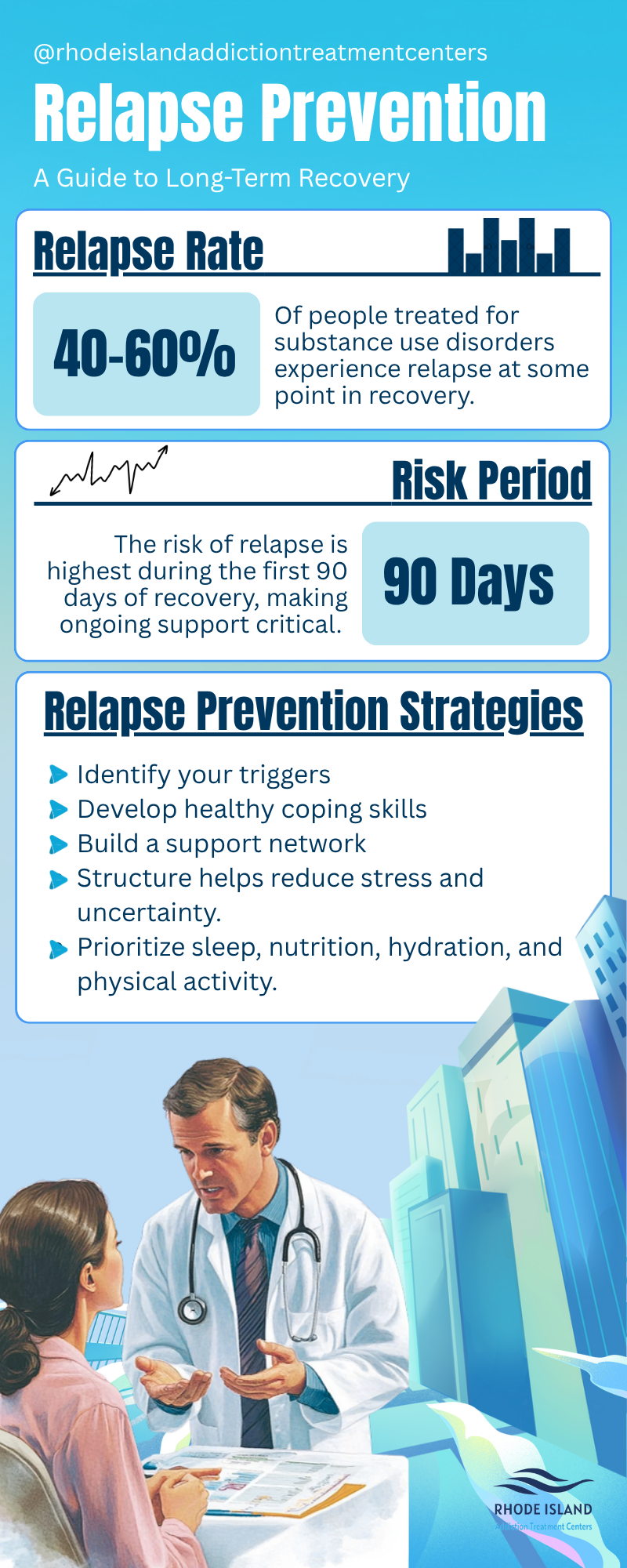
When you have boundaries, they reduce your exposure to triggers before a craving even has the chance to start. Also, being stern about what’s not acceptable will reinforce your commitment to recovery and make cravings less frequent over time.
Join A Self-Help Group
Recovery becomes harder to sustain in isolation, which is why experts recommend joining self-help groups. These places help you connect with people who understand your struggles because they’ve lived through it too. These people don’t judge you and also provide accountability from people further along in their recovery.
Do Community Work
Volunteering or helping others shifts focus away from personal struggle and toward purpose. Community work builds a sense of contribution and fills time that might otherwise be spent dwelling on cravings or triggers. Helping others facing similar battles also adds meaning to your recovery, and that sense of purpose can be a powerful anchor during difficult moments.
You Got This
You are already past the difficult phase when you decide to start addiction treatment; after that, it’s mostly trial and error until you completely overcome this struggle. Rhode Island Addiction Treatment Centers make your recovery journey as manageable as possible, so leave all the fears behind and let’s work towards a better future together.