First Responder Substance Abuse Treatment in Rhode Island: Confidential and Peer-Informed
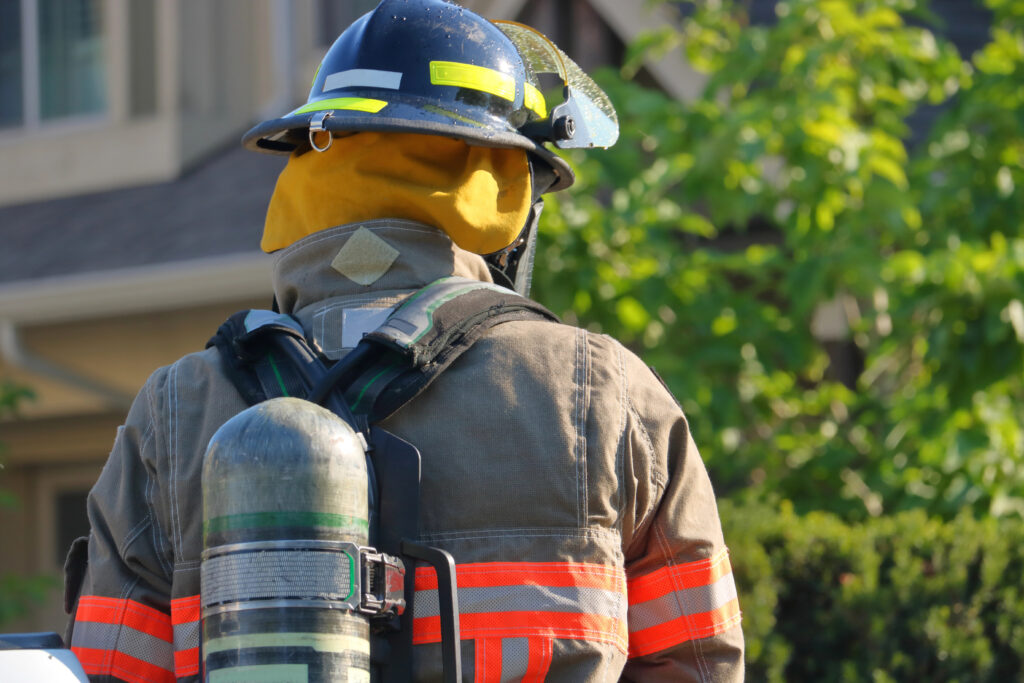
First responders are usually the first to arrive at an emergency scene. Police, firefighters, correctional officers, rescuers, EMTs, paramedics, and dispatchers are the first responders who witness scenes most people never see.
They spend the major part of their life dealing with emergencies. They experience danger, violence, trauma, injuries, deaths, or accidents, all of which can take a toll on their mental as well as physical well-being.
To cope with unpleasant memories, hazardous situations, long working hours, anxiety, stress, or depression, they often start to rely on different substances, including alcohol, cannabis, opioids, and many other drugs.
What starts as a getaway can become life-threatening. Early treatment can help prevent the problem from getting worse.
First responders and veterans in Rhode Island can get addiction treatment and mental health services that actually handle both substance use and the trauma or mental health issues that might be driving it. Getting help early makes it way easier to get stable again while still handling work, family, and your normal life.
In this blog, we’re diving into how trauma actually connects to substance use for first responders, what addiction warning signs to watch for, what treatment options Rhode Island offers, and where first responders can find real support that actually matters throughout recovery.
Why Is First Responder Substance Abuse in Rhode Island a Serious Issue?
First Responder Substance Abuse in Rhode Island is one of the major issues that cannot be ignored. First responders are our life saviours, and when their mental health is compromised, it can affect not only their own well-being but also their families, coworkers, and the people who rely on them during emergencies. This intent is not simply to stop substance use but to support a person in getting back to a normal, healthy, and stable life.
Facing repeated trauma adds to the severity of the problem. They barely get time to recover from one trauma before another one happens. Substance abuse also tends to affect job safety. First responders must stay active, alert, and sensible at all times, and substance use before or during work can create serious risks.
Even when they are not used on duty, poor sleep, withdrawal, or the effects of heavy use can disturb performance during a shift.
Additionally, different stigmas associated with first responders add to the severity of the issue. Society in Rhode Island views first responders as resilient and strong, which in turn stops first responders from seeking help.
They start to believe they are there to help others, not to seek help from others. Some fear that being judged by their coworkers or asking for help could disturb their reputation or career. This makes them avoid seeking help until the problem becomes severe. In this case, following treatment protocols is the best choice.
Peer-Informed Treatment
Peer-informed treatment involves getting support from people who understand your struggles because they have gone through similar experiences themselves. For first responders, a peer is someone who understands their work culture and is aware of the challenges that come along with it.
It is not a replacement for a doctor, specialist, or therapist; instead, a peer offers understanding based on real-life experience rather than only professional training.
A peer can support a first responder by guiding them about treatment options, preparing for meetings with a doctor or therapist, and staying connected to recovery support.
Having peer support is particularly meaningful for first responders. They are aware of the challenges and pressure a first responder goes through. A peer listens, shares their experiences, encourages healthy choices, and provides a pathway towards long-term recovery.
Confidential Treatment
Because of the judgment and nature of the job, first responders often avoid addressing their addiction. They believe we are for helping others, and seeking help makes us weak. They have a fear of losing their job if someone knows about their condition.
Confidential treatment will encourage them to ask for help. They can make better decisions if they are assured of their privacy. It will provide them with an opportunity to be open without a fear of being judged. Rhode Island Addiction Treatment Center considers confidentiality as a significant part of providing a safe and trusting environment. We are always here to respond to your concerns.
Personalized Treatment
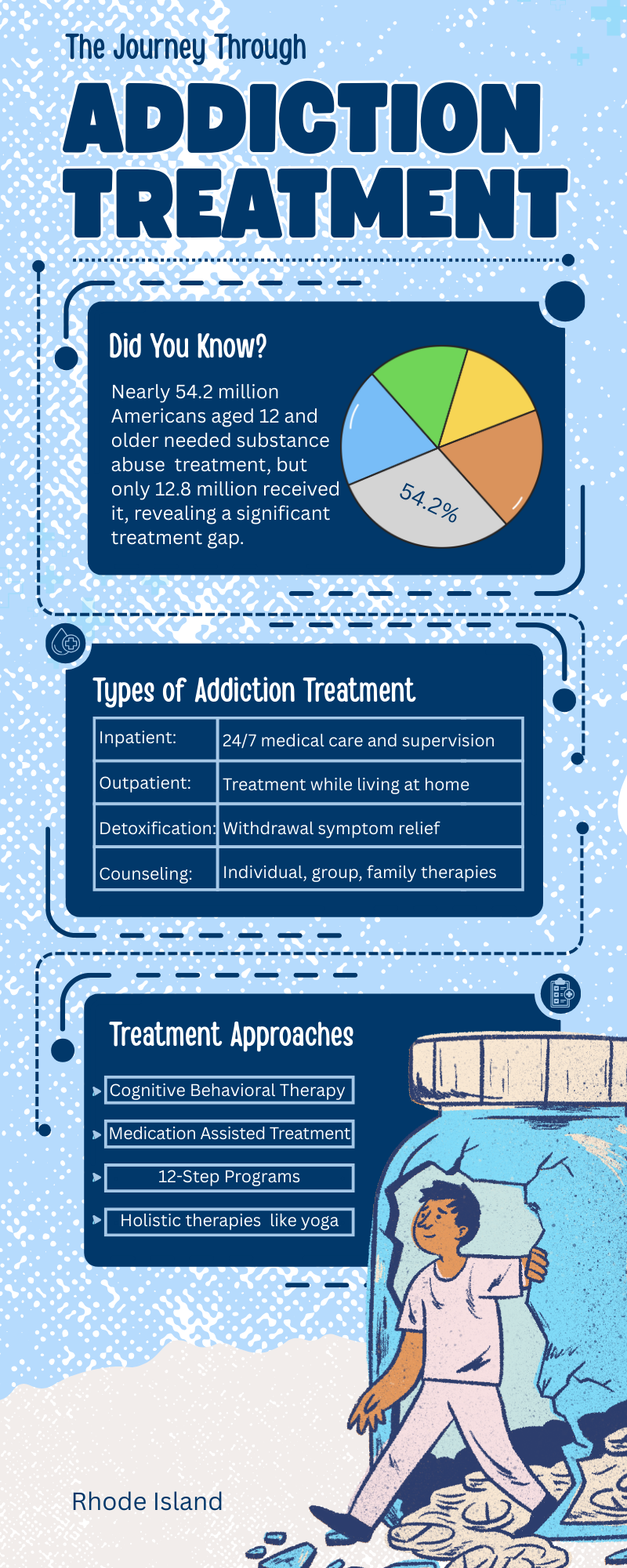
A single treatment plan is not a suitable option for everyone. A person’s level of severity, mental health condition, recovery goals, and support system all decide what should be the right approach. For first responder substance abuse treatment in Rhode Island offers various levels of care, including outpatient care, inpatient services, stress management, or medical detoxification.
For responders with severe symptoms, a more structured intensive outpatient or residential program is needed, while outpatient counseling is for less severe conditions. Medications are prescribed to reduce withdrawal symptoms.
Since responders’ work schedules are not very specific. They work long shifts, overnight hours, weekends, and holidays. A flexible treatment plan is ideal, making it easier for them to continue treatment without stressing about their job schedules.
Mental Health Treatment
Treating substance abuse is of no use if the mental condition is ignored. Identifying the root cause or triggers is important. Whether it is lack of sleep, physical pain, stress, traumatic memories, anxiety, or depression, it needs to be addressed. A good treatment plan always addresses the mental condition while treating addiction. For first responders, it is more important since they repeatedly get exposed to traumatic and dangerous events. They often struggle with certain mental health issues, including depression and PTSD, at rates higher than the general population.
So, in simple words, we can say it is difficult for first responders struggling with alcohol or drug use to ask for help themselves. They devote their lives to saving us. They deserve to receive empathetic, respectful support when they need it themselves. Their treatment should be done with respect without being judgmental.
Last Words!
Substance abuse in Rhode Island offers several paths to recovery. Peer-informed treatment provides support and understanding, whereas confidentiality guarantees a trusting environment. Personalized treatment makes sure every responder gets the treatment according to their needs. Continuous support even after the completion of formal treatment can prevent responders from getting back to unhealthy patterns of coping with stress.
First responders need to understand that it is completely fine to ask for help even if you are a lifesaver to others. Better treatment will positively impact your personal and professional life. It will make you more helpful toward others. You put so much effort into saving other lives; it is important to do things for yourself too.
Reach us at Rhode Island Addiction Treatment Center and start your journey to recovery with us.
Read Next: Sober Living and Housing Options After Detox in Rhode Island