
Drug & Alcohol Rehab in Warwick, RI That Accepts Medicaid
Healthcare is one of the biggest inevitable expenses in this country; no wonder 66.5% of personal bankruptcies filed in the US come from medical debt. Usually, what happens is that we don’t prepare for health emergencies or expensive treatments that’ll inevitably come because of our lifestyle habits.
For example, if someone is drinking heavily or using addictive substances, they don’t think about fixing this problem or how much it might cost them. Then, once they decide to become sober and get over these destructive patterns, they don’t understand how much support to expect from insurance coverage.
Now, if you’re eligible for Medicaid, your finances are already limited, and hence, you’d want the most dollar value out of this insurance. Therefore, this article lists the primary things everyone should clarify before getting admitted to a drug and alcohol rehab in Warwick, RI that accepts Medicaid.
Being eligible isn’t enough; read on for some caveats to avoid surprises.
Things to Clear Before Entering a Drug & Alcohol Rehab in Warwick, RI That Accepts Medicaid
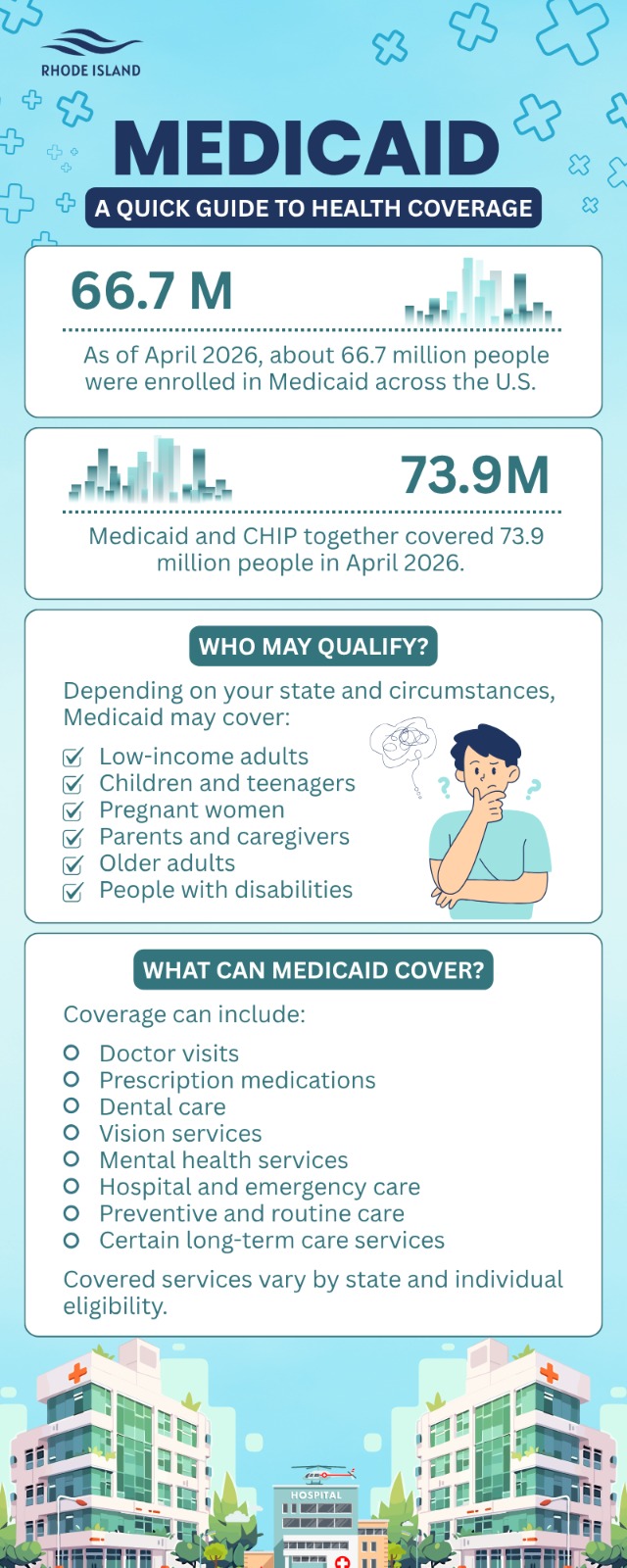
The Medicaid network is quite widespread and accessible in all states. Thousands of providers and treatment facilities accept this insurance for alcohol and drug rehab, but under different terms and conditions.
If you plan on getting treated for addiction while being a low-income individual, here are some things to ask a drug and alcohol rehab in Warwick, RI that accepts Medicaid:
Levels of Care Covered
Addiction treatment is available in different intensity levels. For example, initially a person enters medical detox and is then put in inpatient rehab, partial hospitalization, or an outpatient program, depending on problem severity. Needless to say, Medicaid doesn’t cover all these levels equally.
A plan might offer sufficient coverage for outpatient therapy but leave you alone to deal with inpatient stay expenses. And since addiction doesn’t fit in a box, i.e., someone might need medical detox first and then step down to outpatient support, this clarity matters.
If a drug and alcohol rehab that accepts Medicaid in Warwick, RI, doesn’t clearly explain which of these stages it’ll pay for, you might face a coverage gap midway through the treatment. That’s why a patient must ask the facility to explain what’s covered and what isn’t because this clarity prevents surprise expenses.
Prior Authorization Timelines
Prior authorization is a Medicaid requirement that requires a facility to get approval before certain treatments begin. It’s most emphasized for residential or inpatient care because these are expensive models.
Prior auth exists in healthcare insurance because a provider needs confirmation whether a treatment being performed is even necessary for the patient. That said, this authorization can take weeks, depending on the facility’s efficiency, so a patient should be aware of this.
When you’re in crisis and ready to enter treatment now, this delay is unbearable and even dangerous. Hence, a treatment center should handle this process quickly during an already difficult moment. So before you choose a drug and alcohol rehab in Warwick, RI that accepts Medicaid, ask how long their authorization process takes and who manages it: the facility or the patient.
Approved Treatment Length
Medicaid rehab in Warwick, RI doesn’t always approve an entire treatment program and only authorizes care in short windows. Sometimes that window can be 7 days, after which the facility is required to request an extension.
If your addiction treatment center has recommended you start a 30-day program and you’re clearly eligible for Medicaid, it still doesn’t guarantee your 30 days will be covered. Mostly, the covered treatment length depends on your recovery progress and how well the facility communicates progress to the insurer.
Coordination with Dual Coverage
If you have more than one form of insurance, discussing that with the treatment center is important. For instance, you might have a spouse’s employer plan plus Medicaid or alongside Medicare due to a disability.
In these cases, Medicaid is the secondary payer, which simply means that it steps in only after the primary insurance processes its portion of the claim. So if you have another insurance, this coordination process will determine how the payment cycle will go and what you might have to pay out of pocket.
Before entering treatment, it’s worth confirming that the rehab center has direct experience coordinating claims between Medicaid and another plan. You should know how they handle the order of billing, as it also helps decide whether treatment stays affordable or turns into a financial burden nobody anticipated.
Costs Outside Coverage
As explained earlier, a Medicaid plan doesn’t cover every aspect of a treatment program. If you opt for add-ons like private rooms, holistic therapies, or aftercare, they’ll come with a separate price tag.
Moreover, some of these costs aren’t always advertised upfront, and patients discover them after the treatment has started. Hence, asking for an itemized breakdown of what falls outside Medicaid’s coverage is in your best interest before admission.
When a facility is transparent about these costs, it shows that it respects the patient’s right to plan financially instead of further burdening them during an already vulnerable time. It also signals honesty in how the center operates because a credible place would ensure that recovery doesn’t come with hidden financial stress layered on top of an already difficult process.
Go In Well Prepared
Knowing your rights and payables regarding health insurance is an important matter, yet many of us don’t learn about them. If you’re on Medicaid and planning alcohol or drug rehab, call your preferred treatment facility and ask all important questions. This will help sort your finances and make sure you get the most value out of this insurance plan. Rhode Island Addiction Treatment Centers make insurance verification even easier; so leave the confusion behind and let’s plan your recovery journey.