
7 Signs a Loved One Needs Inpatient Rehab: A Guide for Rhode Island Families
One of the most heartbreaking things in the world is watching someone you love change. Maybe they miss work, hide things, or just don’t seem like themselves. And you keep asking the same hard question: Should I step in?
You might worry that encouraging them to get help will upset them or make them feel judged. But reaching out doesn’t mean you’re failing them. It means you’re concerned and want them to be safe. With 8.2% of adults suffering from SUD, many families in Rhode Island face the same questions and aren’t sure what to do next!
This guide covers 7 signs that a loved one may need inpatient rehab. While these signs can’t replace a professional assessment, they can help you recognize when substance use may require more intensive treatment.
What Is Inpatient Rehab?
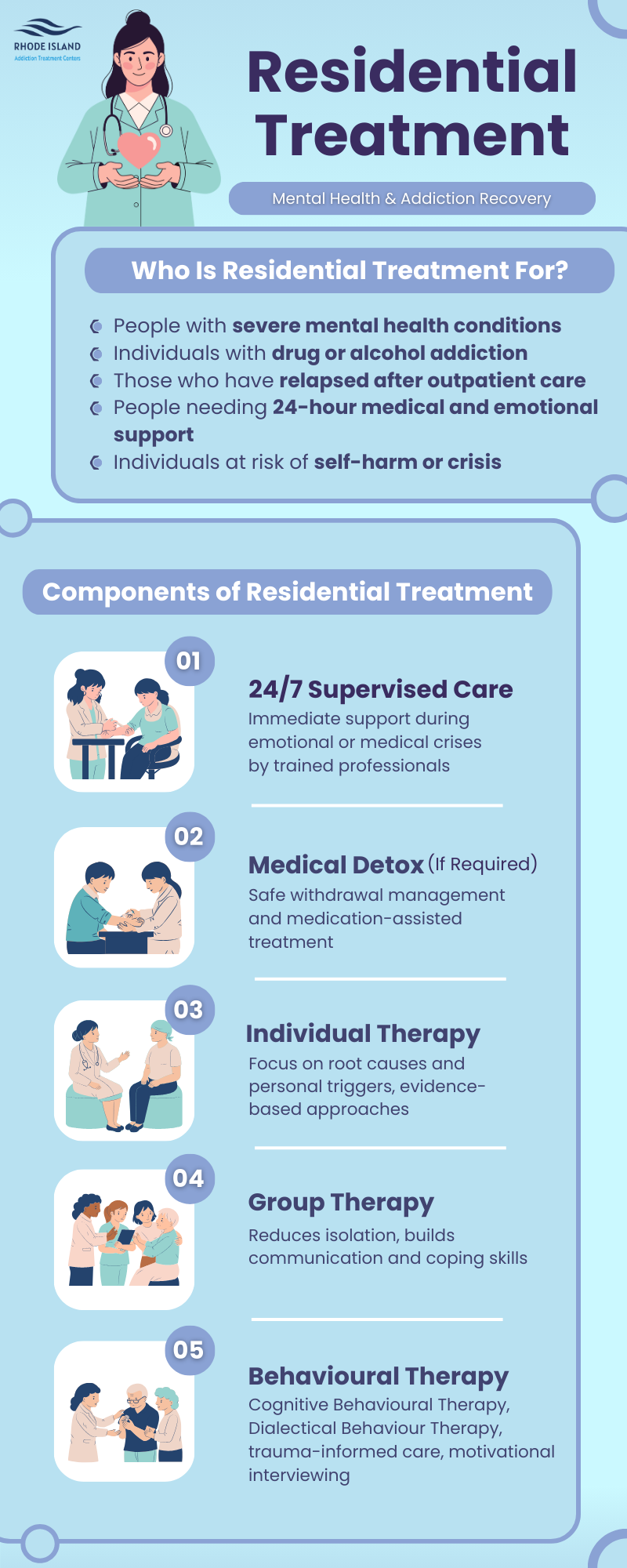
Inpatient rehab, also called residential treatment, means a person stays at a treatment center day and night. It offers round-the-clock supervision, structure, and medical support.
It’s usually for people who need more safety or structure than they can get at home.
7 Warning Signs Your Loved One May Need Inpatient Rehab
One warning sign alone may not tell you much. But when several of these changes happen together, they may suggest your loved one needs more support than they can get on their own.
Here are 7 signs to watch for.
1. They’ve Tried to Stop and Couldn’t
Many people try to quit on their own. They make promises, set rules, or cut back for a while. If your loved one keeps returning to use, or relapses even after trying different therapies, they may need more support than they have now.
2. Using Is Putting Their Life in Danger
Look for moments that could have ended badly. This includes driving while high or drunk, mixing drugs, using drugs alone, or experiencing an overdose scare. Fentanyl makes this even more serious because it can hide in other drugs, and even a tiny amount can be deadly.
A close call is a warning, not just a one-time scare. If it has already happened once, take it seriously.
3. Stopping Could Be Medically Dangerous
Not every substance is equally risky to stop. Heavy, long-term alcohol use and benzodiazepines can cause serious withdrawal symptoms like seizures. Quitting suddenly without medical help can be dangerous.
If your loved one drinks heavily every day or takes a lot of benzos, don’t tell them to quit all at once. Encourage them to talk with a medical professional first.
Our guide to the first 48 hours of alcohol detox in Rhode Island explains why supervision matters.
4. Daily Life Is Falling Apart
Addiction can take over a person’s life. Look for signs like losing jobs, missing classes, unpaid bills, legal issues, or money disappearing. Relationships can also suffer. For example, a parent might miss their kids’ events, or a partner may stop participating in family activities.
When someone can no longer handle basic responsibilities, and things don’t improve after facing serious consequences, they might need a place to step back and focus on getting better.
5. A Mental Health Struggle Is Part of the Picture
Addiction and mental health often go together. Your loved one may seem deeply depressed, anxious, or hopeless. They may have sharp mood swings or panic. Substances can make these feelings worse, which can lead to more use.
When both are present, recovery usually works better if both are treated together. This is called co-occurring or dual-diagnosis care.
6. Home Isn’t a Safe Place to Recover
Where a person lives is important. If there are drugs or alcohol in the house, or if friends who use drugs are always around, recovery can be harder. Stress at home can also lead to cravings. Some people may lack steady support or have no one at home to check on them.
In these cases, taking a break can give your loved one a fresh start. A calm and structured place without triggers can make the first weeks of recovery safer and easier.
7. Their Health Is Getting Worse
Addiction takes a toll on the body. Look for weight loss, injuries, blackouts, shaking, or poor sleep. Maybe they’ve been to the emergency room more than once, or they simply look unwell, and you worry about what’s happening to them.
When health problems keep piling up, the body needs time and medical care, not just willpower. Having care around the clock can help catch issues early and keep your loved one safe.
How to Talk to Your Loved One
Starting this conversation can feel scary. A few simple habits can help:
- Pick a Calm Moment: Choose a time when they’re sober and not angry.
- Speak From Your Own Worry: Say “I’m worried because…” instead of “You always…”
- Share What You’ve Seen: Name specific things, like missed work or a scary night, without blame.
- Skip the Labels: Words like “addict” can feel like an attack.
- Listen: Let them talk, even if it’s hard to hear.
- Offer Help with the Next Step: Offer to sit with them while they make a call, or go with them to an appointment.
Also Read: How to Stage an Intervention for a Family Member Struggling with Addiction in Rhode Island
Let an Assessment Point the Way
You don’t have to decide the level of care on your own. A trained professional can look at what’s going on, ask the right questions, and help your family understand the safest next step. Getting a clear answer can be a big relief.
Our team at Rhode Island Addiction Treatment Centers in Warwick can talk with you today, answer your questions, and help you check your insurance. We also offer men’s and women’s programs.
Call us, visit us, or leave a message to get started. Our team can also help you verify your insurance.
Your loved one’s next step can begin with your call. Reach out today!