
Stimulant and Cocaine Addiction Treatment in Cranston, RI
You might see yourself as someone who has it all together, juggling work, family, and friendships, all while wearing a smile. To the outside world, life looks perfectly in sync. But on the inside, things might be falling apart!
Maybe you use more often than you planned. Maybe you think about your next use throughout the day. Or maybe you’ve tried to stop and found yourself using again.
Addiction doesn’t always look the way people expect it to.
If cocaine or another stimulant is becoming a part of your daily life, it’s important to take a closer look at what is really happening. Understanding how it affects your life is the first step to getting help!
When Cocaine Starts Becoming More Than “Just Using”
Cocaine use can begin casually. You might use it at parties, on weekends, or with certain friends.
But over time, you may notice changes.
- You’re using more often
- You’re using more than you planned
- You have strong cravings
- You spend more money on cocaine than you intended
- You’re hiding your use from people close to you
- You’re missing work or school
- You’ve tried to stop but keep returning to use
- Cocaine is causing problems in your relationships
- You continue using even though you know it’s causing problems
You don’t have to experience every sign before asking for help.
If cocaine is becoming difficult to control, that’s enough reason to talk with a professional!
Why Does Cocaine Feel So Hard to Walk Away From?
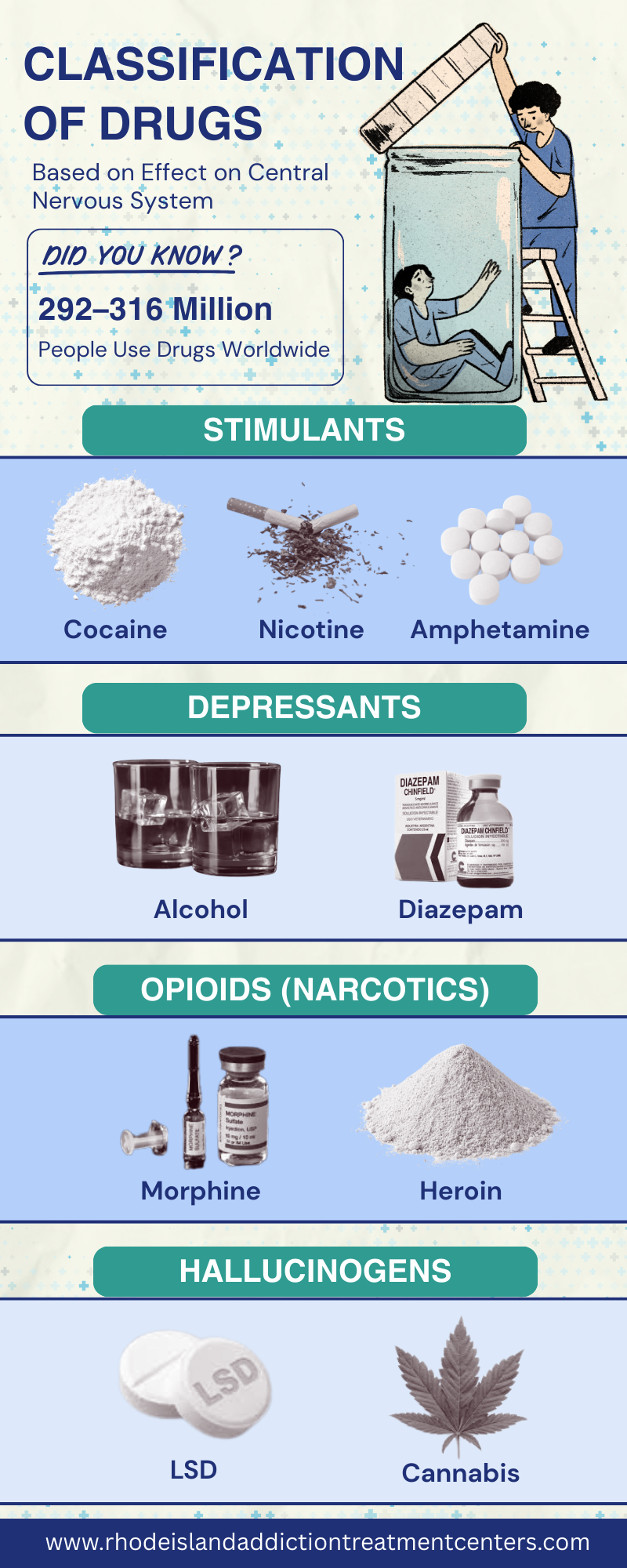
Cocaine is a stimulant. It increases activity in the brain and body and can create feelings of energy, alertness, confidence, and pleasure.
But the effects don’t last forever.
And when they wear off, you may experience something very different.
The cycle usually looks something like:
Step 1: Use cocaine
Step 2: Feel energized or high
Step 3: Effects wear off
Step 4: Crash
Step 5: Cravings
Step 6: Repeat
For some people, this cycle can become increasingly difficult to break.
The Crash: What Happens After Cocaine Wears Off?
After using cocaine, you may feel:
- Extremely tired
- Irritable
- Anxious
- Depressed
- Restless
- Hungry
- Unable to concentrate or sleep
You may then want to use cocaine again to escape those feelings. That’s one reason trying to quit can be difficult, especially without support.
What Triggers Cocaine Cravings?
Cravings don’t always come out of nowhere. Certain situations can remind you of using cocaine.
Common triggers may include:
- Stress: A tough day at work or issues at home can make you want to use cocaine.
- People: Being around friends you used cocaine with can trigger cravings.
- Places: Going back to spots where you often used cocaine can bring back memories and urges.
- Emotions: Feelings of loneliness, anger, anxiety, or sadness can make using seem attractive.
- Celebrations: Parties and social events may also be linked to cocaine use.
Learning to recognize these patterns can help you understand when you’re most at risk of using.
When Cocaine Starts Affecting More Than Your Health
You might be working and handling your duties while cocaine use is causing issues in your life.
Relationships
You may become more secretive, cancel plans, argue more often, or pull away from people you care about.
Work and Daily Responsibilities
Lack of sleep, cravings, or time spent getting and using cocaine can make it harder to stay focused.
Finances
Regular cocaine use can become expensive and may lead to financial stress.
Mental Health
Cocaine use can also occur alongside anxiety, depression, paranoia, sleep problems, and other mental health concerns.
When substance use and mental health problems occur together, both may need attention during treatment.
You Don’t Have to Wait for a Crisis
Many people believe they must reach a breaking point before getting help. You don’t have to wait. You can reach out if:
- You’ve tried to stop but can’t seem to
- You’re worried about how often you’re using
- Your relationships are changing
- You’re spending more money than you want to
- You’re using cocaine to cope with stress or emotions
- You simply feel like your relationship with cocaine isn’t healthy anymore
You don’t need to have everything figured out before asking for help.
What Happens in Cocaine Addiction Treatment?
Treatment isn’t simply about telling someone to stop using. It can help you understand what keeps you using and what you can do differently.
It usually goes like this:
1. Understanding Your Substance Use
A provider can check how often you use cocaine, what situations lead to your use, and how it impacts your life.
2. Managing Cravings
You’ll learn ways to recognize and manage cravings before they turn into substance use.
3. Building Healthier Coping Skills
If you use cocaine to deal with stress, anxiety, or difficult emotions, treatment can help you develop other ways to cope.
4. Working on Relapse Prevention
Treatment can help you identify high-risk situations and create a plan for handling them.
5. Addressing Mental Health
If you are dealing with anxiety, depression, trauma, or other mental health issues, your provider can include these in your treatment plan.
Furthermore, SAMHSA says that 3 types of therapy can help people with stimulant use disorders: contingency management, cognitive behavioral therapy, and motivational interviewing.
Stimulant and Cocaine Addiction Treatment in Cranston, RI
Finding the right cocaine or stimulant addiction treatment is about more than choosing the closest facility. Look for a provider that offers the right level of care, evidence-based treatment, individual and group support, mental health services, relapse-prevention support, and care for other concerns that may come in the way of recovery.
Rhode Island Addiction Treatment Centers helps people who are struggling with cocaine and stimulant use. We provide support to help these individuals understand their treatment options and find the care they need.
If you’re concerned about your cocaine or stimulant use, get in touch with us today to talk with a professional, explore your options, and start a new addiction-free life!