Marijuana Use Disorder in Rhode Island: When Cannabis Becomes a Problem
Cannabis is legal for adults in Rhode Island, but that doesn’t mean it can’t become a problem! Under state law, adults 21 and older can legally possess and use cannabis. Rhode Island also controls the sale of cannabis products at licensed stores.
Most people use cannabis occasionally, which doesn’t cause major problems. However, the issue arises when it becomes difficult to control for some. They may keep using it even when it affects their health, relationships, work, or daily life.
This is known as marijuana use disorder, also called cannabis use disorder.
When Does Marijuana Use Become a Problem?
According to the Centers for Disease Control and Prevention (CDC), about 3 in 10 people who use cannabis have cannabis use disorder. The CDC also notes that the risk is higher among people who begin using cannabis during their youth or use it more often.
So, using marijuana doesn’t mean you automatically have a substance use problem. The main issue is how cannabis impacts your life and if you can control how much you use.
You may want to examine your cannabis use more closely if you:
- Use more than you planned
- Try to cut back but can’t
- Think about cannabis often or have strong cravings
- Spend a lot of time getting, using, or recovering from cannabis
- Keep using even after it causes problems
- Have trouble keeping up with work, school, or responsibilities
- Pull away from friends or family because of your use
- Give up activities you once enjoyed
- Experience uncomfortable symptoms when you stop
Signs Cannabis May Be Affecting Your Life
Sometimes the changes happen slowly. You may not notice how much cannabis has started to affect you until someone points it out or you try to stop.
You might notice things like:
- You’re less interested in activities you used to enjoy.
- You’re spending more time alone so you can use cannabis.
- You’re missing work, school, or appointments.
- Arguments with family or friends have become more common.
- You use cannabis to deal with stress, anxiety, sadness, or boredom.
- You plan your day around when you can use.
- You keep telling yourself you’ll cut back but don’t.
- You feel like you need cannabis just to feel normal.
One sign alone does not mean you have a marijuana use disorder. However, if you notice several of these signs over time, it might be a good idea to get an evaluation.
What Happens When You Try to Cut Back or Stop?
If you’ve been using cannabis regularly, stopping or cutting back may cause some uncomfortable changes.
You may experience:
Irritability or Mood Changes
You may feel more frustrated, restless, or easily annoyed.
Trouble Sleeping
Falling asleep or staying asleep may become harder.
Anxiety
You might feel more nervous or on edge than usual.
Changes in Appetite
You will feel less hungry or notice changes in your eating habits.
Cravings
You would strongly want to use cannabis again.
Restlessness
You may have trouble relaxing or sitting still.
These symptoms can make it difficult to stop, especially if you’ve been using cannabis to cope with stress or other emotions.
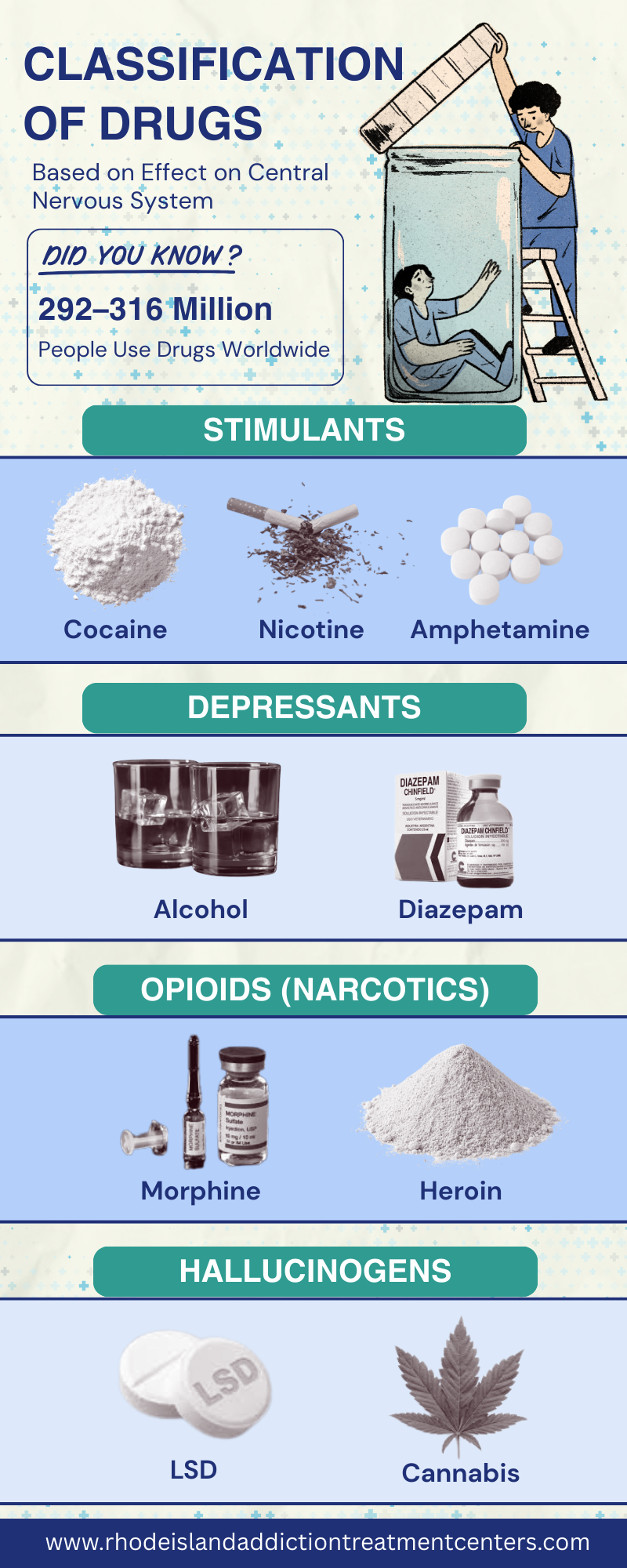
Why Can Cannabis Be Hard to Stop?
Several things can make it difficult to stop using cannabis. This includes:
Frequent Use
Using cannabis frequently can make it harder to cut back or stop.
Starting at a Young Age
People who start using cannabis during their teens are at a higher risk of developing problems with use.
Stronger Cannabis Products
Products with higher levels of THC may increase the risk of developing cannabis-related problems.
Using Cannabis to Cope
If you use cannabis to cope with stress, anxiety, sleep issues, or tough emotions, stopping can be difficult. This is because you might not have other ways to handle those feelings.
Cravings and Withdrawal
Cravings and withdrawal symptoms can make you want to use cannabis again, even when you’ve decided to stop.
Marijuana Use and Mental Health
Cannabis use can also occur alongside other mental health concerns.
Some people use marijuana to help with anxiety, depression, trauma, or other emotional issues. It can feel like a temporary way to cope. However, long-term use can lead to new problems that also need attention.
According to Rhode Island’s Department of Health, people with certain mental health conditions and substance use disorders may have a higher risk of problems related to cannabis.
Treating the underlying concern and the marijuana use together may provide a more complete approach to recovery.
Treatment for Marijuana Use Disorder
Treatment for cannabis use can be different for each individual. The best approach depends on how cannabis affects your life, how often you use it, and if you have other mental health or substance use issues.
Individual Therapy
One-on-one therapy can help you understand why you use cannabis and identify situations that trigger cravings. You can also learn healthier ways to manage stress and difficult emotions.
Group Counseling
Group sessions give you a chance to learn from others going through similar challenges.
Outpatient Treatment
Outpatient programs help you to receive regular treatment while continuing to live at home. This is a good option if you need support but don’t require inpatient care.
Treatment for Co-Occurring Concerns
If you’re also dealing with anxiety, depression, trauma, or another substance use problem, co-occurring disorder treatment can address these concerns alongside marijuana use disorder.
The goal is to help you reduce or stop using cannabis, understand why you use it, and find healthier ways to cope.
Finding Treatment for Marijuana Use Disorder in Rhode Island
If cannabis is starting to interfere with your life, you don’t have to wait until the problem becomes severe before asking for help!
Rhode Island Addiction Treatment Centers can help you understand what’s happening and explore your treatment options.
Getting help doesn’t have to mean making a major decision right away. It can start with a conversation, an assessment, and an honest look at how cannabis is affecting your life.
If you’re ready to take that first step, reach out to us and learn more about marijuana use disorder treatment in Rhode Island and find support that fits your needs.