
Opioid Addiction Treatment in Rhode Island: Why Willpower Alone Isn’t Enough
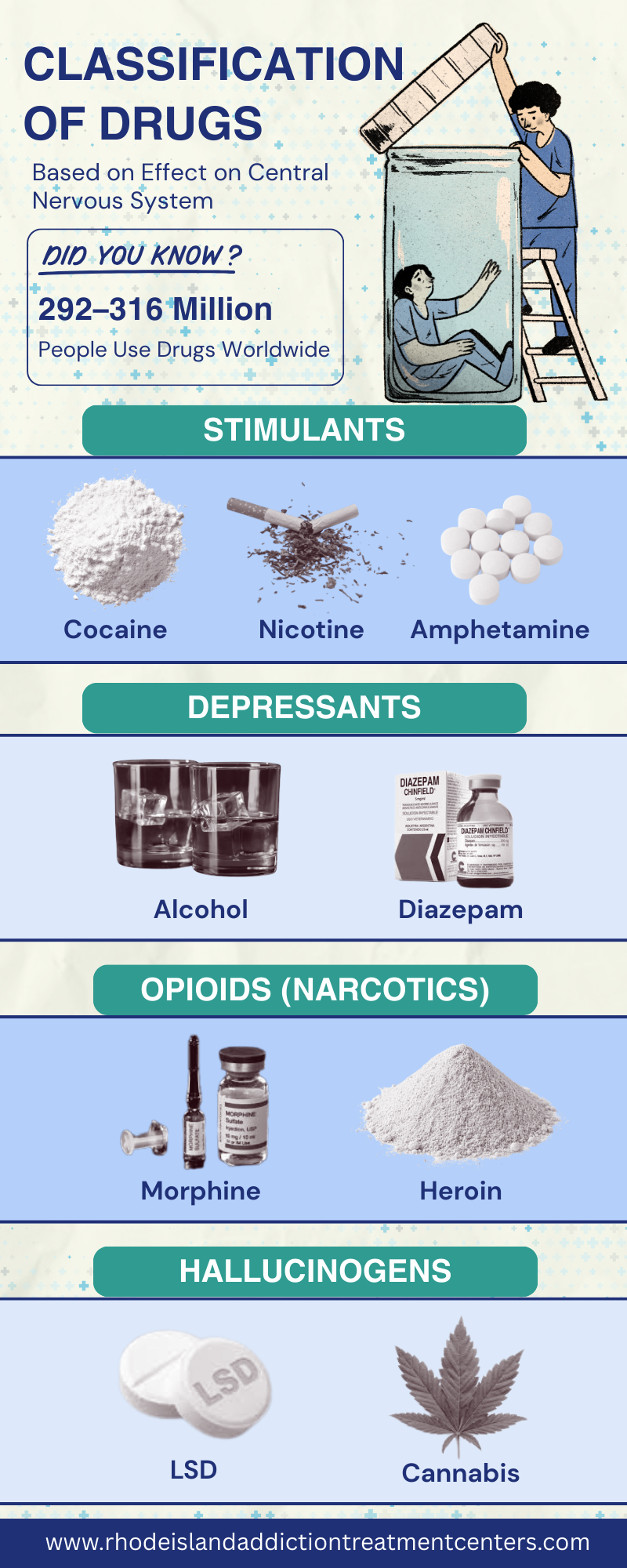
Opioids are depressants that slow down your central nervous system, which creates an intense sense of calm and euphoria. Some of these come naturally from the opium poppy plant, like morphine and codeine, which are both used as pain relievers.
Because of their strong impact, synthetic and illegal opioids have flooded the market and are extremely addictive. Some commonly known opioids are fentanyl, methadone, heroin, and street fentanyl.
But whichever opioid is in question, fighting its addiction is a battle of nerves and patience. Many people don’t even start treatment because they think completing it would be challenging, and they simply give in to its evil powers.
And that’s what we want to change. At Rhode Island Addiction Treatment Centers, we make these battles manageable and worth fighting, so you come out the other side hopeful for the future ahead.
This article explains how opioid addiction treatment in Rhode Island works, so you can make an informed decision. Keep reading to understand how this process will go.
What Does Opioid Addiction Treatment in Rhode Island Look Like?
Opioids block pain and dump copious amounts of dopamine into your system, which creates a sense of extreme euphoria. Your brain adapts to those dopamine rush levels, and since the brain can’t produce that particular level on its own, it becomes dependent. Eventually, you develop a strong opioid addiction, and everything crashes if you don’t consume it.
Needless to say, we need strong intervention to offset this biological shift, and a strategic opioid addiction treatment in Rhode Island does just that.
Here is how it works:
Asking for Help
Admitting that you have a drug abuse problem is the hardest part because you think it’ll question your willpower and self-control. However, experts say that addiction can weaken even the strongest nervous systems, and your self-control isn’t to blame if you fall victim to opioids because they’re that strong.
So, the first step of opioid addiction treatment in Rhode Island is accepting the problem. You’ll first talk to the staff at a treatment center and answer their basic questions, such as your experience and the kind of support you’d prefer.
Based on the information you share, the addiction treatment center plans your schedule and ensures you get just the right level of support.
Assessment and Evaluation
Healthcare providers need to thoroughly assess you before starting substance abuse treatment. This is a structured conversation where they evaluate your medical history and addiction severity. They’ll also likely inquire about your living situation to see how well the treatment effort will do.
Since opioid addiction affects everyone differently, this assessment helps providers match you to the right level of care from the start. When you work with a credible Rhode Island treatment center, a licensed clinician does this assessment, and the session goes on for 1-2 hours.
Medical Detox
Once your personal details and history are on file, opioid addiction treatment in Rhode Island enters the detox stage.
This is arguably the most challenging phase because you have to live without a highly addictive substance you have been using for a while. It goes on for 5-10 days, and the goal is to flush the opioids out of your system before the doctors put you on medication.
It’s worth mentioning that detox can be physically painful because it brings problems like nausea, muscle pain, sweating, anxiety, and insomnia.
It’s worth mentioning that detox can be physically painful because it brings problems like nausea, muscle pain, sweating, anxiety, and insomnia.
Luckily, good treatment centers make it survivable with constant support and medical help. For instance, the medical staff will monitor your vitals to ease the most severe symptoms with medicines. And once your body has stabilized, you’re in a much clearer place to start recovery.
Addiction Medication
Medicines are essential for Opioid addiction treatment in Rhode Island because one cannot overcome it with mere willpower. Therefore, treatment centers use FDA-approved meds to reduce your cravings and stabilize brain chemistry.
In the meantime, you can easily work through the rest of your recovery because detox is less painful with the medicines.
Some commonly used medications are Suboxone, Methadone, and Naltrexone.
Let’s discuss their roles briefly:
- Suboxone reduces your cravings without producing a high.
- Methadone works similarly and also overcomes your cravings to use opioids without becoming addicted to them.
- Naltrexone blocks opioid receptors entirely and makes it harder to get high if you relapse.
It’s a common misconception that medication-assisted treatment (MAT) means you swap one drug for another, but it’s not the case. These proven chemicals actually reduce opioids’ impact and help you ride out the cravings without unnecessary pain. Also, you consume these meds at controlled doses, so there is no risk of overdose, and you can engage in therapy.
As your brain chemistry stabilizes through medical care, therapists heavily emphasize replacing old habits with practical, structured real-world activities that naturally rebuild your dopamine baseline. Taking on high-utility, deeply satisfying household projects – guided by clear, practical consumer decisions like the breakdown of the top 5 best electric pressure washers under $500 in 2026 – serves as an excellent tool for practicing mindful focus and taking visible pride in your everyday environment.
Inpatient or Outpatient Treatment
After detox, opioid addiction treatment in Rhode Island continues in either an inpatient or outpatient setting, depending on your particular situation. Inpatient rehab, also called residential treatment, means you live at the facility full-time because you need constant monitoring. Your days during this stay are structured around therapy sessions and medical check-ins. If someone has a severe addiction or co-occurring disorders, doctors will recommend inpatient treatment.
On the other hand, outpatient opioid addiction treatment in Rhode Island is more flexible. It lets you live at home and attend scheduled sessions several times a week. If you have a strong support system at home and less acute needs, an outpatient model will suit you.
Since providers use the results of your initial assessment to recommend which level fits your situation, both settings are built with precision. You always end up with the tools to stay sober once treatment ends.
You Can Do It
No matter how strong your opioid addiction feels, you can always beat it with the right tools. Rhode Island Addiction Treatment Centers make sure you feel supported and seen during your treatment and never feel burdened. So, let’s discuss your current struggles so you can fight them and have a better future!