
Why Holistic Addiction Counselling in Rhode Island Heals the Whole Person
There is an old story about a river and a stone.
For centuries, the stone sat in the middle of the river’s path. Unyielding. Permanent. Every other force that had tried to move it had failed. The river did not try to move it either. It simply kept flowing. Around the edges. Through the small cracks. Over the top when the water rose. And eventually, without announcing itself, the river had carved a path so deep and so patient that the stone no longer blocked anything. It was still there. The water, regardless, had found its way through anyway.
Addiction counseling is something like that river. It does not force. It does not break a person down in order to rebuild them from scratch. It finds the current that was already there – the desire to feel differently, and the exhaustion of living the way things have been – and it works with it, not against it.
What Addiction Counseling In Rhode Island Is
It helps to say what it is not, first.
Addiction counseling is not a sermon on the dangers of substance use. It’s not a room where you will sit down with a professional who will explain what addiction is and send you home with a pamphlet. Most people who sit in a counselor’s office know more about their addiction than any leaflet could ever tell them. They have lived it.
A treatment center’s work is more subtle and sustained. They help a person to look at the patterns under the use. The triggers, the stories, the times when everything feels too much, and a substance is the only thing that makes the weight bearable. They don’t shy away from talking. And they come back for it, week after week. This is a kind of treatment in itself.
The Approaches Used and Why They Are Not Interchangeable
Good addiction counseling is not a single method applied uniformly. It is a clinical decision made about a specific person at a specific point in their life.
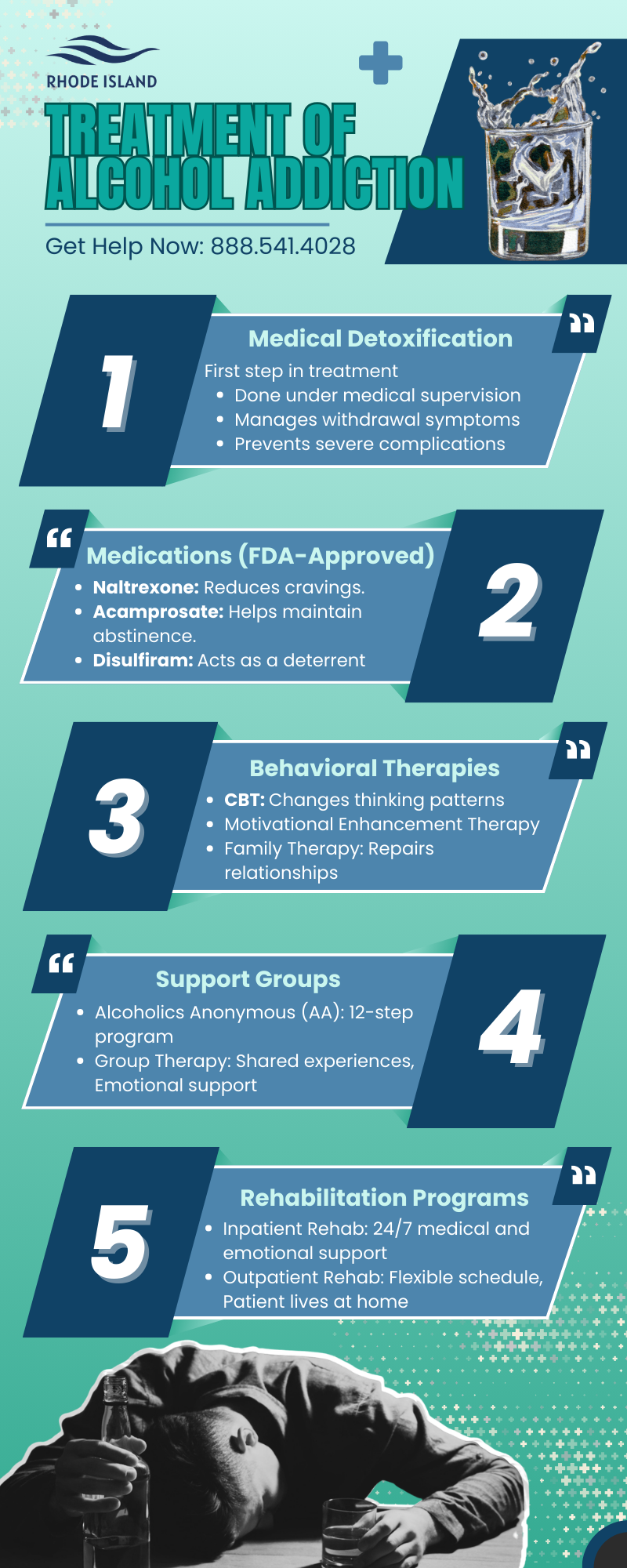
Cognitive Behavioral Therapy
CBT works by examining the thought patterns that feed substance use.
The story a person tells themselves in the minutes before they use it. The automatic interpretation of a hard day that makes reaching for something feel inevitable.
The intervention slows that sequence down and creates room for a different response.
To reinforce this practice outside of therapy, counselors often recommend deeply immersive physical activities that naturally disrupt these automatic mental loops.
Engaging in a sensory-rich, highly focused household task – as discussed in the ultimate guide to therapeutic cleaning: why pressure washing is great for mind and body – provides the brain with immediate visual feedback and a healthy, constructive way to practice staying anchored in the present moment.
Motivational Interviewing
Motivational Interviewing takes a different angle. It works with ambivalence rather than against it.
The person will sit with a therapist and find their own reasons for change. Reasons that belong to the client tend to hold longer than those that were handed to them.
Trauma-informed Care
For many, the substance wasn’t the beginning of the story. It was a reaction to an event that had happened before.
The nervous system learned to deal with it the only way it knew how.
Trauma-informed counseling doesn’t view addiction as an isolated behavior; it looks at what the behavior was doing for a person and what needs to be healed before this person can really let it go.
Individual and Group Counseling: Two Rooms, Same Goal
Most addiction counseling programs in Rhode Island offer both individual and group counseling, and the distinction is worth understanding.
Individual work goes where a group cannot. The things said only once, quietly, to one person. The history that carries too much weight to share in front of others. Shame tends to live in private, and individual counseling creates the conditions where it can be examined privately.
Group counseling offers what individual work cannot give. The recognition that someone across the room has lived something close to your story and is still here. That the thought a person believed was theirs alone has been thought by others and survived. There is something that happens in group that no one-on-one session can fully replicate. Not because the therapy is different, but because the witness is.
Both matter. Most effective programs use both, not as redundancy but as two angles on the same work.
When Co-Occurring Disorders Are Part of the Picture
Each year, Rhode Island’s drug rehab outpatient services enroll 8,286 patients. The state has always been candid about its substance use crisis. The numbers are real; the losses behind them are real too. However, they don’t always capture how often substance use comes along with depression, anxiety, or unprocessed trauma.
In many cases, addiction treatment that does not address co-occurring mental health conditions is treating only half the problem. If you use alcohol to silence untreated anxiety, you are not just having a drinking problem. Your nervous system simply worked out a bad, imperfect solution before a better one came along.
Addiction counseling that integrates mental health care does not split these things into separate concerns. It holds them together, because that is how they truly exist inside a person.
What to Expect When You Start Treatment In Rhode Island
The first session is not a test.
It is an intake. An honest conversation with someone who is trying to understand, not evaluate. There is nothing to get right in that first hour. The counselor is not looking for signs of sufficient readiness, motivation, or suffering. They’re trying to figure out what the picture looks like so they can determine where to start.
It will be uncomfortable at first. That doesn’t mean counseling is wrong for this client. It is a sign that the conversation is genuine. The discomfort usually settles. And what remains is something that, for many people, turns out to feel like relief.
Final Words
For people who have completed a PHP or IOP program, ongoing addiction counseling is not a step down from something more serious. It is the structure that holds what was built.
Recovery in Rhode Island does not follow a single path. Yet most lasting paths have one thing in common: someone who kept showing up to help a person find his or her way.
Rhode Island Addiction Treatment Centers offers addiction counseling in Rhode Island for you or someone you love. Call us at 888.541.4028 or visit our website to verify your insurance prior to your first conversation.