Pregnant and Parenting? Substance Use Treatment for Mothers in Rhode Island
Pregnancy and motherhood already carry substantial responsibilities, and substance use challenges can significantly intensify feelings of being overwhelmed. You might be concerned about your health, your children, your unborn child, or what might happen if someone finds out. However, you are not a horrible mother if you seek assistance.
Substance Use Treatment for Mothers in Rhode Island can give you a real path toward recovery while actually taking your parenting responsibilities seriously. When you get the proper level of support, addiction treatment can be integrated with pregnancy care, postpartum life, everyday parenting, and your family’s overall health.
More than 5% of newborns in Rhode Island are exposed to substances before birth, a challenge the state meets with real support instead of penalty. The focus stays squarely on supporting families through home visits, peer support, prenatal checkups, and postpartum care as you heal.
In Rhode Island, addiction treatment centers provide moms and expectant parents with access to support tailored to families navigating addiction. These local programs link you directly to medical care, recovery tools, and family services so you can get the help you need without having to step away from raising your children.
In this blog, we’re exploring substance use treatment options for pregnant and parenting mothers in Rhode Island, what treatment actually looks like, how your parenting responsibilities are handled, and where you can reach out when you’re ready to ask for actual help.
Can You Get Substance Use Treatment While Pregnant?
You can get support right now, even during pregnancy. Starting early gives you and your care team time to handle addiction, prenatal care, and mental health together.
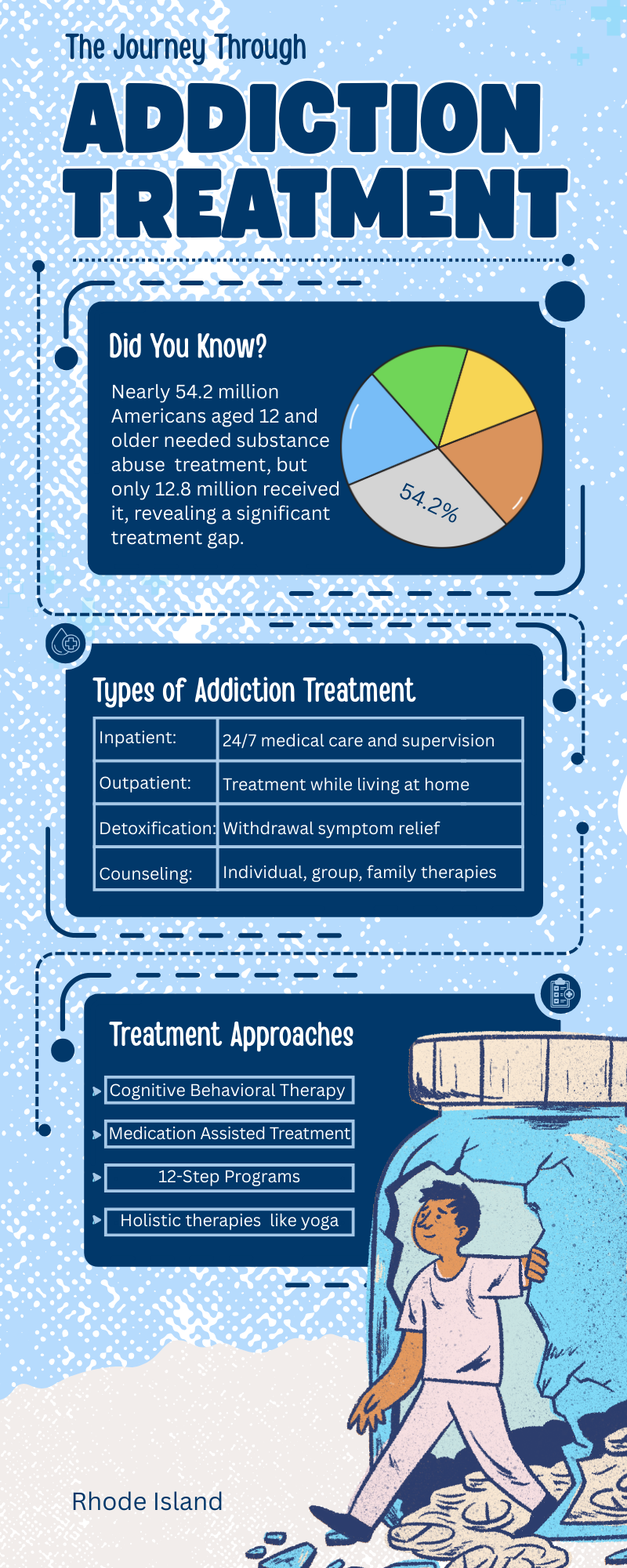
Treatment comes in different levels. Rhode Island offers a variety of substance use treatment options for mothers, ranging from regular outpatient care and intensive outpatient programs (IOP) to medication-assisted treatment, residential care, and medically supervised detoxification.
Several factors influence the selection of a suitable program, including the specific substance utilized, frequency of use, gestational stage, medical background, mental health status, and available support at home. Furthermore, personalized care plans combining pharmacotherapy with therapeutic counselling are advocated by SAMHSA, rather than uniform treatment approaches.
What Does Treatment for Mothers Actually Include?
Substance Use Treatment for Mothers in Rhode Island offers several flexible levels of care. The appropriate option depends specifically on your individual needs rather than pregnancy status or parental status alone.
Outpatient Treatment
Outpatient treatment means you go to therapy, medication appointments, recovery groups, and other services while staying home with your kids. It works great for mothers needing solid structure and support without having to live in 24-hour residential care away from your family.
SAMHSA highlights that effective care often pairs medication with counseling and therapy. Instead of forcing everyone into the exact same routine, recovery plans are customized around your actual health and personal needs.
Residential Treatment
Residential care provides a stable and secure base for women who need 24-hour support. These programs are tailored for expecting and new mothers and combine addiction treatment, parenting help, and family support under one roof.
Residential services for expectant and new mothers often rely on federal grant funding. For most mothers, recovery isn’t just stopping substance use; these grants also support family-centred programs that keep young children living on-site with their mothers in an effort to preserve family unity during recovery.
Counseling and Behavioral Support
Therapy helps moms dig into what drives their addiction and build practical tools for handling stress, trauma, cravings, and heavy emotions. Care plans often pull from proven methods like cognitive behavioral techniques or motivational counseling to meet you where you are.
For most mothers, recovery isn’t just stopping substance use. It’s building an actual life that makes continuing your recovery realistic and doable going forward.
What Happens After the Baby is Born?
Treatment for mothers doesn’t stop when your baby arrives. The postpartum stage is brutal with massive hormonal shifts, exhaustion, extra stress, and crazy life changes, all of which directly wreck your ongoing recovery and sobriety if you’re not getting support and help.
Planning for postpartum recovery
Substance use treatment for mothers in Rhode Island should extend well beyond delivery with ongoing therapy, medication support, mental health care, and community links. ACOG stresses that staying connected to treatment postpartum is critical because recovery takes time and ongoing support.
If opioids were used, your baby’s doctors might watch for temporary withdrawal symptoms. This is exactly why your addiction treatment provider, your OB doctor, and your pediatrician need to actually talk to each other and communicate.
For mothers returning home to communities across Rhode Island—including Providence, Warwick, Cranston, Pawtucket, Newport, and smaller towns—a solid follow-up plan makes treatment much easier to maintain. Substance use treatment for mothers in Rhode Island needs to address transportation, childcare, appointments, medication access, family support, and all the other real-world stuff instead of just focusing on the clinical recovery side of things.
What support can make parenting easier during recovery?
Comprehensive support goes beyond traditional addiction counseling. Solid programs connect you with housing, transportation, childcare, therapy, and medical care for you and your child to reduce everyday stress.
That additional support can make a significant difference because recovery doesn’t happen in a vacuum. You are still balancing rent, parenting duties, doctor visits, and all the usual pressures of daily life. It is nearly impossible to focus on getting healthy when you are constantly worried about rent, finding someone to watch your kids, making it to clinic visits, or dealing with a high-risk pregnancy.
Last Words!
In Rhode Island, substance use treatment options for mothers encompass outpatient services, residential programs, therapy, medication management, and specialized postpartum support. Determining the most effective care model relies on individual health status, severity of substance use, pregnancy or postpartum requirements, and household circumstances.
At the Rhode Island Addiction Center, compassionate, individualized assistance is delivered to address both personal recovery and maternal responsibilities.
To explore available treatment options and initiate care, the Rhode Island Addiction Center can be contacted today.
Read Next: Healthcare Professionals and Addiction: Discreet Outpatient Recovery in Rhode Island