
Xylazine (Tranq) in Rhode Island: New Risks and Detox Options You Should Know
Addictive substances can literally kill people because of how unregulated they are. Anyone who gets their hands on the components needed to make a drug might start making and selling it. But in all this illegal business, they overlook how these things play with others’ lives.
For example, Xylazine is actually a veterinary medicine, but the illegal drug industry is mixing it with other substances to dilute and boost them. This article explains Xylazine in detail, so no one remains misguided about it. Keep reading.
What is Xylazine?
Xylazine, or tranq, is a sedative meant for veterinary use. Vets use it to calm animals like horses, dogs, and cats before surgical procedures. Also, they use it to manage pain and relax muscles when the animal is injured. That said, tranq has never been approved for use in people.
However, it’s still being consumed in the unregulated, recreational category. Upon finding its relaxing properties, drug dealers started mixing Xylazine into street drugs, most often fentanyl, to stretch out its short-lived high and also cut production costs.
In essence, tranq slows down the user’s breathing, heart rate, and brain activity, all of which deepen whatever sedative effect the other drug already has. Addiction treatment centers note that people who use tranq-laced drugs stay dangerously sedated for hours longer than they’d expect.
And to make things worse, this chemical is also hard to trace. Most substance users who encounter it don’t know it’s there because it has no smell or taste. Tranq also rarely shows up on standard drug screens, which makes it one of the more dangerous unknowns in today’s illicit drug supply.
What Are the Risks and Detox Options for Xylazine?
Heroin, fentanyl, cocaine, benzos, and other such evil substances are dangerous enough as they are. But when their effect is further enhanced with another unchecked chemical, breaking out of their addiction is 10x harder.
Suppose someone takes a small dose of fentanyl, but it’s adulterated with tranq, so the user stays sedated and numb for much longer. Now, if this person decides to live a sober life, they’ll have to fight an even harder battle than someone who only used fentanyl.
That said, here are the things that make Xylazine detox in Rhode Island different:
Naloxone Doesn’t Reverse It
A scary reality about tranq is that the drug most people trust to save a life during an overdose simply doesn’t work on it. Naloxone reverses opioids, and xylazine is a sedative that works through a different pathway in the nervous system, so Narcan doesn’t help with it.
If someone overdoses on tranq-laced fentanyl, naloxone can reverse the fentanyl but leave the person still deeply sedated and struggling to breathe. This gap catches many people off guard, and calling 911 right away is still essential.
Severe Skin Wounds
A crazy thing that happens after tranq is skin sores that just won’t close. These wounds can show up anywhere on the body, not only where someone injected the drug. Also, sometimes what starts as a small sore can turn into dead tissue within days if not treated.
Notably, poor blood flow caused by the drug seems to be behind this damage, so it doesn’t matter if you inject, snort, or swallow tranq; the risk of ulcers is there either way. If someone is showing unexplained sores alongside opioid use, they should be checked for xylazine.
Higher Overdose Risk When Mixed with Opioids
Here’s an unsettling fact: fentanyl alone is already one of the deadliest drugs on the street, and tranq makes it worse. Xylazine deepens and stretches out sedation, so when it’s paired with an opioid, the two work together to slow breathing and heart rate even further than either would alone.
This is the real danger behind tranq-laced fentanyl because some users can end up unconscious for hours, sometimes slumped in positions that cut off circulation, while their breathing dangerously slows. Since two different drug mechanisms are compounding each other, a standard overdose response falls short. Therefore, more Rhode Island providers are working to get the word out about tranq showing up in the local supply.
Standard Drug Tests Often Miss It
Did you know that a drug test can come back clean even when xylazine caused the overdose? That’s because routine toxicology panels aren’t built to catch it, and the drug clears the body fast.
A standard screen might create a blind spot while a treatment center is trying to build a safe detox plan. Luckily, specialized test strips do exist and are slowly becoming more available through harm reduction programs. And while these are still far from standard practice, Rhode Island facilities that specifically test for xylazine are equipped to catch it early.
Medical Detox Is Inevitable
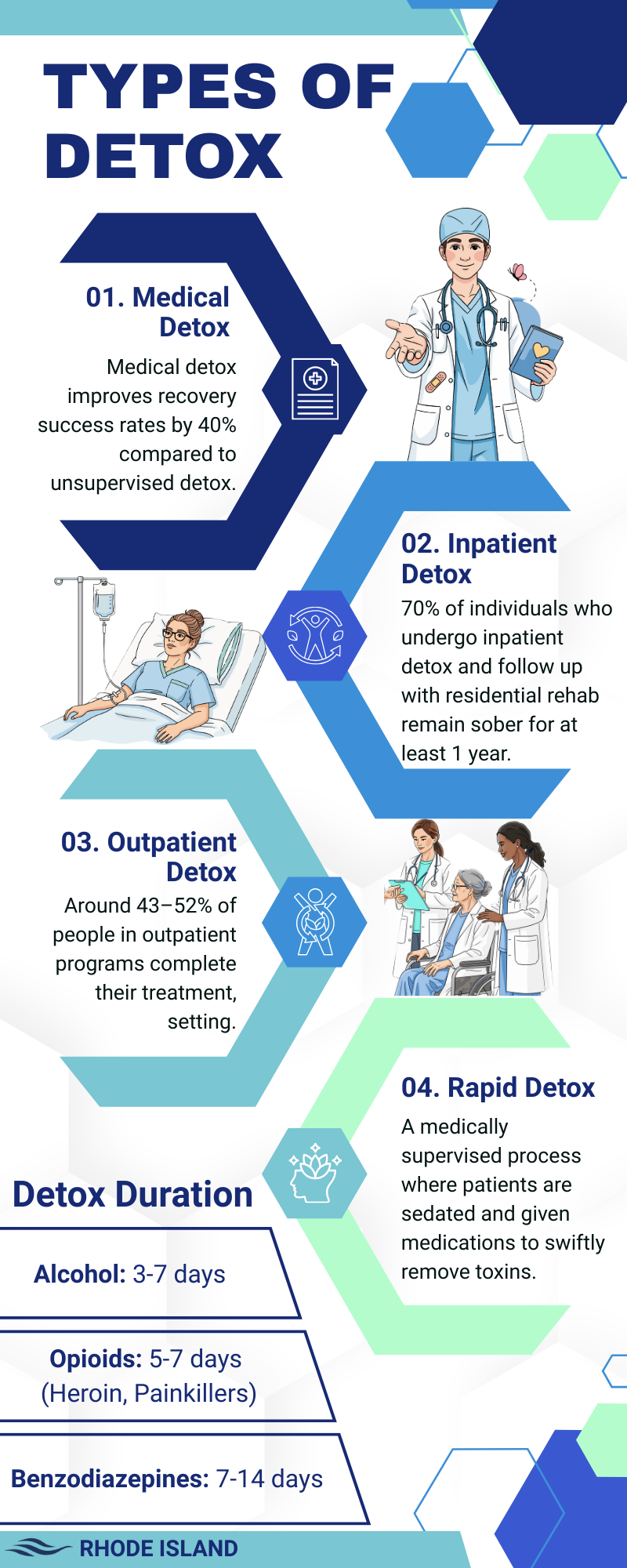
Addiction treatment experts say that no one should try coming off tranq alone because it can be dangerous. Xylazine withdrawal doesn’t follow the same pattern as opioid withdrawal, which makes unsupervised detox especially dangerous. People withdrawing from tranq-laced drugs can face severe anxiety, restlessness, and dangerously low blood pressure, all layered on top of ongoing opioid withdrawal.
If a person attempts detox without support, it can turn life-threatening, which is why medical detox becomes the only real option once xylazine is suspected. When you’re in supervised care, it allows staff to monitor vital signs and manage co-occurring withdrawal while keeping you stable. From there, detox opens the door to a full treatment program built for lasting recovery.
The Dangers are Evolving, and So is Treatment
Things like tranq can further ruin one’s willpower and immunity because it’s often mixed without people’s knowledge. Therefore, Rhode Island Addiction Treatment Centers want you to take detox seriously and get a thorough evaluation done to ensure nothing goes unnoticed. No matter how strong the grip of drugs is, it can be uprooted, so don’t lose hope.