
Fentanyl Addiction Treatment in Rhode Island: 5 Signs You Shouldn’t Ignore
Fentanyl is among the most powerful drugs whose dependence builds fast. It also works faster than most opioids, and by the time most people realize they’re addicted to it, reversing and stopping it is a huge challenge.
Sadly, most people wait for a rock-bottom moment before they consider fentanyl addiction treatment in Rhode Island, but that’s a dangerous risk. This drug can quickly become life-threatening, and overdosing on it just to feel its initial impact is pretty common.
That’s why you must know the signs that call for urgent fentanyl addiction treatment in Rhode Island. This blog breaks down those signs that tell you the addiction has taken hold and why starting treatment should be your topmost priority. Keep reading so your well-being is never compromised.
How Does Fentanyl Addiction Have You in a Chokehold?
Fentanyl is a synthetic opioid that is 50-100 times more potent than morphine, i.e., the most commonly prescribed pain medicine. Here is how fentanyl works:
Since it’s supposed to deliver a calming effect, it binds to opioid receptors in the brain with an intensity that most drugs can’t match. When you consume it, it floods your brain with high dopamine levels that are far beyond anything it produces naturally.
If the brain keeps receiving high dopamine from an external source, it stops producing it and simply waits for the next dose. And when you don’t give it that dose, you don’t feel the normal human emotions that come from dopamine. Because the brain has now rewired itself around the drug, stopping it triggers a full physical shutdown.
You face problems including (but not limited to) muscle cramps, vomiting, severe anxiety, and insomnia. Needless to say, this is a full biological takeover because you can’t function normally without this drug, and that’s exactly why fentanyl addiction treatment in Rhode Island exists.
When to Start Fentanyl Addiction Treatment in Rhode Island?
Fentanyl addiction can quickly progress and risk your life, so if you have experienced any of these signs, start treatment right away:
1. Withdrawal Starts Within Hours of the Last Dose
Most addictive substances take a day or two before their withdrawal starts hitting you, but it’s different with fentanyl. It clears the system fast, and its withdrawal can start even within 4-6 hours of the last dose. Put simply, if you don’t consume it for a few hours, you’ll have profuse sweating, muscle cramps, and severe anxiety. All of these issues then push you to use again, and you never break out of the cycle.
This quick withdrawal happens because at that point, your body has stopped functioning on its own and needs the drug to maintain basic stability. That’s physical dependence, and it’s serious: people in this stage keep taking more and more fentanyl because otherwise, it feels physically unbearable.
So if your withdrawal starts this fast, understand that the body has already crossed into severe dependence, and fentanyl addiction treatment in Rhode Island is inevitable.
2. Naloxone Has Been Used On You
Naloxone is a medication that reverses an opioid overdose and is used when someone has stopped breathing or is unresponsive after a drug dose. This med blocks the drug’s effect on the brain and helps save your life.
Needless to say, if it has been used on you, your body has already begun shutting down and needs immediate help. Fentanyl is so potent that the difference between a dose that gets you high and one that stops your breathing is super thin. Also, surviving an overdose is not a sign that things are under control; it means you were lucky, and the same outcome might not come around again.
Remember that one overdose is enough data to prove that this dependence has reached a point where fentanyl addiction treatment in Rhode Island shouldn’t be delayed.
3. Your Tolerance to the Drug Has Spiked
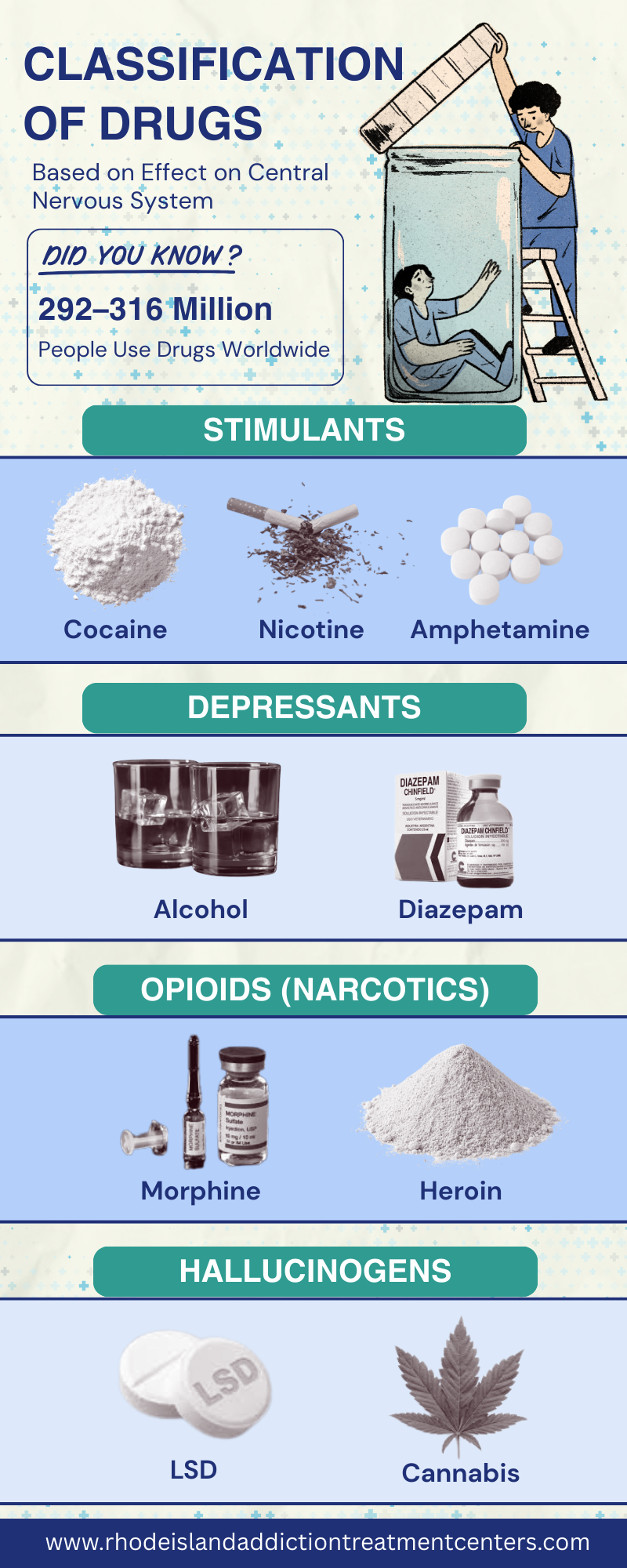
The thing with opioids like heroin and fentanyl is that you have to keep increasing their dose to “feel” their effect. That said, if the amount that got you high a month ago barely does anything now, it means your tolerance has increased. And this is not a good sign.
Fentanyl’s tolerance increases so rapidly because the opioid receptors get so heavily activated that they start reducing their sensitivity. As a result, your body starts demanding more to feel normal, which means even faster tolerance and frequent use. So it becomes a vicious cycle that only well-planned fentanyl addiction treatment in Rhode Island can break.
4. Using to Avoid Withdrawal, Not to Get High
As explained earlier, regular drug use reduces its impact and doesn’t bring the same euphoric feelings anymore. Then, you only consume it so you don’t get sick, and to have dopamine in your system, because otherwise, your emotions are a mess. If you have experienced this shift, it’s one of the most telling signs to immediately start fentanyl addiction treatment in Rhode Island.
People at this stage feel stuck because stopping means brutal withdrawal, which scares them. So they continue using more and more to avoid that discomfort. But in reality, this pattern ruins their health and willpower. Therefore, medically managed withdrawal followed by complete fentanyl addiction treatment in Rhode Island is the way out.
5. Dosing Every Few Hours Around the Clock
Fentanyl has a short half-life: it exits the system quickly, and its withdrawal comes back fast. So when someone is dependent on it, that turns dosing into a round-the-clock activity, and they keep doing it repeatedly.
People in this pattern often describe it as just maintaining or keeping the sickness away. When a drug dictates the entire day, it means the addiction has taken over in a very complete way. Luckily, fentanyl addiction treatment in Rhode Island can give the body a structured way out of the constant loop.
Treatment is Doable
Substance abuse treatment can seem scary and isolating, but it’s not. After the initial discomfort is over, you can very well manage the recovery phase alongside other things and get better. Rhode Island Addiction Treatment Centers are also here to make recovery practical and accessible for everyone. So let’s talk and get you out of this chaos.