
Cocaine Addiction Treatment in Rhode Island: Signs and Recovery Options

Cocaine Addiction Treatment in Rhode Island: Signs and Recovery Options

Cocaine Addiction Treatment in Rhode Island: Signs and Recovery Options

Cocaine Addiction Treatment in Rhode Island: Signs and Recovery Options

“Cocaine addiction rarely announces itself all at once. More often, it shows up in patterns people try to explain away.”

That is exactly why cocaine addiction treatment in Rhode Island matters so much. Cocaine remains a serious stimulant problem, and many people delay help because the warning signs feel easy to dismiss. 

In 2019 alone, about 5.5 million Americans reported past-year cocaine use, which shows this issue is far from rare. What works best is early recognition, a structured treatment plan, behavioral therapy, relapse prevention, and support that fits daily life. 

In this article, we’ll break down the signs, explain the risks, and look at recovery options that actually help people move forward.

Why Cocaine Addiction Is Easy To Miss At First

Cocaine addiction often hides behind energy, confidence, or “just occasional use.” At first, it can look harmless. A person may seem more talkative, more social, or more productive. That can fool families and even the person using it.

But cocaine is a stimulant, and stimulants don’t stay friendly for long. Repeated use can shift into cravings, mood swings, secrecy, and risky choices. Some people keep working or socializing for a while, so the problem stays hidden until it starts causing damage.

Early Signs People Should Not Ignore

The signs of cocaine misuse don’t always arrive in a neat package. They tend to show up in layers. One week, it may be a sleep problem. The next week, it may be money trouble or sudden irritability.

Common warning signs include:

  • Sudden bursts of energy followed by crashes.
  • Irritability, paranoia, or unusual secrecy.
  • Sleep disruption and restlessness.
  • Nosebleeds or a constantly runny nose.
  • Loss of appetite and weight loss.
  • Risky behavior or impulsive decisions.
  • Financial problems tied to use.

When Occasional Use Becomes Addiction

The line between use and addiction gets crossed when cocaine starts running the show. A person may keep using even after clear harm appears. Cravings get harder to ignore. Daily life starts revolving around getting it, using it, or recovering from it.

That is where cocaine abuse signs become more than a warning. They become a signal that treatment is needed. In many cases, cocaine dependence grows quietly before anyone says it out loud.

Common Emotional Signs:

  • Anxiety and paranoia.
  • Mood swings and irritability.
  • Shame or defensiveness.
  • Depression after use.

Common Physical Signs:

  • Dilated pupils.
  • Nosebleeds.
  • Fast heartbeat.
  • Appetite changes.

Common Lifestyle Signs:

  • Missed work or school.
  • Secretive behavior.
  • Spent money without a clear reason.
  • Strained relationships.

What Cocaine Addiction Does To The Mind And Body

Cocaine does not just affect mood for a few hours. It can strain the whole body. Heart rate rises. Blood pressure climbs. That can increase the risk of chest pain, stroke, seizures, and serious cardiac problems. Over time, the body pays a steep price.

The emotional side can be just as rough. People may struggle with anxiety, panic, depression, impulsive behavior, or brutal crashes after binges. Cocaine has also been linked to large numbers of emergency room visits and remains involved in a significant share of overdose deaths. That is why stimulant addiction symptoms should never be ignored.

Why Cocaine Addiction Often Gets Worse Quickly

Cocaine’s high is short-lived. That is part of the trap. People often use again in the same session just to chase the first feeling. Then the crash hits, and they use more to escape it.

Tolerance can build fast. So can compulsive patterns. A person may start out using “just on weekends” and end up unable to stop when stress hits. Before long, the habit has teeth.

Who May Face a Higher Risk

Different groups face different levels of pressure. Young adults are more at risk, and so are people with trauma, mental health problems, or an unstable living situation. Stress can easily make someone turn to cocaine for relief.

Short-Term Dangers

  • Nervous breakdown.
  • Strain on the heart.
  • Increased risk of poor decisions.
  • Insomnia.

Long-Term Damaging Effects of Cocaine

  • Death.
  • Damaged relationships.
  • Worse mental health.
  • Lower performance at school or work.
  • Increased risk of cocaine dependence.
  • Anxiety
  • Peer pressure
  • Chaotic home environment
  • Smuggling cocaine

What Kind of Treatment Works

The first important thing to understand is that recovery is far more complex than treatment for cocaine alone. Although there is no specific FDA-approved treatment for cocaine, unlike opioid dependency, recovery is far more than treatment of behavior, addiction, and the structures that support and prevent relapse.

Recovery is absolutely attainable, but the plan needs to be more realistic than it is good.

Importance of Behavioral Therapy

First and foremost, recovery from cocaine addiction requires a lot of behavioral therapy in order to teach people the patterns they are otherwise unable to recognize. Cognitive behavioral therapy teaches the relationship between thoughts, impulses, and behavioral patterns. Motivational interviewing enhances commitment when it is low.

Peer support and group therapy are important for recovery because they both tackle feelings of shame and isolation. Individual therapy helps people tackle the underlying problems of their substance abuse, which can be anything from grief to trauma and even burnout.

These Approaches Help People To:

  • Identify triggers.
  • Challenge harmful thinking.
  • Manage cravings.
  • Rebuild daily routines.
  • Stay accountable.

Why Structure Matters In Stimulant Recovery

Cocaine addiction often thrives in chaos, secrecy, and impulsive behavior. Recovery works better when life gets more organized. A clear schedule can make a real difference. So can regular check-ins and written goals.

Think of it like fixing a cracked sidewalk. You cannot patch one spot and ignore the rest. The whole path needs attention. That is why behavioral therapies work best when they are part of a bigger plan.

 
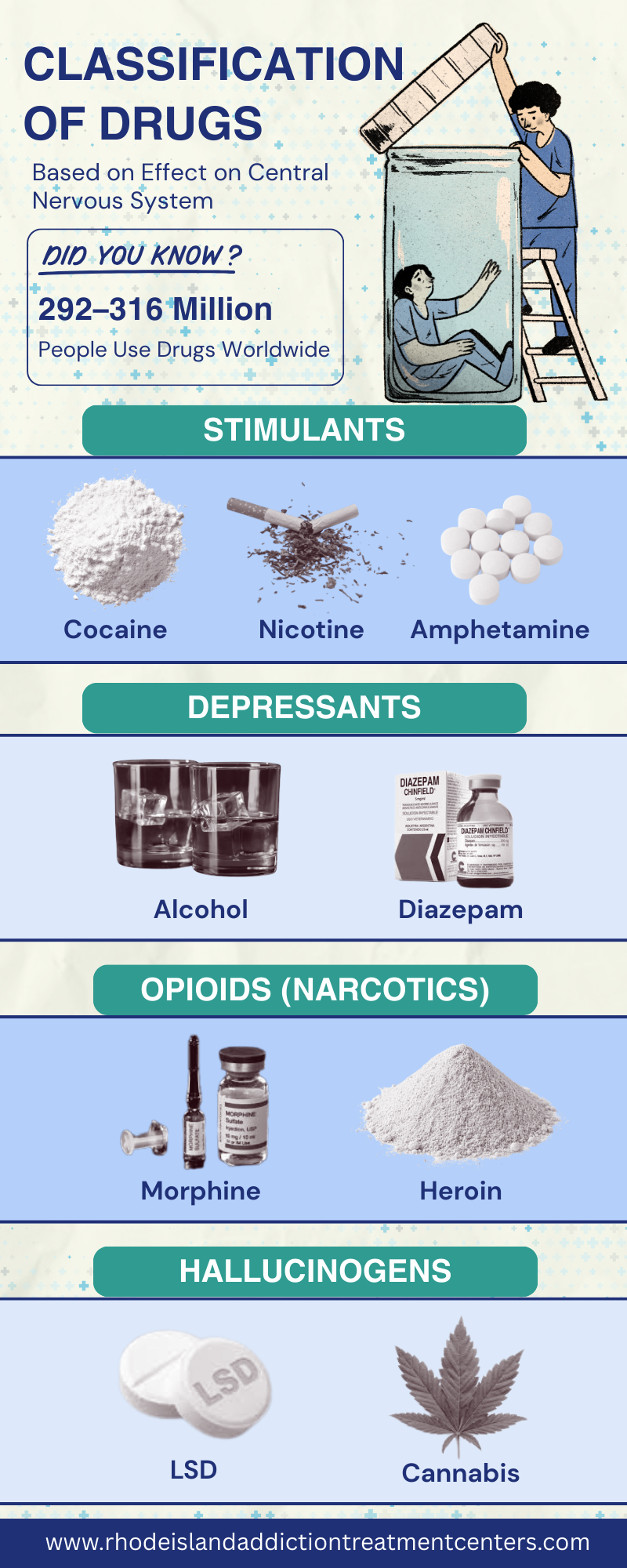
Drugs Effect on Central Nervous System

Treating The Issues Underneath The Cocaine Use

Cocaine use rarely exists in a vacuum. Anxiety, depression, trauma, burnout, grief, and relationship stress can all play a role. Good treatment should address those issues too. Otherwise, the person may stay sober for a while and then slide back when life gets heavy.

Therapy Can Help Patients:

  • Understand triggers.
  • Build coping skills.
  • Handle stress in healthier ways.

Recovery Plans Should Also Address:

  • Mental health concerns.
  • Sleep problems.
  • Social pressure.
  • Daily routines.

Relapse Prevention Should Include:

  • Trigger mapping.
  • Emergency coping steps.
  • Support contacts.
  • Follow-up care.

What Treatment Can Look Like In Rhode Island

Effective treatment has to work in real life, not just on paper. Many adults need care that fits around jobs, parenting, transportation, and family duties. That is why outpatient care matters so much. At Rhode Island Addiction Treatment Centers, we offer evidence-based outpatient and intensive outpatient services for adults, which makes this approach especially relevant.

Some people need structure without stepping away from daily responsibilities. Others need a higher level of care first. The right path depends on safety, stability, and how severe the cocaine use has become.

When Outpatient Treatment May Be A Good Fit

Outpatient care can work well for people who have a safe home environment. It also helps when someone can attend sessions regularly and stay connected to support. If there is no immediate need for 24/7 supervision, outpatient treatment may be the right start.

When A Higher Level Of Care May Be Needed First

Some people need more support before stepping down to outpatient care. Severe instability, strong mental health symptoms, repeated relapse, unsafe living conditions, or complicated substance use patterns can all raise the risk. In those cases, a more intensive setting may be safer at first.

Why Step-Down Support Matters

Sometimes recovery starts in a more structured setting and then shifts into outpatient care. That step-down model can help people keep momentum. It gives them support first and flexibility later. That is often where long-term progress begins.

Outpatient Care May Fit If:

  • The home is stable.
  • Treatment attendance is realistic.
  • Support is available between visits.

A higher Level Of Care May Be Safer If:

  • Mental health symptoms are severe.
  • Relapse keeps happening.
  • The living situation is unsafe.

Case Study: A Providence-Area Adult Recognizes The Pattern

29-year-old professional began using cocaine socially on weekends. At first, it seemed like a party habit. Over time, use increased during stressful periods and started spilling into weekdays. Soon, sleep problems, irritability, hidden spending, and strained relationships followed.

The person tried to stop alone. That worked for a little while. Then a stressful week came along, and use started again. Recovery improved after entering structured outpatient treatment, attending therapy, identifying triggers, building new routines, and involving a trusted family member.

➡️ For a closer look at practical recovery support, read our latest blog, “Opioid Addiction Treatment in Rhode Island: What Actually Works,” and see how it connects with the care options discussed above. 

How To Choose The Right Cocaine Treatment Program

Not every treatment option gives you the same chance to rebuild your life. The best programs look beyond a single symptom and treat the whole picture. That matters when searching for cocaine rehab in Rhode Island or outpatient cocaine addiction treatment.

What To Look For In A Program

A good program should offer licensed clinicians and real behavioral therapy options. It should also screen for mental health concerns and offer individualized planning. Family support can help too, especially when trust has been damaged.

Look For Programs That Offer:

  • Licensed clinical staff.
  • Behavioral therapy.
  • Dual diagnosis support.
  • Personalized care plans.
  • Family education or support.
  • Relapse prevention planning.
  • Flexible outpatient scheduling.

Questions To Ask Before Enrolling

You do not need fancy language here. You need clear answers. Ask direct questions before choosing a program. The right answers can save time and frustration later.

  • Do you treat cocaine addiction specifically?
  • Is mental health support part of treatment?
  • How many sessions will I attend each week?
  • What happens if I relapse?
  • Will my plan be adjusted over time?
  • Do you offer family support or education?

Recovery Starts With The Next Step

Cocaine addiction can feel fast and chaotic, but recovery usually starts with one clear decision. The most effective plans combine early intervention, therapy, structure, trigger management, and continued support. That is what helps people regain control and stay steady.

If you or someone you love is struggling, don’t wait for a crisis to make the call. A confidential conversation, an assessment, or insurance verification can be the first solid step. For anyone searching for cocaine addiction treatment in Rhode Island, the best time to act is now.