Fall Relapse Prevention: Staying Sober After a Rhode Island Summer
Labor Day does something specific to a Rhode Island beach town. Narragansett’s boardwalk stops buzzing. Misquamicut’s lots go from packed to empty within a weekend. The Block Island ferry runs half as often, then a third as often, then barely at all. Shutters go up. Patios close. A town that felt alive all summer suddenly feels like it’s holding its breath.
Nothing about the town changed overnight. The only aspect that shifted was the crowd that was propping it up. Recovery meetings see something similar this time of year: attendance tends to thin out starting around Halloween, the leading edge of a stretch of the calendar tied to drug relapse rates rising by more than 150 percent. Hence, if you got through this summer sober, you might be feeling something similar right now, even if you can’t quite name it.
Why Summer Felt Easier Than You Think
Summer doesn’t ask much of you. It hands you a schedule. Cookouts instead of bars. Beach days instead of long, empty evenings. Sunlight until almost eight at night, which does more for a nervous system than people realize. You get a packed social calendar that fills the hours you might otherwise spend alone with your thoughts.
None of that structure was something you built. It was something the season handed you, for free, without you asking.
That matters, because it means feeling steady all summer wasn’t necessarily proof that recovery is “handled.” Some of that steadiness was you. Some of it was the season doing quiet, invisible work on your behalf. There’s no shame in that. However, it’s worth knowing the difference, because the season is about to stop doing that work.
What Truly Changes When the Season Turns
Fall doesn’t announce itself as dangerous. It just rearranges things.
The days get shorter, and that’s not a small detail. Less daylight disrupts sleep, and disrupted sleep is one of the more reliable ways a person ends up more impulsive and more drawn to old coping habits, whether or not they realize it’s happening. Add the clocks falling back in November, and a lot of people’s internal rhythm gets thrown off right when the routine stress of the year is ramping back up. School starts. Work picks back up after the summer lull. The cold pushes people back indoors, which sounds harmless until you notice how much of your “good summer” was happening outside, in the sun, around other people.
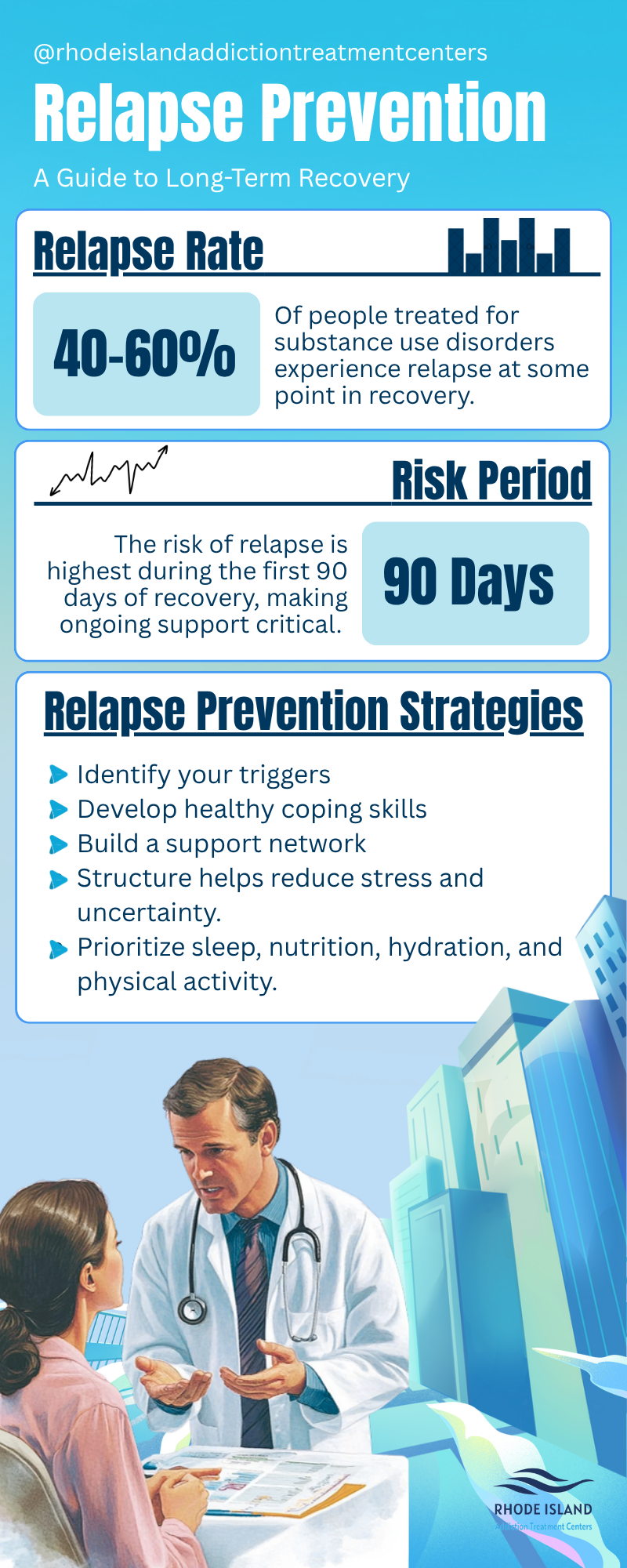
Relapse is almost never a single moment. It’s a gradual pull that usually starts weeks before anything really happens. This means the version of you reading this in September has more leverage than the one who might be struggling in November. That’s not a scare tactic. That’s just how the timeline works.
The Warning Signs Worth Naming
Not clinical, just honest. These are the small shifts people in recovery report noticing in themselves, usually before they’d admit anything was wrong out loud.
- Pulling back from meetings, check-ins, or people who’ve been part of your support
- Catching yourself romanticizing “the good old days,” even ones that weren’t quite as good
- Sleep that’s suddenly worse, or a mood that’s suddenly sharper
- A quiet sense of boredom or flatness now that the busy season is gone
- Skipping the small routines that used to feel automatic
None of these mean something has gone wrong. They mean something is asking for attention.
Building Your Own Off-Season Structure
The beach towns don’t disappear in the fall. They just stop running on tourist energy and start running on whatever the year-round residents built for themselves. That’s the shift worth making here, too.
Take an honest look at what summer gave you without you asking for it, and then go build each piece on purpose. If the beach gave you your daily movement, find another activity that provides that same benefit indoors: a gym, a walk you always take, or something your body relies on. If cookouts gave you built-in connection, that connection needs a fall version too, whether that’s a standing weekly meeting, a call you don’t skip, or people you see on purpose instead of by coincidence. If sunlight was quietly doing mood work for you, a light box or a consistent morning routine can pick up some of that slack.
And build the plan before you need it. Not “what will I do if things get hard,” but the actual, specific version: who you call, where you go, and what the first move is. The people who weather this season well usually aren’t the ones who never struggle. They’re the ones who already know what to reach for when they do.
Also Read: Trauma-Informed Addiction Treatment in Rhode Island: Healing the Root Cause
How Rhode Island Addiction Treatment Center Can Help
You don’t have to work through your off-season structure and wait until it’s already crashed before reaching out for help.
That could look like re-entering outpatient support for the season, not because something’s gone wrong, but because a more structured approach at a time when the days are short is a good idea. It might mean picking individual therapy back up to work through what surfaces when summer’s noise quiets down. It could be as straightforward as a brief check-in call just to let someone know that the landscape feels a little different this fall.
Our team has seen this pattern unfold year after year. Those who contact us in September while things are still manageable have an easier fall than those who wait for a crisis to occur before they do anything about it. Asking sooner rather than later is not an indication of something being wrong with you!
Final Words
The town closing up for the season was never the end of the town. It’s just the part the tourists don’t see, the quieter version that was there all along, running on something steadier than a summer crowd.
Your recovery works the same way. The version of it that leaned on sunshine and full social calendars is closing for the season. That doesn’t mean recovery is ending. It means it’s about to run on something more durable if you build it on purpose.
If you are beginning to feel that shift already – the quiet, restless, off-season that is coming on – don’t think of it as a failure; think of it as an opportunity. Contact Rhode Island Addiction Treatment Center before your fall begins, not after.