
What are Emotional Triggers in Recovery?
Your emotions dictate your life to a great extent, especially when they’re the uncomfortable ones. For example, you might start avoiding gatherings because you ‘feel’ watched or irrelevant when surrounded by people. Now, while these feelings could be true, they don’t have to drive your actions because you can overcome your emotions.
But sadly, most of us let feelings and emotions handle our life’s driving wheel, which isn’t always healthy. And when we look at addiction or alcoholism from this perspective, emotions surely can be the villain. Even when someone starts rehab to fix their drug addiction, feeling uncomfortable or unfamiliar emotions could push them towards a temporary escape, i.e., using the substance again.
Therefore, addiction recovery experts emphasize educating people about emotional control if they want to recover and get over this problem. This article zeroes in on the subject and explains what emotional triggers in recovery can alter your progress. Keep reading to learn how to spot them before they do any harm.
Emotional Triggers of Addiction
Addiction mostly comes from a place of lack; you start it to fill a gap that’s making you feel a certain way. For example, someone might be drinking heavily to forget their life’s stressors and responsibilities. Similarly, intense grief could force one to turn to drugs because they numb the pain and make them feel dissociated. Therefore, successful recovery requires one to spot and manage emotional triggers of addiction for lasting change.
That said, here are the main emotional triggers in recovery:
Stress
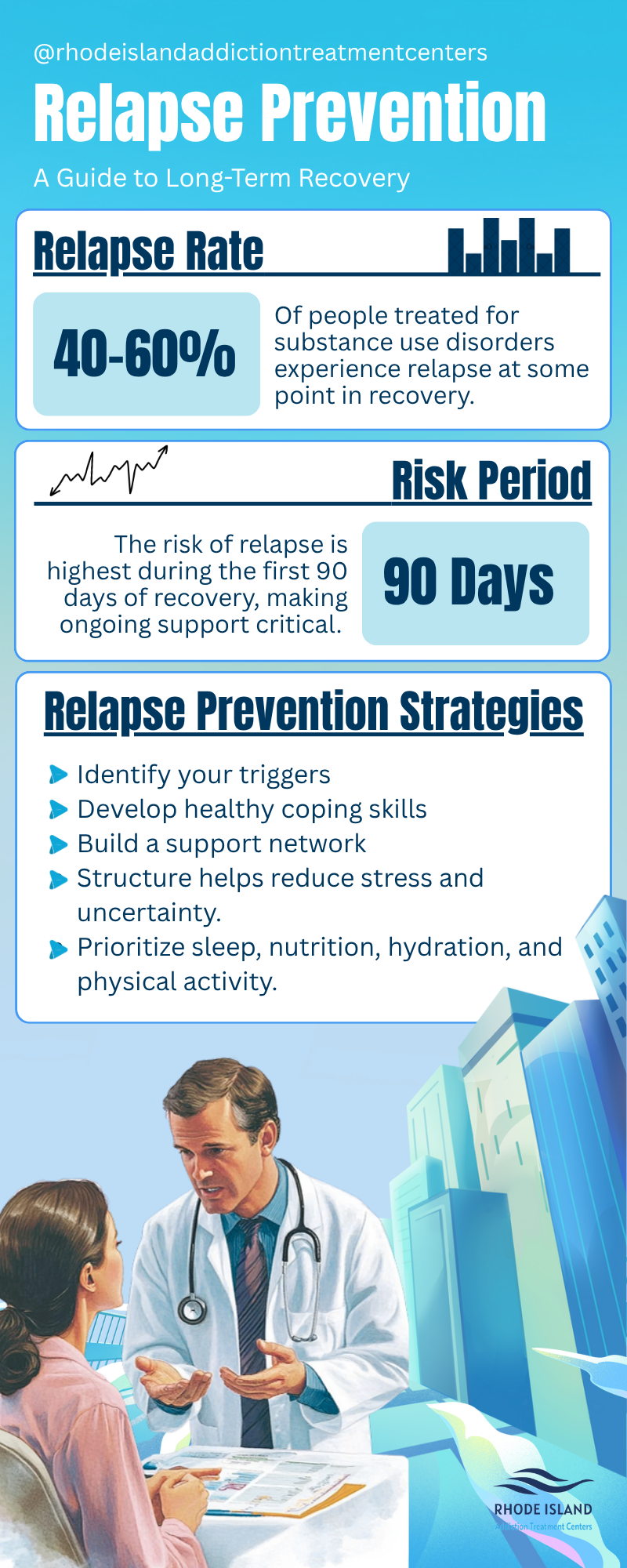
Stress is one of the biggest emotional triggers of addiction because it weighs us down and forces us to find an escape. In this overly competitive world, stress could be from work pressure, family responsibilities, social problems, and the general chaos in the world. It’s our body’s natural response to pressure and affects everyone differently. If this difficult emotion isn’t managed properly during addiction recovery, it can trigger a relapse.
Therefore, addiction treatment programs teach coping skills such as breath work, calming exercises, and the ability not to let things faze you. Slowly, you stop letting everything’s stress impact your actions and feel more in control to avoid cravings.
Loneliness
Loneliness and boredom can easily urge someone to do something unusual. If your normal life isn’t keeping you engaged or occupied, you’d want to do something to get out of the boredom phase. And more often than not, people turn to experimental drug consumption or alcoholism out of their loneliness and boredom.
Since being lonely also means they don’t have anyone to hold them accountable, this living situation further reinforced bad habits. Even after a patient completes addiction rehab, returning to an isolated life can cause a relapse. Fortunately, good addiction treatment programs offer therapy groups where one can form meaningful connections or find accountability partners. Having someone who understands your struggle without judgment can preserve recovery efforts and solidify good habits.
Shame
Shame is the belief that something is wrong with you, and it goes deeper than regret over what you did. Put simply, addiction damages you deeply; others’ trust in you breaks, your relationships take a hit, and you’re no longer considered that responsible at work either. So when you return to normal life after treatment, shame or guilt is among the main emotional triggers of addiction. If someone questions your self-control or willpower, it feels like your efforts in addiction rehab were wasted and people will forever view you as an addict. This sad emotion can urge you to start using drugs again out of spite, which can quickly spiral into a full relapse.
But since addiction experts understand that re-adjusting in life after treatment will mean many emotions like this, they teach you impactful emotional control. So even if you feel ridiculed or disrespected by people’s questions, you have enough clarity that the problem was in the past. Your past doesn’t define you, and there’s no point feeling ashamed of a genuine struggle you faced.
Grief
Grief is one of the most difficult and prolonged human emotions; so much so that you can feel sad about a loss even decades later. And that emotion is so heavy, you just want to shush it no matter what it takes. That’s the reason addiction treatment centers prepare you to control heavy emotions without losing yourself.
On the other hand, if you leave this emotional trigger unaddressed, it becomes unbearable, and the old numbing method starts to feel necessary again. This is why recovery includes grief counseling. If you need human connection to manage grief better, support groups help too because they give you a place to vent.
Celebration
Not all emotional triggers of addiction are negative; sometimes a positive emotion can also start a chain of events leading to relapse. For example, if you achieve a milestone in personal or professional life, that dopamine high could whisper in your ear to just use the drug once because you deserve to celebrate it.
And if you give in to that nudge, it minimizes your recovery efforts. That’s why you must never let temporary emotions dictate what you do next, especially regarding drug or alcohol use. If you used to consume drugs or drink to celebrate before recovery, replace that with something healthier, such as treating yourself to a nice outing or buying something. This way, you enjoy the milestone without doing what can easily cause you to relapse.
You Can Control What You Feel
When you don’t let emotions or feelings decide your actions, you can build a life you’re in control of. Addiction treatment teaches you that even if an exhausting emotion is forcing you to do something impulsive, you don’t give in. Instead, you direct that energy to something positive so it doesn’t weigh you down. If you need a helping hand to better control these triggers, Rhode Island Addiction Treatment Centers await you. We make sure you don’t do the heavy lifting alone!