
Navigating the Crisis: How to Help Someone Enter Rehab in Rhode Island (Family Guide)
Watching a loved one struggle with addiction is a deeply agonizing experience. Families in Rhode Island often spend years trapped in a cycle of fear, desperately trying to save someone who refuses to get help.
According to the Rhode Island Department of Health, over 90% of individuals battling a substance use disorder do not seek clinical treatment on their own, often leaving the family to initiate the process.
Rhode Island Addiction Treatment Centers in Warwick provides a compassionate roadmap for families in distress. We offer the professional guidance your loved one needs to transition from active crisis to our comprehensive, whole-person recovery program. Read on to learn how to intervene effectively and safely.
Moving From Blame to Empathy
Addiction causes immense destruction in the home, naturally leading to intense anger and resentment from spouses and parents. We must actively remove this toxic layer of blame and shame to move forward and secure a real solution.
Understanding the Disease
We educate families that addiction is a profound biological rewiring of the brain, not a moral failing. Chronic substance use hijacks the prefrontal cortex, completely destroying an individual’s impulse control and executive functioning.
Your loved one is not choosing to destroy their life or hurt their family; their brain has been biologically programmed to prioritize the substance above their own basic survival. Recognizing this stark biological reality allows the family to shift from reactionary anger to clinical empathy, which is the foundational requirement for a successful intervention.
The Co-Occurring Reality
Substance dependency rarely exists in a vacuum. We highlight the co-occurring reality of addiction to every family we work with. Individuals almost always use drugs or alcohol to self-medicate an underlying psychological wound.
Whether they are desperately trying to numb the hyperarousal of untreated trauma or artificially lift the heavy fog of clinical depression, the substance is acting as their medication. Addressing this underlying emotional pain is an absolute necessity for true, lasting recovery. If we do not treat the root cause, the urge to self-medicate will inevitably return.
The Cycle of Enabling
We must have highly honest, sometimes difficult conversations with families about how well-intentioned help often prolongs the crisis. Paying their rent, covering up their mistakes to their employer, or bailing them out of legal trouble feels like love, but it is actually enabling.
By constantly shielding the individual from the catastrophic consequences of their disease, you remove the very friction required to make them realize they need clinical help. You must step back and allow them to feel the weight of their choices.
Planning a Compassionate Intervention
Society has a deeply distorted view of interventions. To be effective, you must completely abandon the dramatic, combative approach often seen in the media and adopt a highly clinical, structured strategy.
Ditching the TV Tropes
We urge families to ditch the dramatic television tropes. A successful intervention is not a surprise attack filled with screaming, public accusations, and hostile ultimatums. It must be a highly structured, calm, and professionally guided conversation.
We provide the clinical framework to ensure the discussion remains entirely focused on love, objective medical facts, and an immediate solution. The goal is to make the individual feel profoundly supported and entirely cornered by love, leaving them no logical option but to accept professional help.
Setting Healthy Boundaries
To break the cycle of addiction, the family must establish absolute clarity regarding the future. We teach you how to set healthy, uncompromising boundaries. This requires clearly differentiating between supporting their recovery and enabling their disease.
You must clearly state that you will support them completely if they accept medical treatment, but you will no longer provide financial, housing, or emotional support if they choose to remain in active addiction.
These boundaries are not punishments; they are protective measures for your own mental health and a necessary catalyst for their recovery.
Preparing for Resistance
Addiction is a disease of profound denial. You must be entirely prepared for extreme resistance, defensiveness, and manipulation when you ask them to enter rehab. We equip families with specific de-escalation tactics.
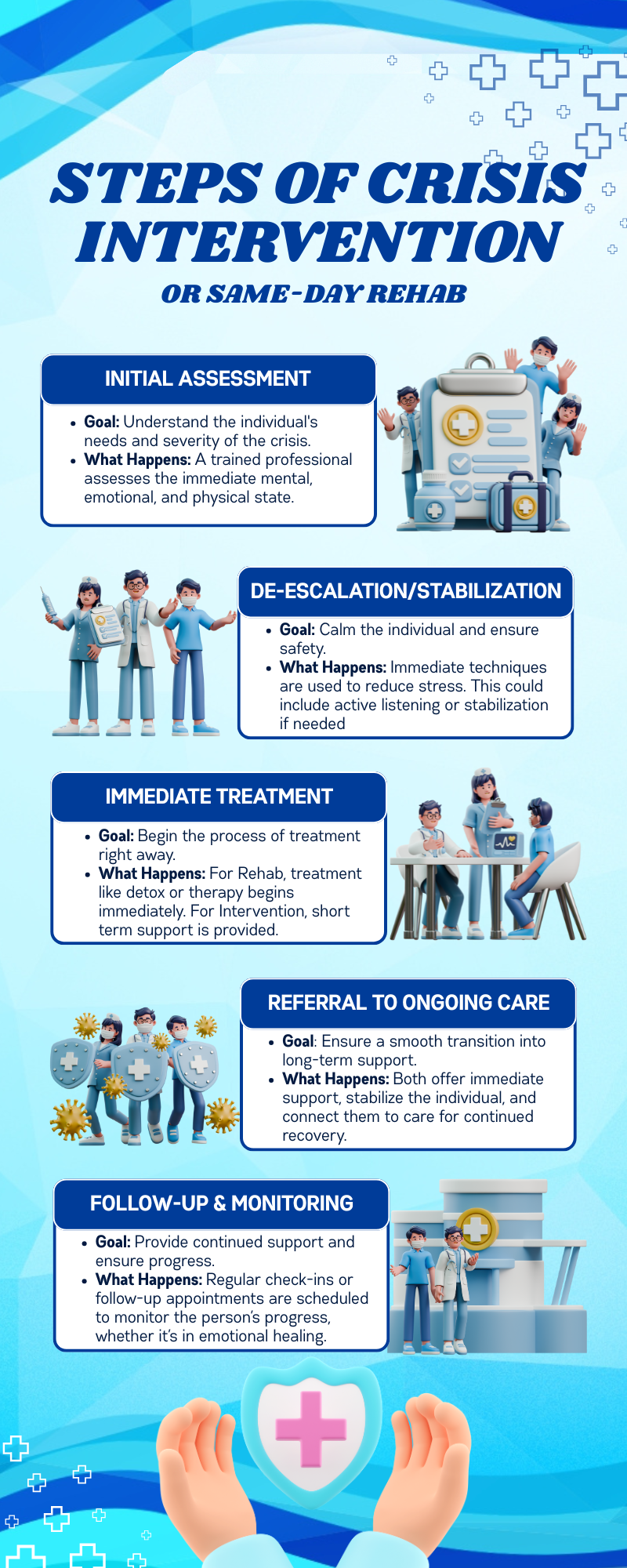
If the individual becomes highly agitated and refuses care, you must remain entirely calm. You must refuse to engage in a screaming match or defend your past actions. You simply enforce the new boundaries you have set until their severe discomfort forces them to accept the clinical help being offered.
The “Whole Self” Approach in Warwick
When your loved one finally agrees to accept help, they need an environment that actively fosters safety and dignity. We provide a restorative space designed for profound, systemic healing.
A Community of Healing
Our Warwick facility is a true community of healing. We provide a highly welcoming, dignified sanctuary focused entirely on empowerment rather than punishment. We treat our clients with absolute respect, stripping away the institutional shame associated with standard rehab facilities.
By providing a warm, highly professional environment, we ensure they feel safe enough to lower their defenses and engage in the deep psychological work required to rebuild their lives.
Involving the Family System
Addiction completely destroys the trust and communication within a household. Because we treat the whole self, we recognize that individual healing is entirely insufficient if the family remains fractured.
We actively involve the family system in the clinical process to repair this profound damage. We help rebuild shattered trust by facilitating honest, mediated conversations between the client and their loved ones in a highly controlled, therapeutic environment.
Ongoing Family Therapy
Recovery is a lifelong practice for the entire household, not just the individual client. We provide ongoing family therapy, including weekly clinical sessions and comprehensive education programs. We teach spouses and parents the complex neuroscience of addiction and equip them with highly effective communication tools.
This ensures that when the client returns to their daily life in Rhode Island, they are returning to a supportive, highly educated household fully prepared to sustain their long-term wellness.
Take the First Step Together
You do not have to orchestrate a complex medical intervention on your own. Let our experienced Warwick admissions team provide the local professional guidance you need to plan your exact next steps.
We handle the overwhelming financial logistics immediately. Our dedicated advocates ensure seamless verification with local health networks to maximize your Rhode Island benefits, completely removing the stress of medical debt from your family.
Timing is absolutely critical when an individual finally agrees to accept help. We provide rapid admission coordination, securing a place in our premium program immediately upon intervention success. Contact Rhode Island Addiction Treatment Centers today at (888) 541-4028 or visit rhodeislandaddictiontreatmentcenters.com to take the first step together.