Outpatient Mental Health Treatment In Rhode Island

Outpatient Mental Health Treatment In Rhode Island

Outpatient Mental Health Treatment In Rhode Island Outpatient Mental Health Treatment In Rhode Island: Benefits, Therapies, And How To Choose Care

Outpatient Mental Health Treatment In Rhode Island: Benefits, Therapies, And How To Choose Care

“Support Works Best When It Fits Into Real Life, Not Around It.” 

If you’re exploring Outpatient Mental Health Treatment in Rhode Island, you may want support that is real, consistent, and practical. Outpatient care usually means scheduled therapy and/or psychiatric visits while you keep living at home. It can be as light as weekly counseling, or more structured options like IOP or PHP when you need more support.

National estimates suggest that only about 47% to 52.1% of adults with any mental illness actually receive treatment, which means many people still try to carry too much alone.

One reason outpatient care is so widely used is that evidence-based therapies like CBT have strong support for common concerns like depression and anxiety. 

In this guide, we’ll explain the benefits, who outpatient care helps most, what strategies are commonly used, how to choose the right provider, and how insurance coverage often works.

What Outpatient Mental Health Treatment In Rhode Island Means (And How It Fits Levels Of Care)

Outpatient mental health care is simple in concept. You attend appointments for therapy, psychiatry, or skills-based groups, and then you return home afterward. This structure helps many people get support while staying connected to work, school, and family life.

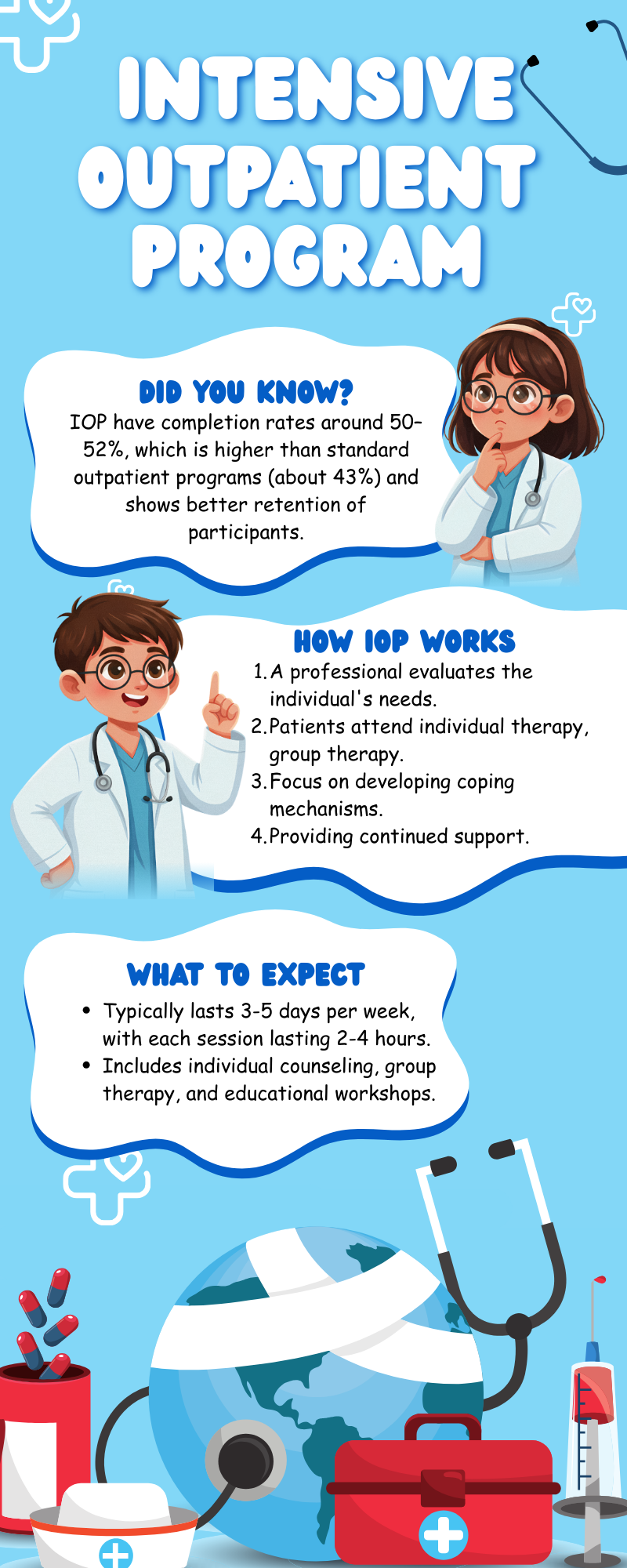
At the same time, “outpatient” is not one single thing. Levels of care can range from standard outpatient, to an Intensive Outpatient Program (IOP), to Partial Hospitalization (PHP), and sometimes higher levels are safer when symptoms are severe or unstable. We can help you sort this out through a clear assessment and a realistic recommendation.

Outpatient Vs IOP Vs PHP 

Level Of Care

Typical Frequency

Intensity

Best For

Typical Services

Standard Outpatient

1–2 sessions/week

Low

Maintenance and steady progress

Therapy, psychiatry as needed

IOP

3–5 days/week (often 9+ hours/week)

Medium

Step-down support, more structure

Groups, individual sessions, coordination

PHP

Most weekdays

Higher

Stabilization without living onsite

Groups, frequent clinical check-ins, psychiatry

Key Benefits Of Outpatient Mental Health Treatment In Rhode Island

One of the biggest benefits is that outpatient care fits real life. You can get support while still going to work, keeping up with responsibilities, and practicing new skills at home, where stress and triggers actually happen. This makes progress feel more usable, because you’re applying it in real time.

Outpatient care can also be clinically strong when it is consistent and well-matched. Evidence-based approaches like CBT are widely used in outpatient settings and have strong evidence across conditions like depression and anxiety.

When needed, outpatient care can also include coordinated medication management and progress tracking, so treatment stays clear instead of drifting.

Benefits People Notice Week To Week

  • More stable sleep and routine.
  • Better stress tolerance.
  • Clearer thinking and fewer “crisis spirals.”
  • Stronger communication at home or at work.

Who Outpatient Mental Health Treatment In Rhode Island Helps Most
Outpatient care is often a good fit when symptoms are mild to moderate, housing is stable, and you can reliably attend sessions. It can also work well for people who want support but prefer privacy and flexibility over more intensive programs. Many people simply do better when care is structured but not disruptive.

Outpatient can also be a strong step-down after higher levels of care. However, it must match safety and symptom severity, because the “right” level is the one that protects you while still being realistic. If you’re unsure, we encourage starting with an assessment instead of guessing.

Concerns Commonly Treated In Outpatient Care

  • Depression symptoms and low motivation.
  • Anxiety symptoms and panic patterns.
  • Trauma-related stress symptoms.
  • Grief and major life transitions.
  • OCD-related symptoms (provider dependent).
  • Sleep problems tied to stress.

When A Higher Level Than Outpatient May Be Safer

  • Active risk of harm to self or others (urgent evaluation is needed).
  • Severe impairment in daily functioning.
  • Unstable substance use or withdrawal risk.
  • Frequent crises without support at home.

Strategies Used In Outpatient Mental Health Treatment In Rhode Island

Outpatient treatment is most helpful when it is structured and goal-based. Providers often use evidence-informed approaches matched to what you need most: symptom relief, coping skills, improved functioning, and better relationships. CBT is one of the most common approaches because it teaches practical tools that many people can use immediately.

We also like to describe outpatient care as a toolbox. Different strategies fit different problems, and progress often comes from repetition, not “one perfect session.” When you practice skills between appointments, you turn insight into behavior, and that is where change starts to feel stable.

Evidence-Based Therapy Approaches 

  • CBT (Cognitive Behavioral Therapy): Helps you notice unhelpful thoughts and patterns, then build healthier behaviors and coping steps.
  • DBT-Informed Skills: Focuses on emotion regulation, distress tolerance, and communication skills, especially when emotions feel intense.
  • Trauma-Informed Care: Emphasizes safety, trust, pacing, and stabilization, so therapy does not feel rushed or overwhelming.
  • Medication Management (When Appropriate): Psychiatric evaluation and careful monitoring, tailored to your symptoms and response.

Common Problem

Common Outpatient Strategies

What To Ask Your Provider

Panic And High Anxiety

CBT coping tools, breathing skills, gradual exposure work when appropriate

“Do you use skills practice between sessions?”

Low Mood And Low Energy

CBT routine building, values-based goals, activity planning

“How will we track progress week to week?”

Insomnia From Stress

Sleep routine coaching, stress skills, CBT tools

“Do you help with sleep structure and habits?”

Intrusive Thoughts

CBT tools, specialized approaches when appropriate

“Do you treat intrusive thoughts often?”

How To Find And Select Outpatient Mental Health Treatment In Rhode Island

Start with your needs. Do you want therapy, psychiatry, or both, and do you need a provider with experience in trauma, anxiety, or dual diagnosis? Next, get practical about scheduling, because the best plan is the one you can actually attend. Daytime, evenings, and telehealth options can change what is realistic.

Then look for fit markers. Licensed clinicians, a clear treatment plan, measurable goals, and communication that feels respectful all matter. When needed, coordination with primary care or other providers can also make care smoother, especially if medical issues, medications, or chronic stress are part of the picture.

Questions To Ask Before You Choose A Provider

  • What concerns do you treat most often?
  • What approaches do you use (CBT, skills-based, trauma-informed)?
  • How do you track progress (scales, goals, check-ins)?
  • How do you handle crisis support after hours?
  • Do you coordinate with prescribers or primary care?

Insurance Coverage For Outpatient Mental Health Treatment In Rhode Island

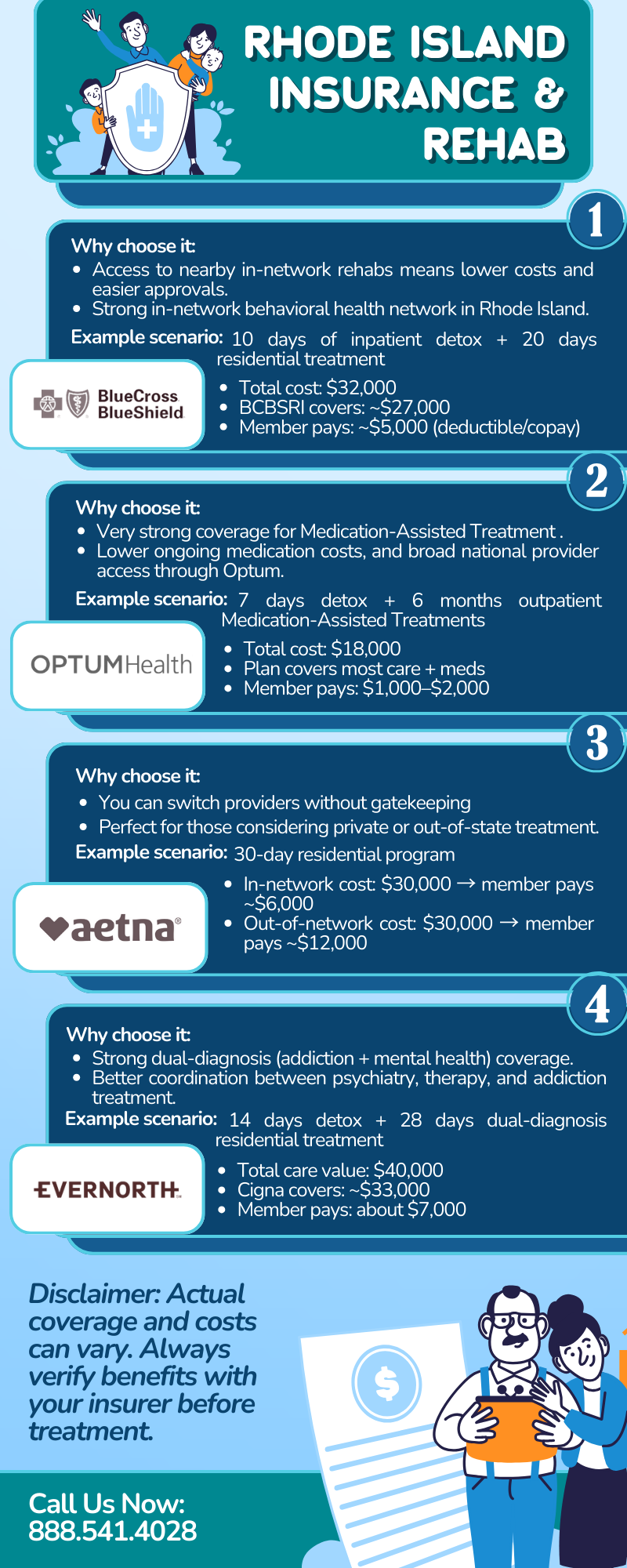
Insurance coverage depends on your plan type, whether a provider is in-network or out-of-network, and whether prior authorization is required. It also depends on the service, because therapy, psychiatry, and structured programs can be billed differently. When possible, verify benefits before your first appointment so you understand costs upfront.

It also helps to know that parity rules exist. The Mental Health Parity and Addiction Equity Act (MHPAEA) generally requires that limitations on mental health and substance use disorder benefits are no more restrictive than medical/surgical benefits in key ways. Research has also examined parity implementation and changes in outpatient behavioral health service use.

What To Ask Insurance (Quick Checklist)

  • Is outpatient therapy covered, and what is my copay/coinsurance?
  • Do I need prior authorization?
  • What is my deductible status?
  • Is telehealth covered?
  • Are psychiatry visits billed differently than therapy?

➡️ Read our latest blog, “Dual Diagnosis Intensive Outpatient Program In RI”, for a clear guide to what dual-diagnosis IOP includes, who it helps, and how to take the next step with confidence.
Case Study

In the IMPACT program, outpatient depression care was delivered through a collaborative-care model across multiple primary care clinics, using a care manager plus regular follow-up and treatment adjustments. 

Over two years, patients receiving collaborative care showed better outcomes than usual care, including less depression and improved functioning and quality of life. 

They also reported higher satisfaction with care. The practical takeaway is straightforward: structured outpatient support works best when it includes consistent monitoring, coordinated teamwork, and a plan that adapts over time. It’s not just “talk once a week,” it’s organized care that stays engaged.

Conclusion 

Outpatient care can be a strong choice when symptoms are real, but life still needs to keep moving. When treatment fits your schedule and targets your goals, it becomes easier to stay consistent, and consistency is often what creates lasting improvement.

If you want help getting started, we’re here. 

Contact Rhode Island Addiction Treatment Centers for a confidential assessment, help choosing the right level of care (standard outpatient vs IOP/PHP vs higher support when needed), and support with insurance verification and scheduling.