Cocaine Addiction Treatment in Rhode Island: Important Questions Answered
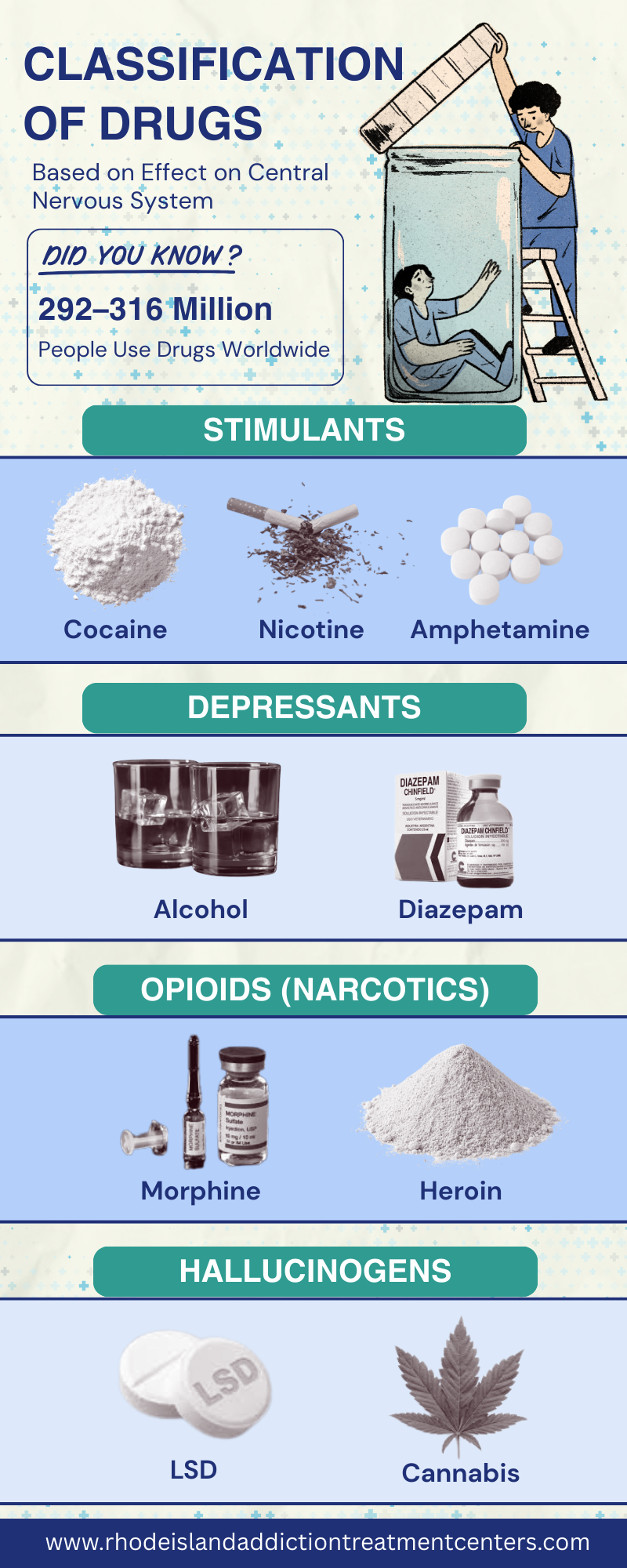
Cocaine is a stimulant drug that comes from the coca plant and is sold as white powder or small crystals. People consume it by snorting, injecting it into veins, or rubbing it on the gums. And whatever the method of consumption is, this drug forces your brain to release a massive dopamine flood (the chemical that handles your feelings of pleasure and reward).
Since this artificial dopamine hits your system fast, you feel a sudden high where you are incredibly alert, talkative, and full of energy. For a few minutes, you may feel invincible.
But the problem is, this energy is borrowed, and you have to pay it back with a crash. Once the drug’s effect wears off, your mood drops as fast as it rose. Eventually, you’ll be left feeling exhausted, irritable, and deeply depressed because your brain has run out of its natural feel-good chemicals.
This cycle is doubtlessly very damaging to your mental health because you’re trapped in a loop of chasing a short burst of energy and then crashing.
Since this drug comes with unique challenges and a strongly addictive nature, people face multiple challenges during cocaine addiction treatment in Rhode Island. That’s why this blog addresses some important questions to prepare you for what’s coming next.
Keep reading so small hurdles don’t minimize your will to quit.
Why Does Your Mood Crash During Cocaine Addiction Treatment?
Cocaine floods your brain with dopamine, which normally produces small and controlled amounts of this feel-good chemical. This drug forces your brain to dump its entire supply at once, and the cocaine user feels a massive surge of energy.
However, this energy also burns through your chemical reserves very quickly, and you essentially use up days’ worth of happiness in minutes.
So once your brain is completely empty of its feel-good chemicals, there is nothing left to keep your mood stable, and you feel a crash. The crash will likely be a heavy wave of depression and anger as a biological reaction to having zero dopamine.
Since your brain needs time to stop relying on the drug and start making its chemicals again, you should know that while starting cocaine addiction treatment in Rhode Island. This way, you’ll take your irritability and low mood as a sign that your brain is recharging.
Can Your Brain Ever Feel Pleasure Again After Cocaine Addiction Treatment in Rhode Island?
Substance abuse can make one feel like they can never be happy without a drug; cocaine addiction is the same. It forces your brain to handle much more dopamine than it was ever meant to process, and to protect itself from this overload, the brain shuts down its natural pleasure receptors.
Without these pleasure receptors, you enter anhedonia, a state where things that used to make you smile now feel empty or boring. Put simply, this stage indicates that your brain is simply resting because it is exhausted from the constant chemical spikes.
As you stay sober during cocaine addiction treatment in Rhode Island, your brain slowly begins to regrow those damaged receptors. This repair may begin during the first few months of treatment, and by the six-month mark, most people notice a significant improvement as their brain relearns to enjoy natural rewards.
How to Manage the Intense Dream-Cravings During Cocaine Addiction Treatment in Rhode Island?
Vivid dreams about using cocaine happen because of a process called Rapid Eye Movement (REM) rebound. Here’s how it works:
When you use stimulants, your brain often struggles to reach restful sleep. And when you quit, your brain tries to make up for lost time by increasing the intensity of your dream state. It may mean your mind sorts through old memories and habits linked to the drug, and you feel like you’re again doing drugs (which can very well push you to relapse).
Luckily, cocaine addiction treatment in Rhode Island teaches you to manage these dreams by having a plan. For instance, if you move to a different room right after waking up, this physical shift tells your brain that the dream is over. Also, splashing your face with cold water or taking a walk will break the constant mental loop and prevent it from turning into a daytime craving.
What if the Coke Nose Doesn’t Heal During Cocaine Addiction Treatment?
Cocaine can shrink the blood vessels in your nose if you use it for a long period, and that physical damage is called a coke nose. Since snorting cocaine cuts off the blood supply to the delicate skin and cartilage inside your nostrils, the lack of blood and oxygen causes the tissue to die.
So much so that this damage can even leave a hole in the septum, the wall that separates your nostrils.
If you experience a whistling sound when you breathe or get constant crusting and frequent nosebleeds, you have a coke nose.
Therefore, managing this damage is a key part of cocaine addiction treatment in Rhode Island. The experts will urge you to see an ear, nose, and throat doctor to assess how bad the situation is. The doctor might then prescribe specialized saline washes or antibiotic creams to stop infections and keep the area moist.
Is it Normal to Feel Physically Slow During Cocaine Addiction Treatment in Rhode Island?
Yes, feeling like you are moving in slow motion is a common experience during cocaine recovery, a condition called psychomotor retardation. As your body is constantly pushed into an artificial state of high speed and extreme energy when you use cocaine, your central nervous system becomes used to operating at an accelerated pace.
So when you stop the drug, you experience a massive drop in stimulation. Your brain and muscles go into shock as they wait for the next rush that never comes. Eventually, there is a heavy feeling in your limbs and a slowdown in your speech and movements.
Luckily, this is not a permanent change or a sign of laziness because your nervous system is trying to find its natural rhythm. When you regain that rhythm because of cocaine addiction treatment in Rhode Island, your energy levels will return to normal.
It’s a Battle For Your Life
Cocaine is a brutal drug that forces your brain and body into a state of chemical bankruptcy, but we can overcome it. Your brain has an incredible ability to heal and rebuild. Once you get professional help and follow a solid plan to sobriety, you can reclaim your life.