
Cocaine Addiction: Early Signs, Long-Term Risks, and RI Treatment Options
It often starts small…then takes over. Learn the signs of cocaine addiction and how treatment in Rhode Island works.
After a hectic working day, if you find cocaine is your only way of celebrating the weekend, then it’s a warning sign for your future life. You never know when this celebration can turn into a daily dependency. Cocaine addiction begins to control your thoughts and priorities while also affecting your physical health. Your work performance gets negatively impacted, your financial stability starts to decline, and your relationships get distant.
Many people go through this addiction all over the globe. In 2021–2022, the highest rates of cocaine use in the U.S. were recorded in regions such as Colorado, Vermont, the District of Columbia, and Massachusetts – reaching up to about 3.06% as compared to the national average of 1.95%. These figures highlight the severity of cocaine use and its long-term effects that impact the individual’s personal and professional life.
While going through your daily routine, if you feel your heart is getting faster and your chest feels tighter, then you need a quick mental health assessment before it’s too late. Cocaine addiction treatment in Rhode Island provides structured and evidence-based treatment through multiple phases. The mental health professional diagnoses the stage of addiction and develops a personalized treatment plan accordingly.
In this blog, we will let you explore what cocaine addiction is, its diagnosis phases, and the treatment available in Rhode Island.
What is Cocaine Addiction?
Cocaine addiction involves the consistent daily use of cocaine, along with difficulty in breaking the pattern. People who have underlying stress often shift towards these substances to cope and escape. Their stress may be from past traumas and bad experiences or PTSD that starts affecting their daily life, and then cocaine is the only option.
When you start taking it daily, your brain wires towards its availability and increases cravings. In cases when it does not get what it wants, it starts showing symptoms such as fatigue, low mood, and mood irritability. Its withdrawal symptoms do not let you behave normally in society; therefore, treatment on time is not only recommended but also uncompromisable.
Signs and Risks of Cocaine Addiction
Before getting cocaine addiction treatment in Rhode Island, you must know about the warning signs and potential risks associated with cocaine addiction. This helps you in getting right treatment and long-term recovery.
1. Common signs
The common signs appear when a person struggles to maintain their daily routine.
You can feel a sudden burst of low energy, fatigue, or mood swings. There will be low appetite throughout the day and consistent insomnia. Also, your brain starts developing more cravings to function, especially in areas of concentration and focus.
The individual starts disconnecting with people and isolating themselves from friends and family. You may also notice neglect of responsibilities and declining work performance with unusual changes in spending habits or financial stability.
2. Short-term risks
There are some short-term risks linked with cocaine that an individual may experience during this early phase.
The quick risks appear, such as panic attacks, anxiety, and disturbed sleep. There is an additional set of behavioral and physical risks that includes risky behaviors.
There is a shift from emotional numbness to intense emotional cycles, and it can become life-threatening in the long term.
3. Long-term Risk
There are long-term risks that an individual faces that are linked to cocaine.
Its consistent use leads to health concerns and lasting health problems such as high blood pressure and stroke. It affects your brain and causes memory issues, resulting in poor focus.
The daily consumption of cocaine increases your cravings and disrupts your emotional patterns.
It impacts your overall life in the long term, from your mental health to physical health and work performance.
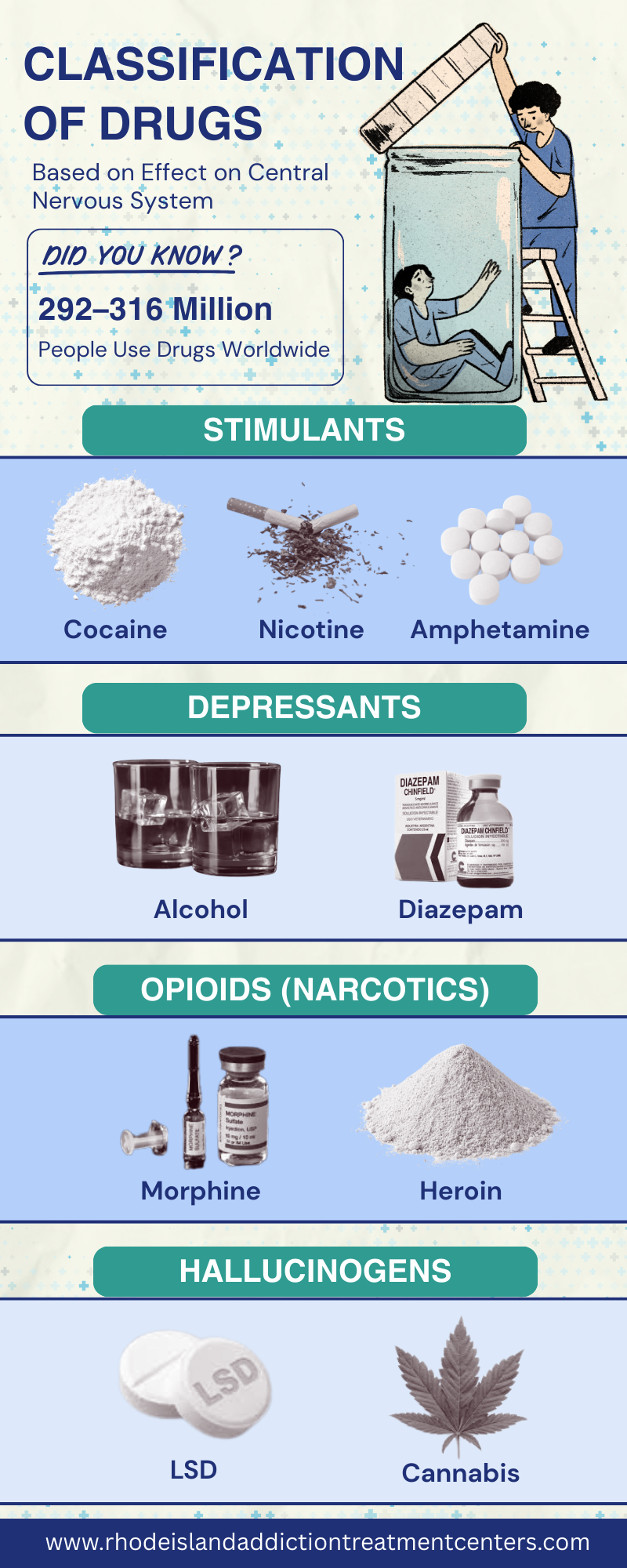
“Addiction may seem like the end, but choosing healing opens new doors.”
Core Components of Cocaine Addiction Treatment in Rhode Island
When a person decides to quit cocaine, they often find themselves totally clueless about the process. These are the core components of cocaine addiction treatment in Rhode Island, from assessment to assigning treatment.
1. Clinical Assessment
When a person tries to quit cocaine addiction, they often confuse the process. The first phase starts with a clinical assessment where professionals take details of substance, duration, and current condition.
The mental health expert also evaluates your psychological pattern to analyze the hidden emotional challenges.
These assessments help them to create a personalized treatment plan for the patient.
2. Treatment Assigned
Not every treatment works for everyone.
A qualified professional assigns a personalized treatment plan based on your mental condition, stage of addiction, and physical health. The treatments are PHP, intensive outpatient programs and other mental health treatments.
These programs include medical care, multiple therapeutic approaches, and ongoing support designed to promote long-term recovery.
3. Emotional Regulation Support
Emotional regulation support helps individuals manage stress and triggers effectively. Therapists work to identify deep-rooted and unhealthy emotional patterns and replace them with healthier ones through evidence-based therapies.
These therapies are Cognitive Behavioral Therapy (CBT) and Dialectical Behavior Therapy (DBT), along with practical coping strategies. This process enables patients to respond to challenging situations in a more balanced way.
4. After Care Support
Recovery does not end after completion of cocaine addiction treatment in Rhode Island; it continues with a structured program.
There is aftercare support provided by an expert to track the patient’s current condition. This includes group sessions and lifestyle guides such as exercise and timely meals.
The main goals are to maintain the stability and long-term recovery in daily life.
“Leaving the trap of addiction is achievable with the right treatment.”
How to Choose the Right Mental Health Center in RI?
You can find the right mental health center by considering these key factors in RI.
1. Check License
Before starting treatment at any facility, it is essential to verify that the rehab center is properly licensed. The professionals working there should also hold valid certifications and qualifications.
It ensures that the center meets standards for safety and quality treatment.
2. Treatment Approaches Offered
Always consider mental health centers that provide evidence-based treatments such as therapy, medication, and holistic approaches.
The right rehab center should offer personalized treatment plans created for each patient’s unique needs and addiction severity, along with their present condition.
3. Reviews and Success Rates
Before selecting a mental health center, review patient testimonials to understand the quality of care and overall experience.
Its success rates also show how effective the rehab center is in supporting long-term recovery.
Hope and Healing
Recovery is always possible if you seek the right support at the right time.
Cocaine addiction can significantly affect both the mind and body, leading to issues such as anxiety and depression. Its daily consumption shows physical symptoms such as heart problems, memory loss, and a decline in personal life.
However, there are effective cocaine addiction treatments in Rhode Island available in the form of behavioral therapies and structured rehab programs. They are designed to address both physical dependence and emotional triggers that push you towards cocaine. With the right treatment plan and professional mental health support, people get better and regain control of their lives.
If you know someone in your surroundings who is struggling with cocaine addiction and searching for a way to recover. You can encourage them to visit the Rhode Island Addiction Treatment Centre, where experienced professionals can guide and support them.