
If You’re Waiting for the “Right Time” to Get Help, Read This First
Unfortunately, substance addiction is quite prevalent in Rhode Island. Roughly 20% of young adults are struggling with a substance use disorder – and the national rate is even higher than that. There needs to be a greater emphasis on accessible care, but people delay seeking treatment either because of stigma or fear of disruption to their daily life.
As a result, many individuals suffer from long-term health consequences or meet the tragic fate of death. In 2024, alone, 329 deaths in Rhode Island occurred because of drug overdose. This shouldn’t be the norm for us.
So, let’s talk about the reality of addiction in Rhode Island, how IOP treatment is the solution, and how you can begin IOP treatment in Rhode Island today:
The Reality of Addiction in Rhode Island
Addiction often starts just as a coping mechanism, but before individuals know it, it turns into a full-blown addiction that impacts the quality of life without warning.
Rising Substance Use Challenges:
Nobody starts using substances with the intent to become addicted, yet one or the other reason causes dependence. While there has been an 18.6% decline in accidental overdose-related deaths, the risk is still very real. Some of the major reasons behind Rhode Islanders falling into substance misuse include:
- Work pressure, chronic stress, burnout, and mental exhaustion.
- Balancing childcare and/or elderly caregiving responsibilities.
- College stress, peer pressure, and academia competition.
Apart from this, casual drinking is a social norm in Rhode Island that results in the normalization of the behavior, which is dangerous for long-term health.
Why Many People Delay Treatment
The question is, why do people avoid seeking treatment while knowing fully well that delaying care only results in worsening symptoms or life-threatening consequences? Some of the major reasons include:
- Stigma / Fear of Judgement: A significant number of people avoid seeking treatment because they feel ashamed and bring shame. The misunderstanding and misinformation around addiction has made it a taboo topic that is why individuals hesitate in asking for the help they need.
- Competing Life Priorities: When people are balancing caregiving responsibilities along with work and family obligations, it becomes very difficult to make time for the treatment they deserve. Since, unlike acute medical emergencies, these conditions develop gradually, the individuals end up thinking they can manage and wait for the right time, especially if the program requires full-time commitment.
- Lack of Awareness: People simply don’t know their options, i.e., inpatient residential treatment programs aren’t the only pathway to seek help. There are a variety of flexible outpatient options available that can be utilized to create support for individuals who have to balance work and family life.
The Broader Impact on Individuals and Communities
The problem is, the cycle of addiction doesn’t just impact the suffering individual; it affects the entire family, resulting in dysfunction. Sadly, every 1 in 8 children in America lives in a household with at least one parent suffering from substance use disorder. As a result, these children suffer from social isolation, early parentification, emotional trauma, and attachment disorders.
Why Is IOP Crucial For Recovery?
It is important to understand that addiction is not just physical, it is emotional and behavioral — deeply rooted in the patterns of thought and coping which cause harm. When a person struggling with substance use disorder completes a detox program, they get clean. But the chronic nature of addiction requires more; it requires ongoing therapeutic support.
The High Risk of Relapse Post-Detox:
Without adequate aftercare, more than 60% of individuals relapse within the first year of detoxification. This happens due to a number of reasons, including depression, loneliness, unmanaged triggers, and stressors.
But it has been noted that the major culprit behind this high relapse rate is the sudden transition from residential treatment directly to independent living. When individuals face real-life pressures, they find it hard to cope and return to old patterns.
Balancing Treatment and Work:
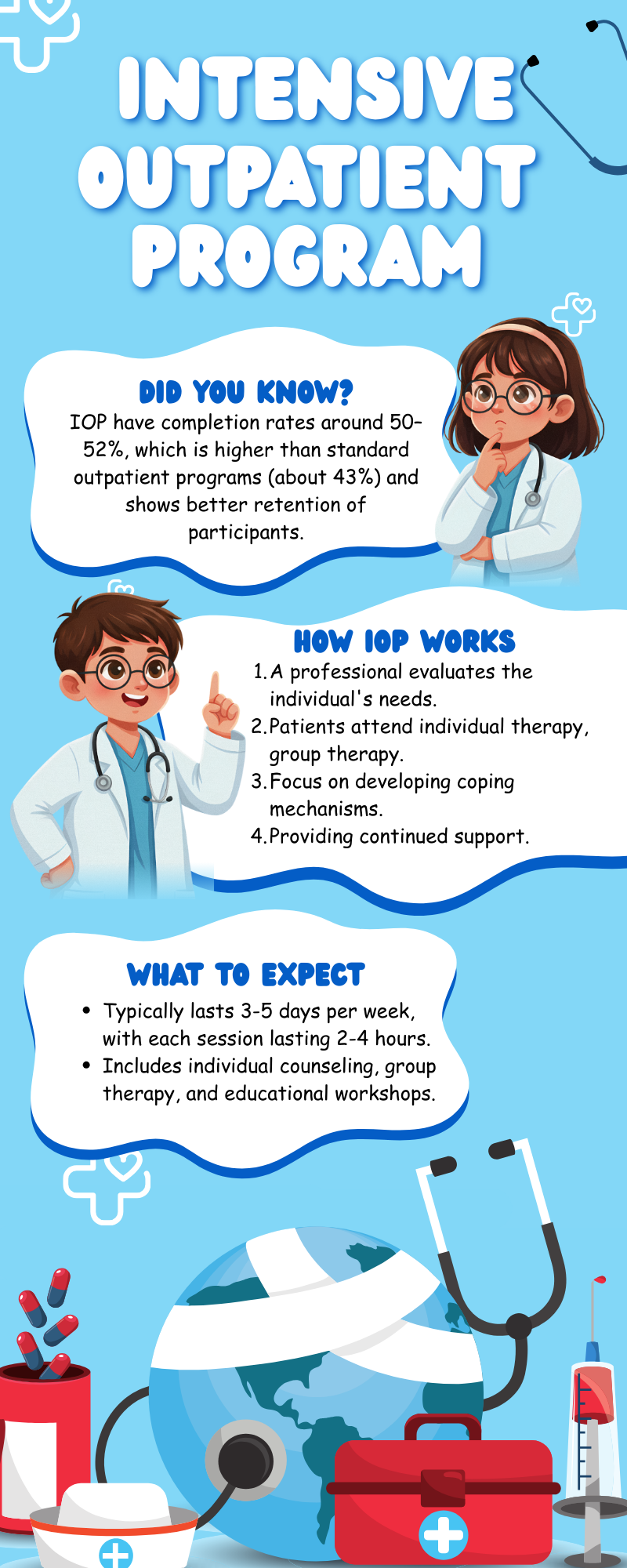
With an Intensive Outpatient Program (IOP), individuals can take multiple therapy sessions a week and continue their work or family routine alongside.
This flexibility allows for consistency and also results in the reduction of relapse risk. With the support of structured care, the individual can also participate with higher engagement.
The Need for Flexible, Structured Treatment:
An IOP allows individuals to seek help without having to pause their lives.
It fills the gap of providing transitional support from residential stay to everyday functioning without requiring full-time admission. As a result, individuals can continue working and also healing alongside.
What to Expect from a Program if You Begin IOP Treatment in Rhode Island Today
Top-tier addiction recovery and mental healthcare facilities, like Rhode Island Addiction Treatment Centers, understand the importance of ongoing support, which is why our IOPs are designed to offer structure without requiring an inpatient stay. If you begin IOP treatment in Rhode Island today, you can expect:
- A Compassionate, Licensed Team: At our center, we have hired a highly experienced, certified team of clinicians, family therapists, and case managers who work directly with the client and work closely on individualized treatment plans to offer you care without any judgment.
- Evidence-Based Therapies: Our team of professionals at Rhode Island Addiction Treatment Centers believes in interventions that are proven and backed by facts that is why our therapeutic modalities include mindfulness exercises, CBT, motivational interviewing, and DBT. The end goal is to create a framework that offers you long-term stability.
- Holistic & Family-Centered Approach: Rather than treating only the symptoms, we focus on the person. With our whole-person care approach, we work with the mind, body, and emotional health. Also, our team understands the value of family involvement, which is why our IOP modules include family counseling and supportive therapy.
Final Words: Begin IOP Treatment in Rhode Island Today
Addiction is a deeply complex internal battle that requires more than willpower. To truly succeed in this journey, you require more than detox; you need the right blend of therapeutic support, flexibility, and structure so that you can rebuild a new life without putting any responsibilities on hold.
At Rhode Island Addiction Treatment Centers, we understand this need, which is why our IOPs are specifically designed to offer you sustainable, accessible, and truly transformative outpatient care.
So, if you or a loved one is seeking help, dial us at 888-541-4028 and take the next step towards lasting recovery.