
Mothers and Pregnant Women in Recovery: Compassionate Care Options in Rhode Island
Pregnancy and early motherhood are the most overwhelming life phases a woman goes through. This is where her body is rapidly changing, her hormones can be all over the place, and she feels exhausted by the constant overstimulation. And if you also have to manage recovery, whether for mental health or an addiction problem, alongside all the other overwhelms, it’s truly a test.
That’s why Rhode Island treatment centers emphasize compassionate care for mothers and pregnant women. Regardless of what you’re currently facing, it can be fixed without having to stretch yourself thin. Keep reading to see how compassion for mothers coexists with recovery in Rhode Island.
Care Options for Soon-to-be and New Moms
Women bear a lot of load, sometimes willingly and sometimes out of necessity. But whatever your behavioral struggles currently are, Rhode Island Addiction Treatment Centers believe that you deserve to find your footing again.
Hence, here are some compassionate recovery options for those who want to balance many things:
Medication-Assisted Treatment (MAT)
A pregnant woman or a new mom taking medication for her dependence issues? That surely sounds risky, but it isn’t always the case. The advancements in healthcare have made it possible for these situations to coexist without one worsening the other. For example, medication-assisted treatment, or MAT, uses approved medicines along with counseling to help you recover from opioid addiction.
Some of the most common meds used for addiction treatment include buprenorphine and methadone. These two medicines calm the parts of your brain that first drive your cravings to use a substance and then make withdrawal difficult to handle. If you’re prescribed these proven medicines, they help your body feel steady so you can focus on getting better.
Notably, behavioral counseling runs alongside the medicine and helps you deal with the stress and habits behind substance use. Many moms worry that medicine will harm the baby, but because sudden quitting can be riskier, your doctor will determine whether to put you on MAT or not. And if you start this care plan, the expert team will keep a close eye on your dose throughout the treatment.
Integrated Prenatal and Addiction Care
Although not offered by all treatment centers, an integrated care plan means that your regular health checkups and recovery treatment are handled by one team working together. So instead of having to visit two separate places for the OB-GYN and then a therapist, you go to one place and keep up with your recovery.
Needless to say, when everyone is on the same page, the treatment can be completed much faster and nothing important slips through. Notably, only a few treatment centers offer all of this under one roof, and most team up with nearby prenatal clinics. If you’re pregnant and starting recovery, it’s one of the most practical options to look into.
Trauma-Informed Therapy
Trauma can be anything that deeply hurts or scares you. Some common forms of trauma include childhood abuse, violence, losing someone close, or a frightening birth experience.
Since these events can force one to turn to a numbing substance, they need a proper recovery plan to come out of this loop. That’s why trauma-informed therapy is among those compassionate care plans that keep your past trauma in mind and actively fix the current issues. For instance, during such therapy sessions, the therapist makes sure you feel safe and never pushes you to talk before you’re ready. Eventually, you feel ready to discuss your struggles and gradually start working on them.
Moreover, depending on the therapists available, this plan may include methods like trauma-focused CBT or EMDR to make painful memories feel lighter.
Perinatal Mental Health Support
Perinatal mental health support in Rhode Island looks after your emotional health during pregnancy and the first year after giving birth. That whole stretch is called the perinatal period, during which your hormones, sleep, and sense of self all change at once. No wonder it’s common for moms to feel anxious, low, or not quite like themselves during this stretch.
Moreover, conditions like postpartum depression can also show up in this window, and for a mom in recovery, those feelings can raise the risk of relapse. To eradicate this possibility, perinatal support begins with check-ins and screenings to catch problems. From then on, you might get therapy, join a group with other moms, or start safe medication to fix the root cause.
Outpatient Programs With Childcare
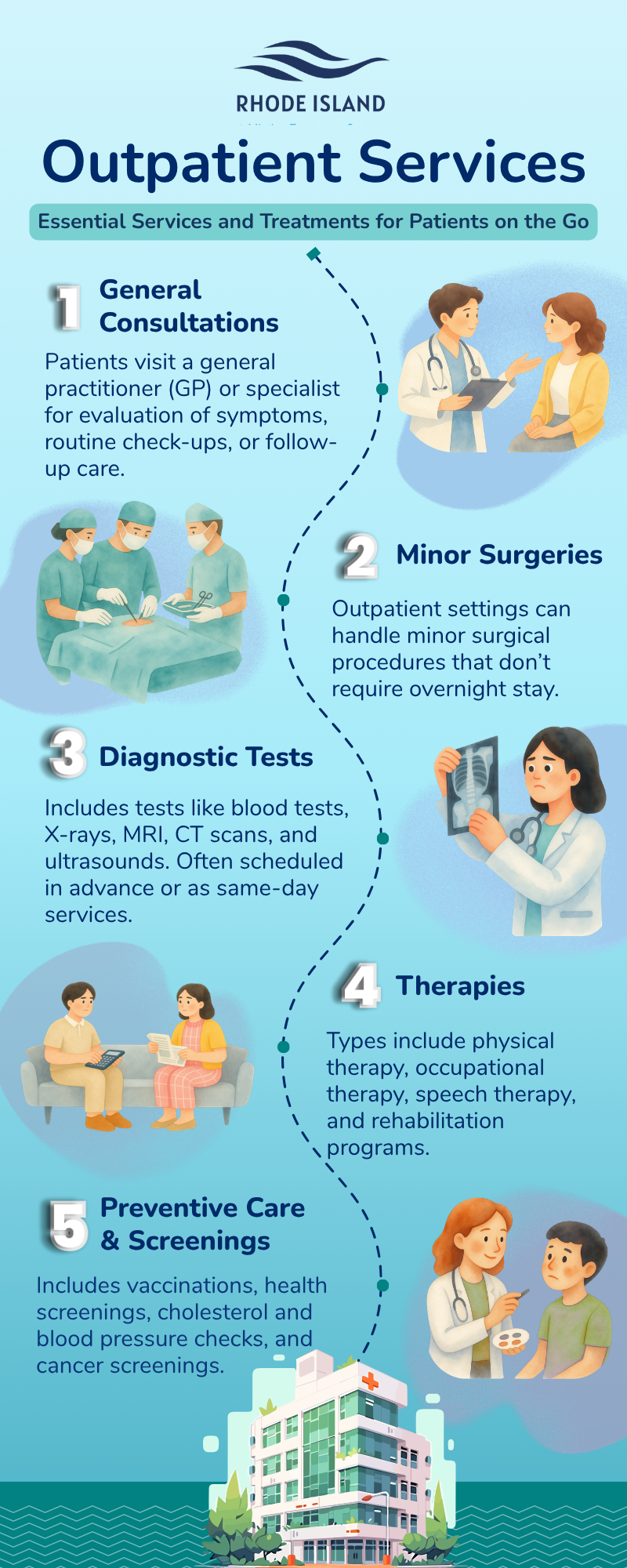
Outpatient programs are treatment plans where you visit a center for therapy and group sessions and then return home. These programs don’t require a lot of hours or for you to stay at a center consistently for a few weeks, making them practical for women, and especially mothers. An intensive outpatient program, or IOP, is a more structured version where you visit the treatment center for a few hours, several days a week.
Notably, if an outpatient program with the facility of childcare is available, it can make recovery incredibly easy for moms. For many mothers, having no one to watch the children is the main reason they put off treatment, so this support makes a real difference. Also, it works best if your home is stable and you don’t need round-the-clock care. Childcare isn’t standard everywhere, so ask about it early on.
Moms are Superwomen
Motherhood is incredibly challenging and requires a lot of dedication, which is why mothers often put their well-being off for later.
However, many centers, including Rhode Island Addiction Treatment Centers, aim to make recovery a reality for everyone. Even if you’re in an exhausting phase of life, delaying treatment will make matters worse, so take action now.
If your treatment center and the experts who lead your recovery are compassionate, you can get better and raise a tiny human alongside. Let’s talk and find a way out!
Read Next: Aftercare and Alumni Support: Maintaining Lifelong Sobriety in Westerly, RI