
Can You Keep Your Job While in Addiction Treatment in Rhode Island? FMLA Explained
Many people struggling with addiction continue to put off treatment because they are afraid of losing their jobs or damaging their professional reputation. According to SAMHSA data, a significant number of adults with substance use disorders remain employed, which makes seeking treatment even more complicated for those who cannot afford to lose a steady income.
The good news is that getting help does not always mean taking a month off work or leaving your responsibilities behind. Federal protections, including the Family and Medical Leave Act (FMLA), may allow eligible employees to take time off for treatment without losing their jobs.
At Rhode Island Addiction Treatment Centers, outpatient treatment options can help you get the care you need while continuing to manage your work and daily responsibilities.
Understanding Your Legal Workplace Protections in Rhode Island
How the Family and Medical Leave Act (FMLA) Protects You
Substance use disorder is a recognized physiological condition that actively rewires the reward circuitry of the human brain. The federal government acknowledges this biological reality through the Family and Medical Leave Act. The FMLA grants eligible employees up to twelve weeks of unpaid and job-protected leave per year for health conditions.
Attending formal clinical treatment for a chemical dependency falls directly under these federal protections. Your employer cannot legally terminate your position because you utilized this protected time to enter rehab.
This legal shield allows your central nervous system to relax from the constant threat of financial ruin. You can focus your energy on repairing your damaged dopamine receptors rather than worrying about losing your primary source of income. Securing your professional baseline gives your prefrontal cortex the biological space required to engage in deep trauma therapy.
How to Protect Your Job While Attending Treatment
Seeking treatment doesn’t automatically put your career at risk. The Americans with Disabilities Act (ADA) protects eligible employees from discrimination based on qualifying disabilities, which may include certain mental health conditions and substance use disorders. Understanding your rights can help you make informed decisions about getting the care you need without unnecessarily disrupting your professional life.
Depending on your situation, you may be able to request reasonable accommodations, such as adjusting your work schedule to attend outpatient therapy sessions. This can help you stay on track with your treatment plan while managing your daily work responsibilities. Your eligibility and the accommodations available will depend on your circumstances and applicable legal requirements, so it is worth understanding your options before making changes to your work routine.
Balancing Your Career with Flexible Outpatient Care
Why Intensive Outpatient Programs (IOP) Fit a Working Schedule
Leaving the workforce for a thirty-day residential stay is rarely the only path to neurobiological healing. An Intensive Outpatient Program delivers rigorous clinical density without demanding a total career pause. Clients engage in deep psychological healing for a few hours a day and log back online for the remainder of their shift.
The outpatient schedule at our behavioral healthcare clinic is designed to help people manage treatment alongside work and other daily responsibilities. Whether you have a demanding corporate job or work unpredictable shifts, outpatient care can make it easier to attend therapy without putting your entire routine on hold.
Transitioning to Standard OP for Long-Term Support
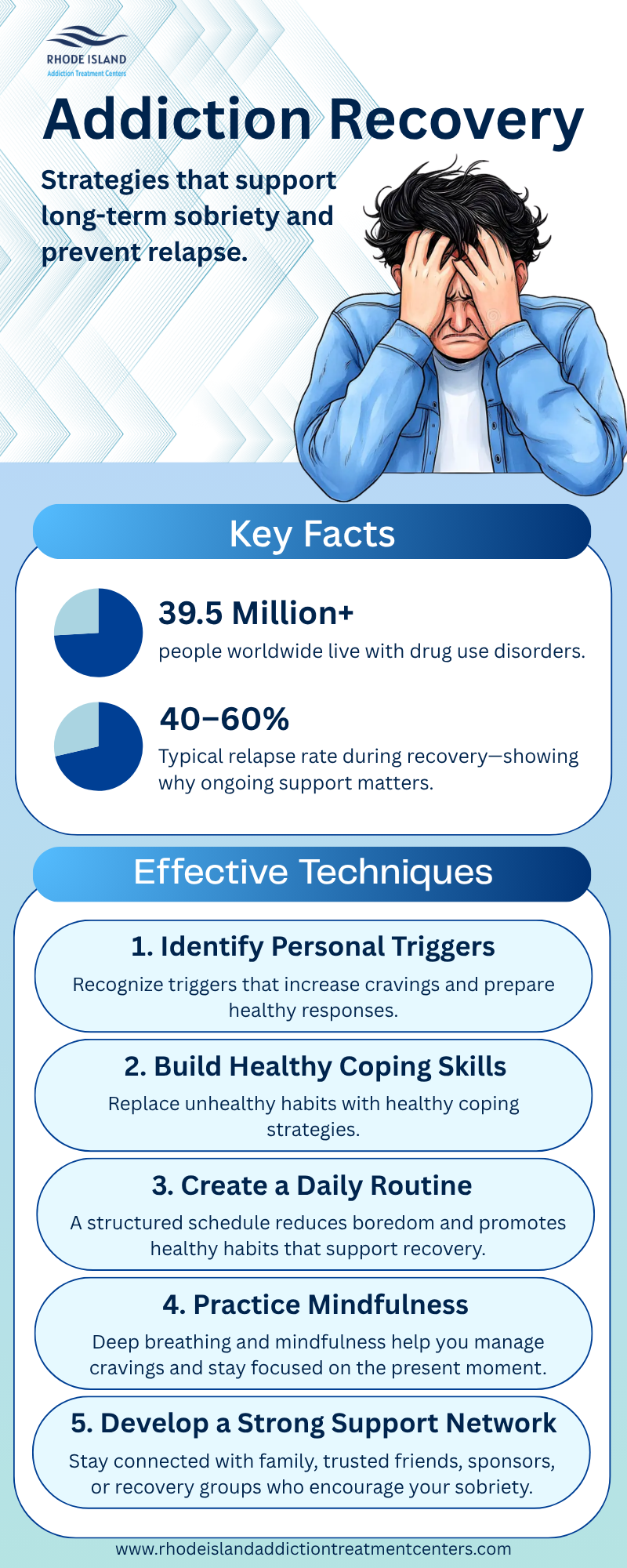
Recovery does not end once you complete an intensive treatment program. As you make progress, you may transition to a standard outpatient (OP) program, which usually involves attending one or two therapy sessions each week, depending on your needs and treatment plan.
Regular sessions give you a chance to discuss challenges that come up as you return to your usual routine. Work deadlines, difficult conversations with colleagues, and other daily pressures can sometimes make recovery harder. Having a therapist to talk to can help you manage these situations and recognize when you need additional support.
How RIATC Supports Working Professionals
Medication-Assisted Treatment (MAT) to Maintain Functionality
Fear of withdrawal symptoms at work can make it difficult for many people to seek treatment for substance use disorders. Medication-assisted treatment (MAT) can help manage these symptoms and reduce cravings, depending on the substance involved and your medical needs. For opioid use disorder, medications such as Suboxone or Vivitrol may be prescribed as part of a treatment plan to support recovery and reduce the risk of relapse.
With the right medical support, managing withdrawal symptoms and cravings can become more manageable, making it easier to focus on your work and daily responsibilities. Treatment is tailored to your needs, so you can work toward recovery while maintaining your professional and family commitments. The goal is to help you build a stable routine and stay consistent with treatment without putting your entire life on hold.
The right medical support also means support for your treatment expenses. Click here to read more on Blue Cross Blue Shield of Rhode Island Rehab Coverage and what’s included.
Administrative Assistance with FMLA and Insurance Paperwork
Deciphering complex human resources forms is exhausting for an overtaxed nervous system. A brain trapped in a survival response lacks the executive function to manage dense medical paperwork. Our administrative team immediately removes this logistical burden from your shoulders.
The staff at Rhode Island Addiction Treatment Centers actively helps clients complete all required FMLA or short-term disability documentation. We ensure your medical paperwork satisfies strict corporate requirements without exposing your private clinical details to your employer. We act as an expert buffer between you and your human resources department.
Our team also conducts a rapid verification of commercial insurance and Rhode Island Medicaid plans. We handle the bureaucratic friction so you can focus your remaining energy on authentic clinical healing. You never have to spend your therapy hours worrying about confusing insurance codes.
Protect Your Health and Your Livelihood Today
Prioritizing your recovery is the ultimate strategic investment in your long-term career performance. Trying to push through a dependency to save face at work inevitably leads to declining performance and eventual job loss. Proactive treatment is the only way to genuinely protect your future and your family legacy.
Please reach out to the strictly confidential admissions team at Rhode Island Addiction Treatment Centers today. We offer a zero-pressure consultation to discuss your specific employment situation and instantly verify your benefits. You can contact us at 888-541-4028 or visit rhodeislandaddictiontreatmentcenters.com to get a better idea of our programs.