
Medical Detox vs. At-Home Detox in Rhode Island: Why It Matters
When it comes to recovering from alcohol or fentanyl addiction, many Rhode Island residents find themselves isolated, enduring withdrawal alone. Why, you ask? Well, attempting to tough it out in order to quit cold turkey is a dangerous gamble, and withdrawal symptoms are unpredictable, which causes them to escalate quickly. State health data shows that in 2026, alone, 20% of local emergency visits for substance use disorders were associated with severe complications from unmanaged withdrawal attempts.
The reason is simple; physical dependence alters the functioning of the central nervous system. Thus, abruptly stopping alcohol or fentanyl without medical intervention often triggers fatal seizures. Meanwhile, unmedicated opioid withdrawal brings agonizing pain to those affected that forces an immediate relapse just to survive the night.
However, formal medical detox guarantees your physical survival. At Rhode Island Addiction Treatment Centers, we understand the complexities of addiction, which is why we focus on healing the root causes of your addiction. Today, let’s talk about how medical detox works and what to expect for the journey of recovery:
The Hidden Medical Dangers of At-Home Detox
Severe Physical Risks and Fatal Complications
The biological reality of withdrawal requires strict clinical oversight. The brain and body go into severe shock when a chemical they depend upon is suddenly removed. Chronic substance use causes the central nervous system to downregulate its natural GABA receptors and alter baseline production of vital neurotransmitters.
Abruptly stopping the cycle of heavy alcohol or benzodiazepine consumption causes GABA activity to drop sharply and strips the brain of its artificial depressant. This hyperexcitability often leads to Delirium Tremens and sudden cardiac arrest. With opioid withdrawal, patients also face a severe risk of dehydration, electrolyte imbalances, and cardiovascular complications.
The problem is that trying to manage these neurochemical shifts without medical training often ends in tragedy. Willpower alone and the human body simply cannot restore its own chemical equilibrium with time and rest safely during acute withdrawal. This is why professional intervention and medical supervision are a mandatory requirement for physical survival.
The Inevitability of Precipitated Relapse
The psychological toll of unmedicated withdrawal breaks even the strongest resolve. The intense physical agony and severe dehydration associated with opioid withdrawal create an environment of pure survival panic. Synthetic fentanyl withdrawal specifically brings crushing anxiety that makes basic functioning impossible.
The withdrawal process floods your bloodstream with stress hormones like cortisol while stripping away your synthetic dopamine supply. A brain starved of dopamine screams for the substance just to make the physical sickness stop. Enduring this pain alone almost guarantees a precipitated relapse.
The individual inevitably consumes the drug again merely to survive the night. This creates a deeply frustrating cycle of failed at-home detox attempts that destroy the person’s self-esteem. Breaking this loop requires removing the physical pain from the equation.
Why Formal Medical Detox is the Safe Clinical Standard
24/7 Monitoring and FDA-Approved Comfort Medications
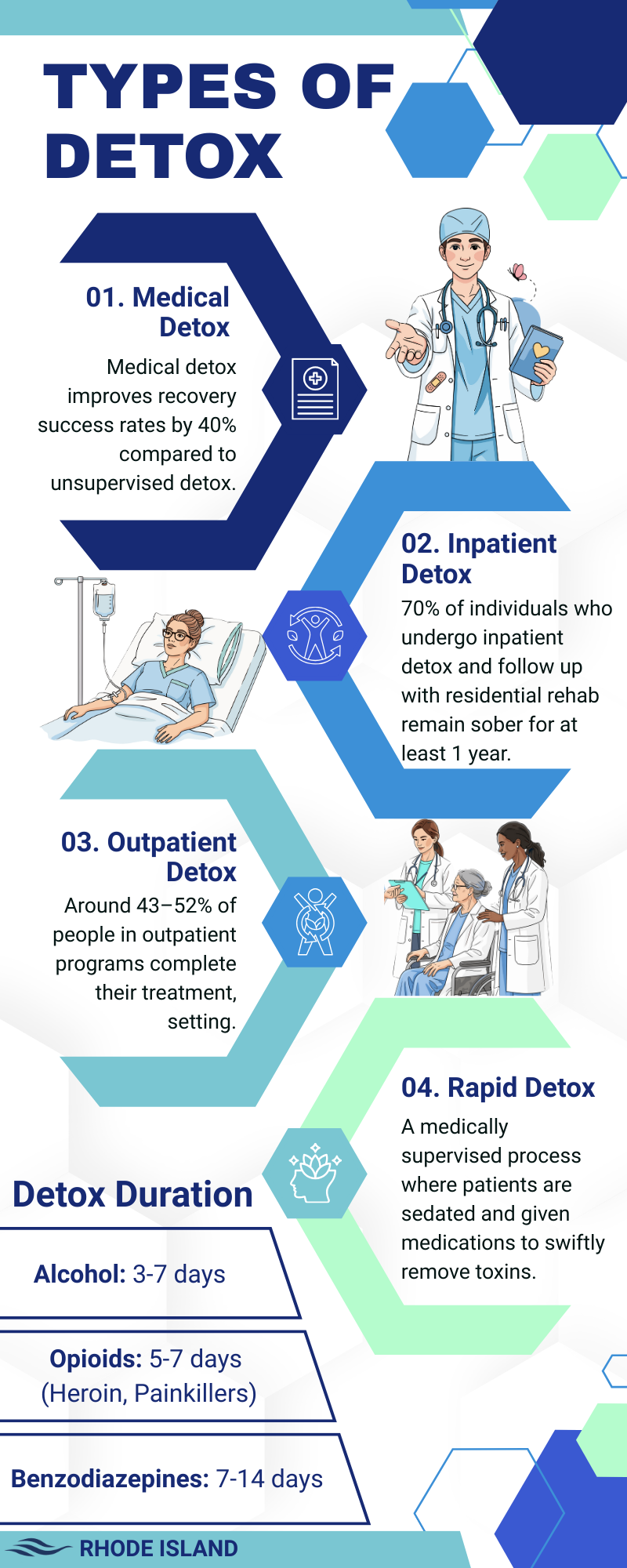
We must contrast the chaos of a bedroom detox with the safety of a structured clinical facility. Medical detox centers provide round-the-clock nursing care to monitor your vital signs and prevent sudden medical emergencies. You are never left alone to suffer through the most dangerous stages of early sobriety.
Clinical staff utilize FDA-approved tapering medications to stabilize your nervous system and safely control your blood pressure. These specific interventions eliminate the most severe withdrawal symptoms and protect your heart. This medical protocol allows your body to transition safely away from chemical dependency.
Removing the threat of unbearable pain allows the patient to rest and hydrate properly. This structured medical environment provides the exact physical safety required to begin the recovery journey.
Clearing the System to Prepare for True Therapy
It is crucial to understand the actual clinical purpose of detoxification. Medical detox does not cure the underlying addiction. It merely clears the physical baseline so your brain can begin the real work of behavioral recovery.
An individual cannot process deep psychological trauma if they are actively going through physical withdrawal. A brain trapped in a cycle of acute sickness cannot engage its prefrontal cortex to learn effective distress tolerance skills. Medical stabilization serves as the mandatory prerequisite for engaging in authentic psychological healing.
Once the toxic substances leave the bloodstream, the cognitive fog begins to lift. The patient regains the mental bandwidth required to participate in complex therapeutic modalities.
Also Read: Fentanyl Test Strips and Harm Reduction in Rhode Island: What You Need to Know
The Crucial Next Step: Outpatient Care at RIATC in Warwick
Bridging the Gap with PHP and IOP Models
The day after a patient leaves detox is the highest risk period of their entire recovery. Returning to the exact same home environment without robust clinical support is a direct recipe for relapse. You need an immediate safety net to protect your fragile early sobriety.
Stepping down into our Partial Hospitalization Program or Intensive Outpatient Program provides the necessary daily clinical structure. These models keep patients anchored while they navigate the unique triggers of their local Rhode Island community. We provide the clinical density of residential rehab while allowing you to sleep in your own bed.
Protecting your natural circadian rhythm accelerates the neurological repair process. You get to practice your new emotional regulation skills in the real world while supported by our staff.
Continuing Care with Medication-Assisted Treatment (MAT)
Our medical integration ensures you remain physically comfortable long after the initial detox ends. Rhode Island Addiction Treatment Centers takes over your ongoing care utilizing Medication-Assisted Treatment. We actively intercept the prolonged discomfort of Post-Acute Withdrawal Syndrome.
Continuing on targeted medications like buprenorphine or Vivitrol eliminates post-acute physical cravings. These FDA-approved tools occupy your opioid receptors without producing a dangerous euphoric high. Stabilizing your neurochemistry allows you to focus all your energy on behavioral therapy.
This ongoing psychiatric oversight protects your brain chemistry during the most vulnerable months of early recovery. Our team adjusts your medication protocols in real time to ensure optimal comfort and focus.
Dual Diagnosis Support to Heal the Root Cause
Our master-level clinicians deploy a comprehensive therapeutic approach to treat the entire person. We utilize Cognitive Behavioral Therapy and Dialectical Behavior Therapy to address the underlying depression or PTSD that originally drove the addiction. We treat the mood disorder and the substance use simultaneously.
If you do not heal the root psychological trauma, the brain will eventually seek out a new chemical buffer. Dual diagnosis care ensures the patient no longer needs to self-medicate their emotional pain. We equip you with permanent coping skills for lifelong emotional regulation.
Our family-centric approach also repairs the broken trust within the household. We guide your loved ones through communication workshops to build a reliable local support network.
Secure Your Full Continuum of Care Today
Trying to shortcut the recovery process by detoxing at home puts your life in imminent jeopardy. A strategic and medically guided continuum of care provides the only reliable path to permanent freedom. Reach out to the compassionate admissions team at Rhode Island Addiction Treatment Centers today.
Our care coordinators will happily guide you toward trusted medical detox partners in Rhode Island and rapidly verify your insurance benefits. We secure your immediate intake into our Warwick outpatient program the very moment you are medically cleared. Contact Rhode Island Addiction Treatment Centers at 110 Jefferson Blvd, Warwick, RI 02888 by calling 888 – 541 – 4028 or visiting rhodeislandaddictiontreatmentcenters.com.