Fentanyl Test Strips and Harm Reduction in Rhode Island: What You Need to Know
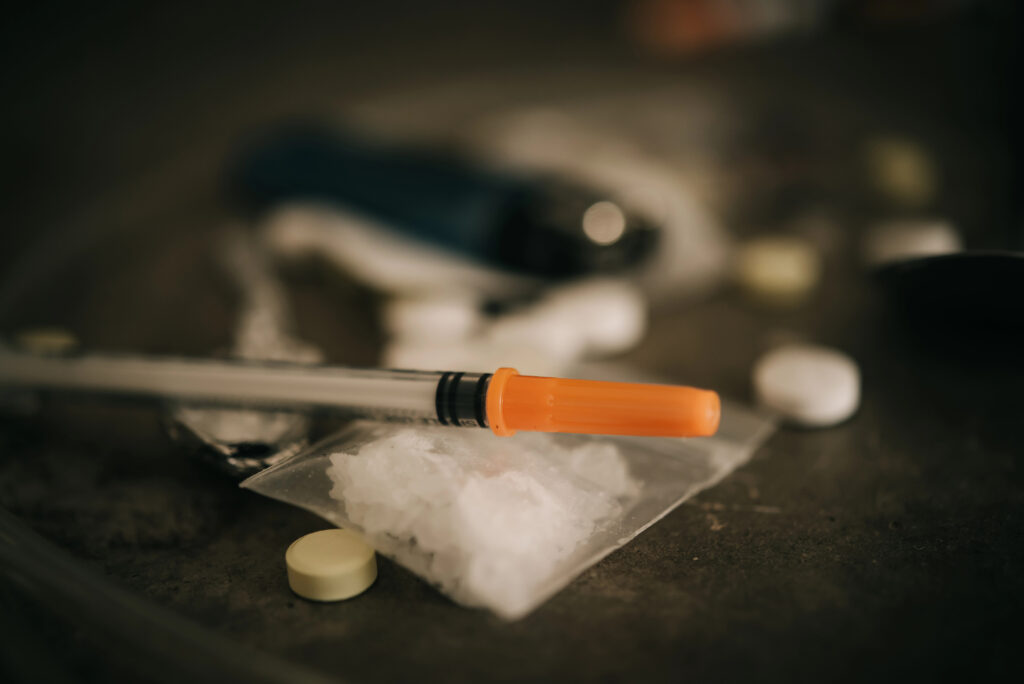
Street drugs are unregulated and illegal, point blank. However, among those drugs, another danger lurks: adulteration. So what happens is that drug makers often mix different substances to increase their potency and euphoric effect. But if someone takes a certain substance thinking it’s only that, but it’s mixed with something else, they’re exposed to an even bigger danger.
Lacing street drugs with fentanyl, a potent opioid, is an alarming threat that can even be life-threatening. For example, if a person has built tolerance for stimulants (such as cocaine) but their substance is mixed with fentanyl, the effect could be risky. Also, if a person wants to quit fentanyl but their lighter version of drugs is adulterated with it, it’ll undo their progress.
Hence, fentanyl test strips exist. These strips can help one check if what they’re consuming has fentanyl, and if the test comes out positive, one can decide accordingly. Keep reading to learn more about these strips and how they can help with harm reduction in Rhode Island.
What are Fentanyl Test Strips?
Fentanyl test strips are small paper strips to detect the presence of fentanyl in a drug sample. They use antibodies that react to fentanyl and some of its close relatives so a user is aware if the recreational drug is adulterated with fentanyl.
Here Is How To Use A Fentanyl Test Strip (FTS):
Dissolve some of the drug in water, dip the strip’s marked end in the solution for 15 seconds, lay it flat, and wait 10 seconds. If the strip shows two lines, the test is negative, and fentanyl is detected. But if there is one line, there is fentanyl in the tested drug, and you must act accordingly.
But this is the general procedure, and testing steps might differ by brand, so always follow the package instructions. That said, these strips only show the presence of fentanyl and not its quantity; even if the result is positive, you still don’t know how strong a sample is. Likewise, a negative result doesn’t always guarantee safety because fentanyl can be spread unevenly through a batch; one tested might come clean and another wouldn’t.
The Impact of Fentanyl Test Strips in Harm Reduction
Since Rhode Island is hyper-focused on saving people from illegal and dangerous drugs, fentanyl test strips are also widely used in the state. Your healthcare provider or hospital staff might hand you these during addiction treatment so you can avoid using unwanted substances.
Here are some proven ways that these strips help with harm reduction:
Detecting Fentanyl
Fentanyl is a synthetic opioid far stronger than heroin or morphine. It also has no smell, taste, or color, and is hard to spot. Moreover, it’s also often mixed into other drugs, sometimes without the seller knowing, so consuming it unknowingly is possible. Luckily, a strip tests a water sample to help reduce this risk and brings the adulteration to light.
Safer Choices After a Positive Result
Addiction treatment experts say that a positive strip can change a person’s next step. For example, they might use less or throw the drug away because the test proves to be a barrier point. Similarly, someone might decide not to use the drug in a rowdy manner and keep naloxone within reach. But whatever they do, these steps surely lower the chance that an overdose turns fatal.
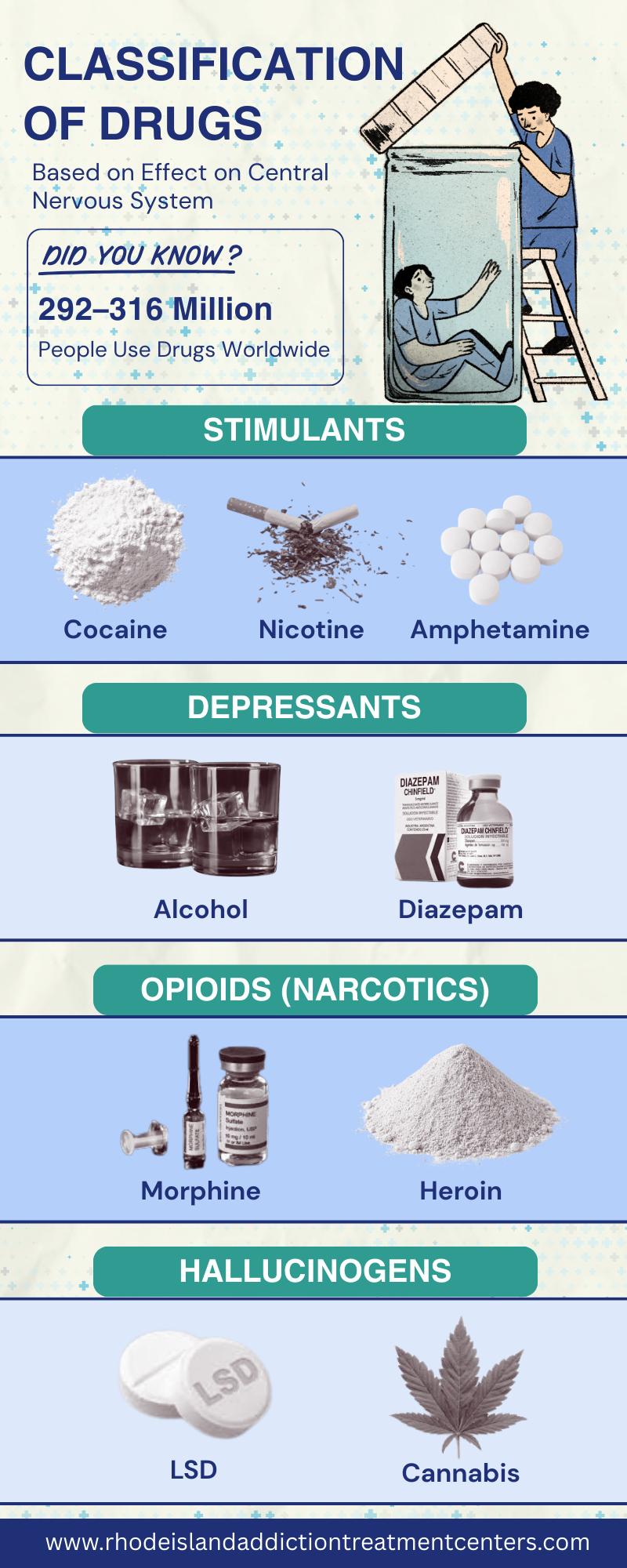
Moreover, fentanyl has turned up in cocaine, methamphetamine, and counterfeit pills made to look like prescription medication. While all of these are dangerous, people who take these drugs might not have tolerance to opioids, and even a small amount can cause an overdose. Therefore, experts recommend using strips if you’re getting something from an unverified source.
A Link to Naloxone and Services
Drug harm reduction programs, outreach teams, and health departments sometimes hand out FTS to control substance abuse. But besides these strips, they also equip you with other tools.
For instance, Naloxone, often sold as Narcan, is a medicine that reverses an opioid overdose by blocking the drug’s effect. Hence, the treatment center’s staff show people how to spot an overdose and give them Naloxone, because it can be life-saving. They also share information on treatment, counseling, and basic health care when the person is ready. Needless to say, a quick stop for test strips can mean more support than before.
Low Cost and Easy Use
Fentanyl test strips are cheap, and many programs give them out for free. Plus, the process takes only minutes; you dissolve the drug in water, dip the strip, and read the result shortly after. The FTS package also comes with instructions, and you don’t need any lab or special equipment. Surely, this simplicity lets community programs distribute large numbers of strips and keeps the tool within reach of those who would never visit a clinic for testing.
Reducing Overdose Risk
Fentanyl is a leading driver of overdose deaths in the United States. And sadly, many of those deaths involve people who may not have known it was in what they took because of a lack of regulation. Luckily, test strips remove that unknown part so you’re aware of the drug’s constituents.
But as explained earlier, a strip only shows if fentanyl is present and cannot show how much. Plus, a negative result does not guarantee a drug is safe. But if someone uses a certain substance alongside naloxone and other precautions, they can be safer than consuming street drugs without a check.
Make Use of Helpful Tools
Fentanyl strips can make the hidden risk visible and help you decide smartly, so take help from them. If you want to start addiction treatment or are in active recovery, checking what you’re consuming is non-negotiable because it makes the base layer of a sober life. To make your sober life an achievable reality, reach out to Rhode Island Addiction Treatment Centers; we get how hard it is.
Also Read: Does Rhode Island Medicaid Cover Suboxone Treatment?